
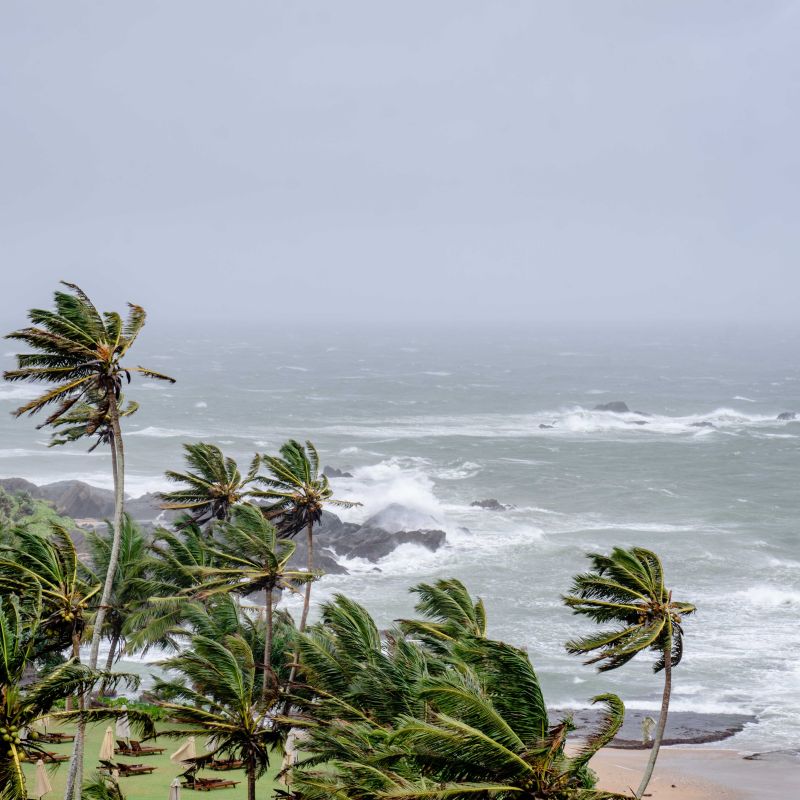
Over the last few years, I’ve started to analyze the weather forecast and season before planning trips.
Videos by TravelAwaits
That probably seems obvious. Weather informs many factors of trip planning, from packing lists to viable hikes to boat tours. The more carefully we consider weather during our trip, the more set we are for a successful, satisfying experience.
Weather can also steer how we plan trips. For example, you might take the risk of buying cruise tickets during hurricane season because they’re much cheaper. The same goes for a resort stay in the Riviera Maya. By accepting the possibility of rain showers or cloudy days, or even heat waves, you can save money on room rates, car rentals, tours, and more.
So, what types of weather events should you have in mind? After all, weather is specific to regions, and weather patterns are often seasonal. There’s a lot to consider throughout the calendar year.
Consider this your guide to the most common weather patterns that affect travel. Remember: You can often save by booking during the low season, which often coincides with poor(er) weather, but those savings won’t mean much if you can’t actually enjoy your trip.
You need to toe the line. Here’s what to consider.
Just a note: Heat waves have become so prevalent during the summer months that I’m not listing them below. Just know that planning summer trips to warm regions will put you in the crosshairs of increasingly common heat waves, especially in places like Europe and Australia.
Impactful weather patterns that affect travel
Hurricanes
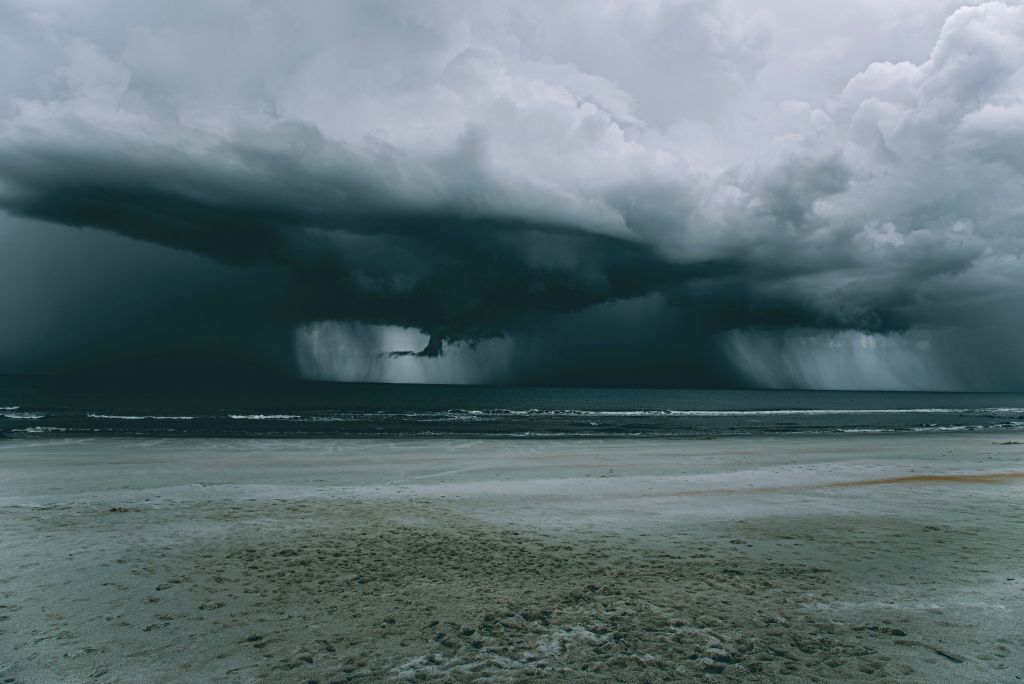
- Which regions are affected? The Caribbean, including Mexico’s Gulf Coast. But hurricanes come from the Atlantic Ocean, so they can also affect the East Coast of the United States from time to time, like 2025’s Tropical Storm Chantal. On the flip side, they don’t usually reach the South American coast where islands like Aruba, Bonaire, and Curaçao are located.
- When is peak hurricane season? June through November, with peaks in August and September.
- What do travelers need to know? If you’re visiting the Caribbean, including on a cruise, opt for travel insurance that covers cancellations and delays caused by hurricanes. However, if you’re heading out of the hurricane belt to the ABC islands, for example, you probably don’t need it.
Monsoons
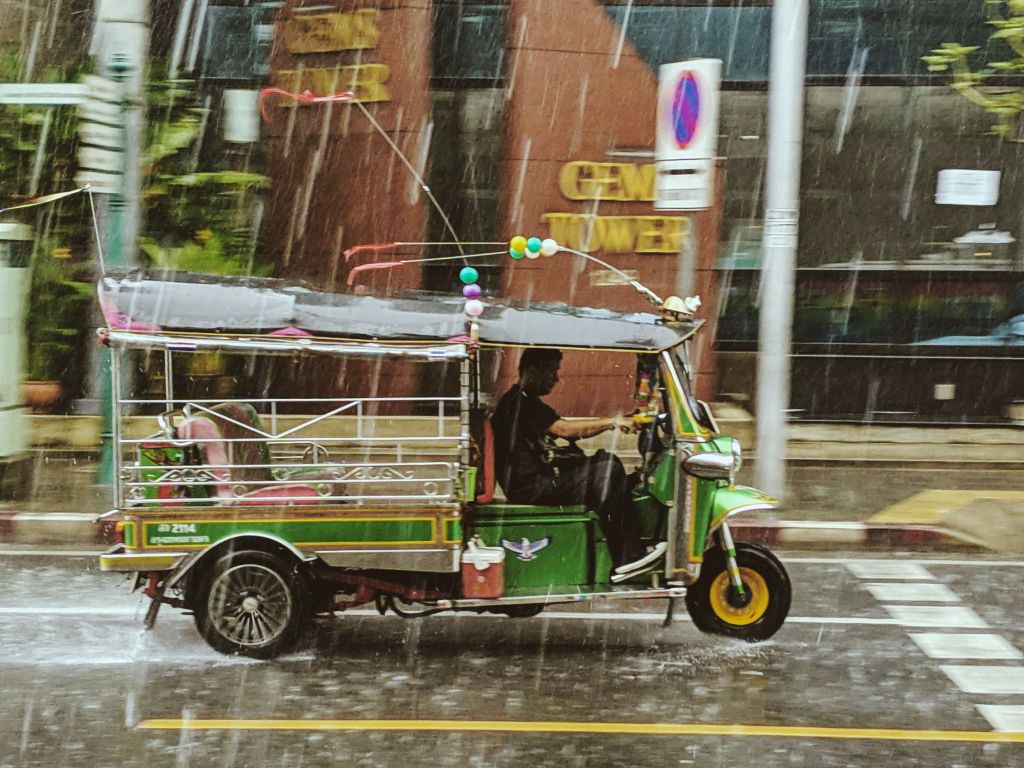
- Which regions are affected? Any region that experiences seasonal wind reversals has a dry and a wet season. Wet season = monsoon season, when rain showers and thunder storms pass through daily. Travel destinations with monsoon seasons include Latin America (Costa Rica, Panama, etc), Southeast Asia (Thailand, Vietnam, etc.), and South America (Brazil, Colombia, etc.).
- When is peak monsoon season? In Latin America, monsoon season runs from June to August; in South America, monsoon season runs from December to February; and in Southeast Asia, monsoon season runs from May to October, peaking in July and August.
- What do travelers need to know? You don’t need to avoid monsoon season if you’re okay with packing for the rain. Also, I highly recommend looking into regional monsoon data—even within a country, areas might experience different monsoon seasons, rain warnings, and more.
Sargassum
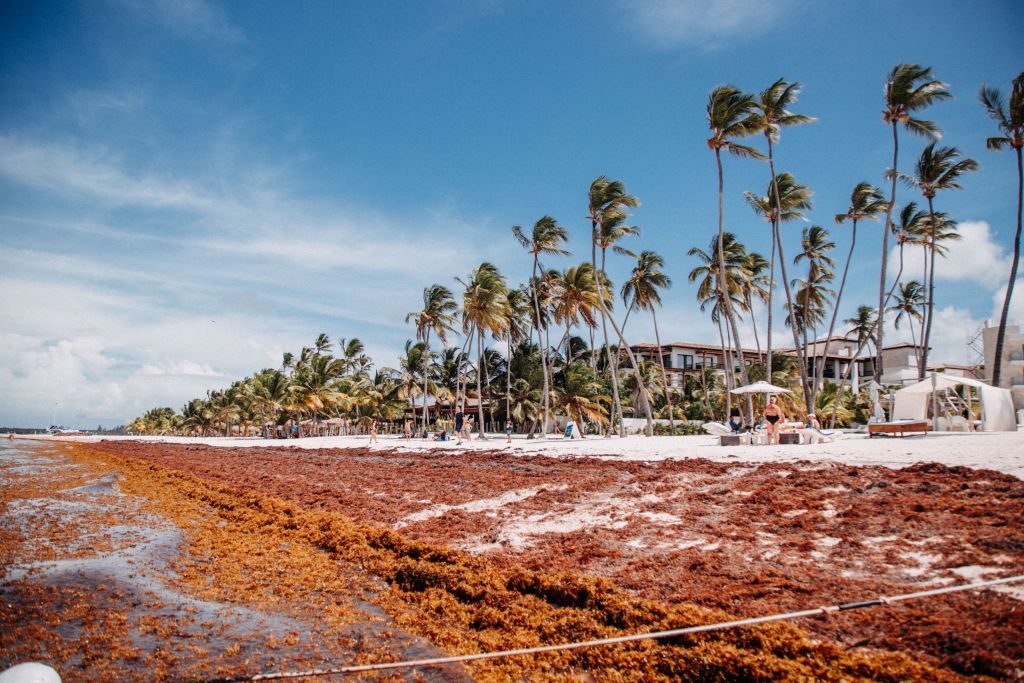
- Which regions are affected? Sargassum forms in the Atlantic Ocean, both in the north and off the west coast of Africa. It drifts west before laying claim to the beaches of the Caribbean, including up to Florida and west to the Riviera Maya. Importantly, just like hurricane season doesn’t touch the southern stretch of the Caribbean, some areas are less likely to get sargassum. That includes beautiful Jamaica and the ABC islands.
- When is peak sargassum season? Sargassum season runs from March through October, with a peak in June and July. November and February are considered the safest months to avoid sargassum.
- What do travelers need to know? Sargassum blooms are worsening year over year. In some zones, blooms have shown up as early as January. If you want to guarantee a sargassum-free vacation, avoid traveling to the Caribbean and the Riviera Maya from March through October.
Avalanches
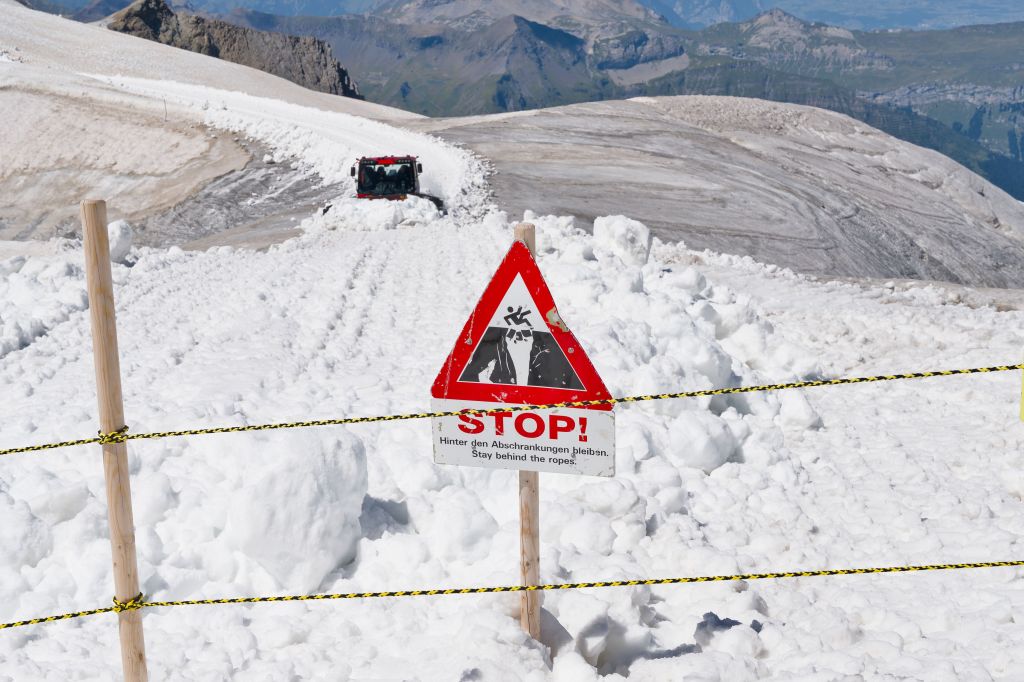
- Which regions are affected? The Rocky Mountains in North America, the Alps in Europe, and the Himalayas in Asia are prone to avalanches. The largest concentration takes place in the European Alps each year. (It’s worth noting that the region has more skiers and snowboarders than others—there could be a confirmation bias at play.)
- When is peak avalanche season? Peak avalanche season in the Rockies runs from February to March, but continues until May further north in Canada; peak avalanche season in the Alps runs from December through May, with higher risks in February and March; and avalanche season in the Himalayas occurs from February to April.
- What do travelers need to know? Climate change is destabilizing snowpacks in mountain ranges around the world, and this year was a record-setting one for European losses. If you regularly ski or snowboard, stay vigilant for signs of an avalanche, like recent storms and shooting cracks. Consider taking an emergency course that teaches you how to respond in case of an emergency, including which gear you’ll need.
Blizzards
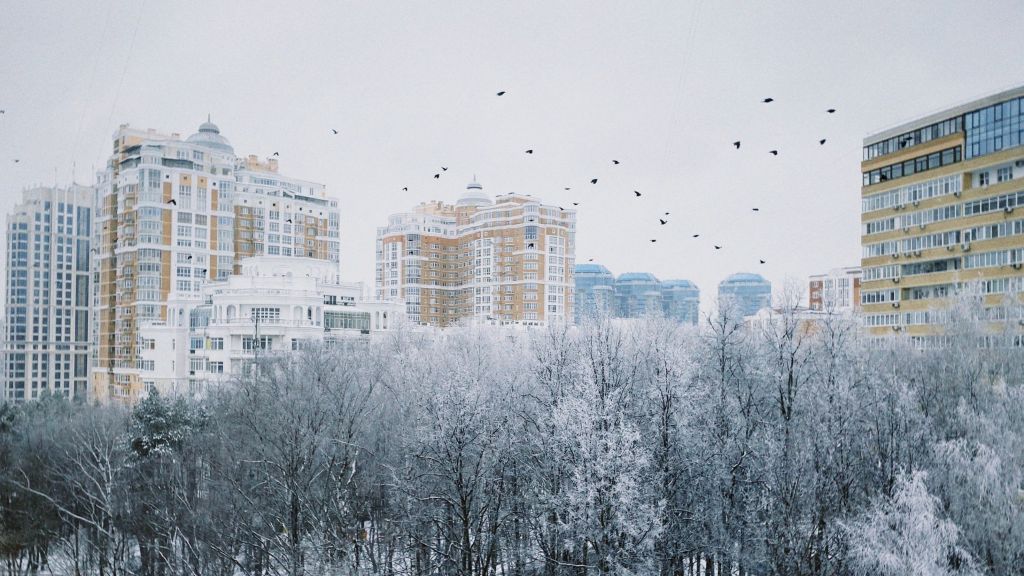
- Which regions are affected? North America, Scandinavia, and Patagonia in South America are three popular travel destinations prone to blizzards. Blizzards won’t (usually) affect your trip unless you’re planning to hike outdoors. Instead, they’ll wreak havoc at the airport, causing delays. Plan your flights and road trips accordingly.
- When is peak blizzard season? January and February are peak blizzard season in North America, but they can start as early as December. The same goes for Scandinavia. In Patagonia, powerful storms can blow through at any time, but peak blizzard season runs from June through August.
- What do travelers need to know? Don’t plan to visit a rugged, outdoorsy place like Patagonia during blizzard season—it’ll throw a wrench into your plans. And be mindful of planning airfare in North America and Scandinavia during blizzard season. While both regions are equipped for blizzards, they regularly delay plane travel. Make a few backup plans so you aren’t hung out to dry when you miss a layover due to winter storms, including travel insurance.
Fog
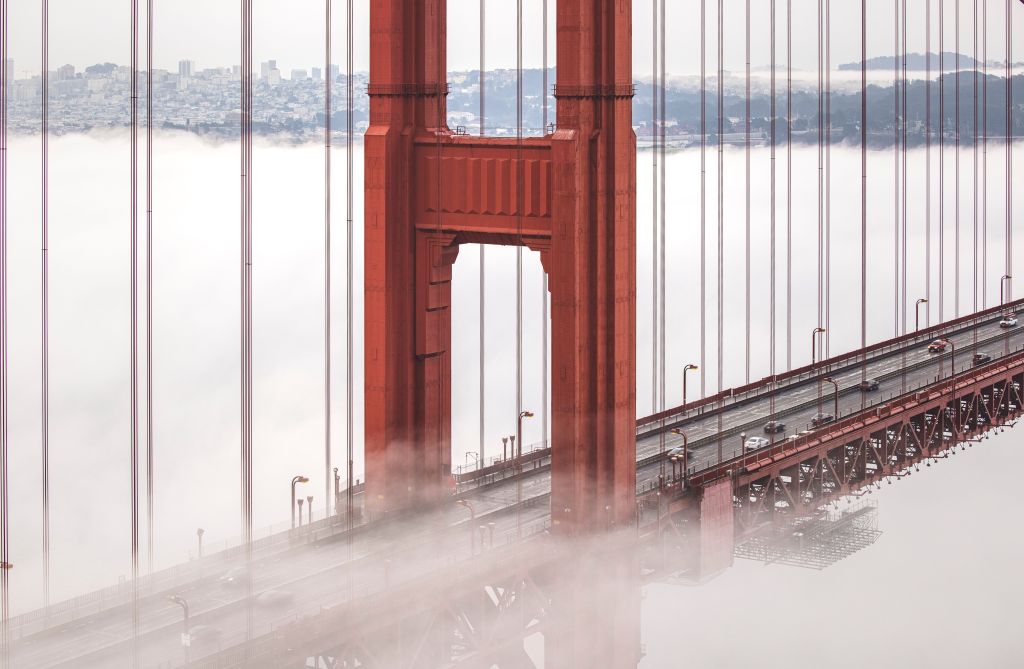
- Which regions are affected? Fog is formed when warm, moist air moves over cool bodies of water. Places like San Francisco and Newfoundland are notorious for their walls of fog. Glencoe, Scotland, is another oft-foggy destination.
- When is peak fog season? Fog more commonly occurs in winter and early spring, but can occur at any time in the year. In San Francisco, for example, fog is most common from May to August. (August is so foggy that some call it ‘Fogust’.)
- What do travelers need to know? Fog doesn’t seem like a huge issue—but it messes with visibility. Nobody likes to stare at world wonders while squinting through gray fog. If you’re visiting a foggy destination, dedicate a few minutes to research daily fog patterns. There’s usually a clear hour or two that you can take advantage of.