
This year, travel industry experts anticipate that American travelers will stick to domestic trips.
Videos by TravelAwaits
That means one thing: It’s time to fall back in love with US destinations and regions that have fallen off your radar or that you never knew about to begin with.
You can take that road trip you’ve been meaning to for years. You can drop off the map for a while, far away from the hustle and bustle of big cities. If you play your cards right, you can even save your travel budget by focusing on US destinations that don’t cost an arm and a leg.
In short, there’s a lot to discover (and rediscover) across the United States. Here are four destinations and regions that travelers don’t give enough love.
US destinations that don’t get enough love
Lake Champlain (VT, NY)
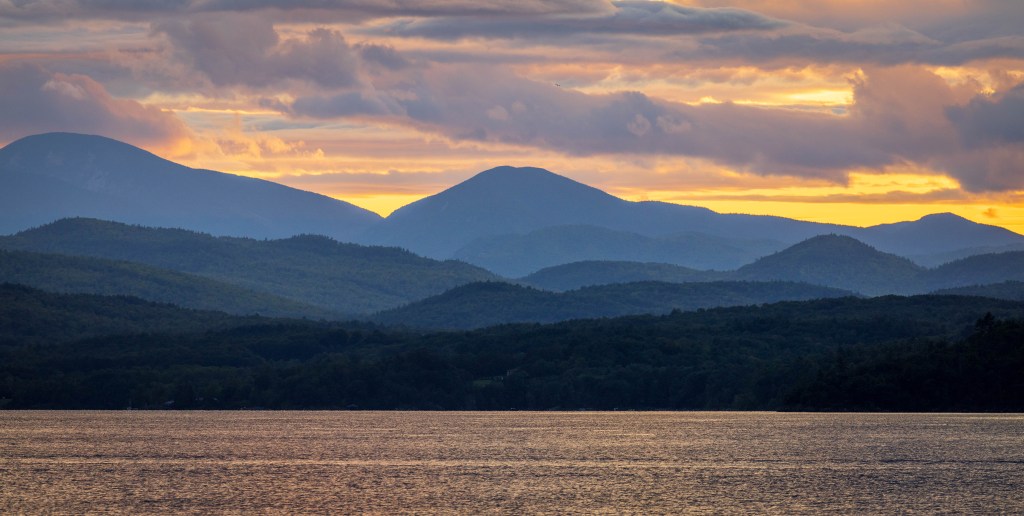
Last year, I had the chance to visit a friend in Shelburne, Vermont, just outside of Burlington. The town is located close to Lake Champlain, a massive freshwater lake that spans over 500 square miles. It’s a well-known quantity to locals throughout New England—especially considering Lake Champlain is rumored to be haunted by a lake-monster named Champ.
Lake Champlain is an idyllic spot for a warm-weather getaway thanks to the adorable small towns around it and their many farmers’ markets. If you’re into boating and watersports, you can find multiple marinas and public launch sites to get out on the water.
If not, you can simply hike around the Champlain Valley and Adirondacks, visit museums that focus on the lake (like Champlain Maritime Museum and the Shelburne Museum), and hole up in one of the area’s lovely Airbnbs or boutique hotels.
Badlands National Park (SD)

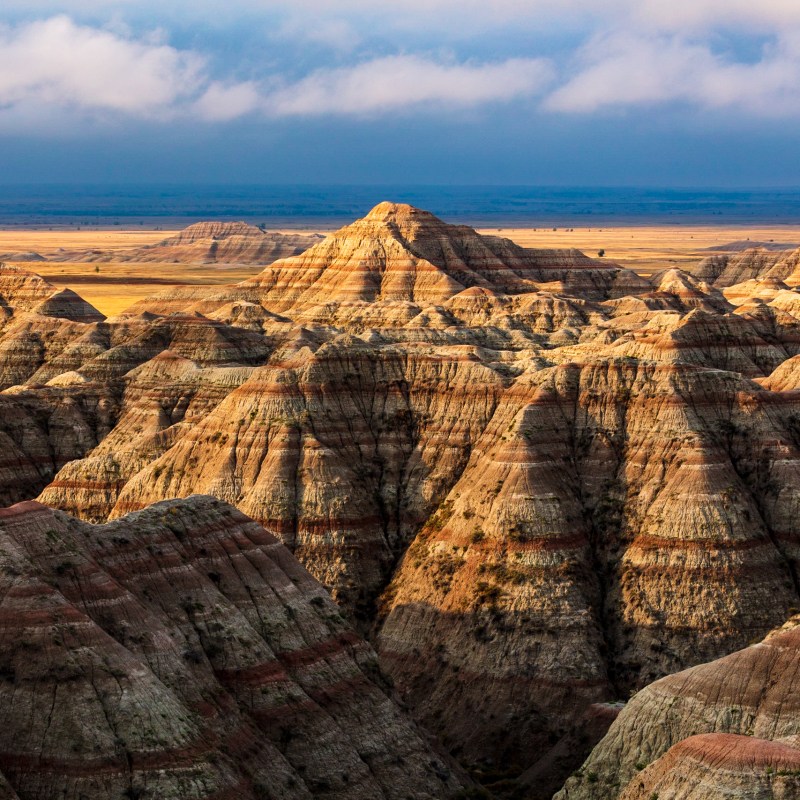
Geologically speaking, badlands are a type of heavily eroded and dry terrain. There’s usually minimal plant life with areas marked by steep drop-offs, ravines, and gullies that form due to infrequent but torrential rains.
In short, the name ‘badlands’ comes from the fact that it’s a ‘bad land’ to traverse. But, much like the canyons of the Southwest, they’re a stirring sight.
Badlands National Park is located in southeastern South Dakota. I encourage you to learn about the area’s history, especially before you visit Mount Rushmore—it’s a point of great contention between the local Oglala Lakota tribe and the US government. But for a casual domestic trip, you can explore the area by visiting the Pinnacles Entrance or the Interior Entrance.
There’s a Badlands Loop Road that will take around five hours or so to complete with stops for views and hiking. Or, if you’re a bit more intrepid, you can camp in the park’s free camping areas around Sage Creek Campground and Cedar Pass Campground.
Torch Lake (MN)
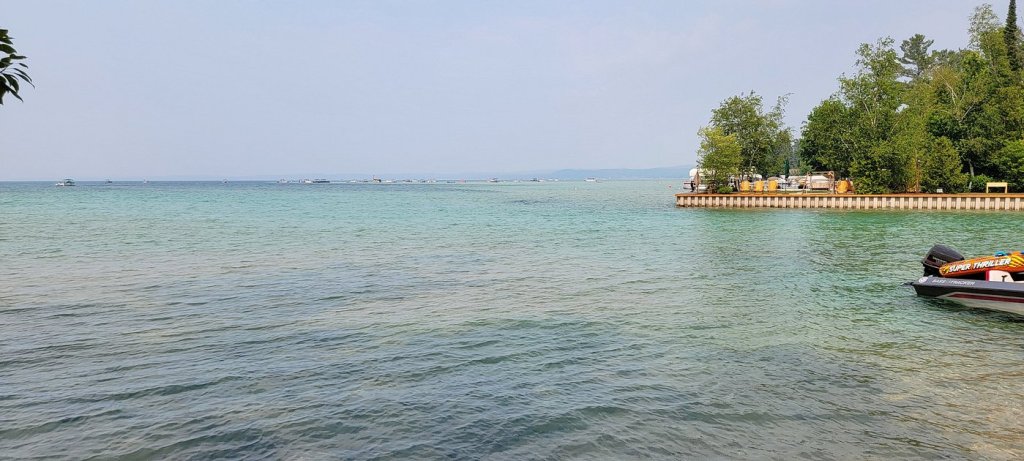
Sometimes called the ‘Caribbean of the North’ for its bright blue waters, Torch Lake is a deep, large lake that runs about 19 miles and covers around 19,000 acres. The waters are clear thanks to the lake’s glacial quartz sediment and low organic content, making them look aglow in certain light.
It’s the perfect spot for fishing, boating, swimming, kayaking, and paddleboarding during the warm months. You can stay in a local campground or hole up in a private rental, if you want. Traverse City is a short drive away, where you can also book a hotel for easier access to dining, shopping, and other entertainment.
Blue Mountains (WA, OR)
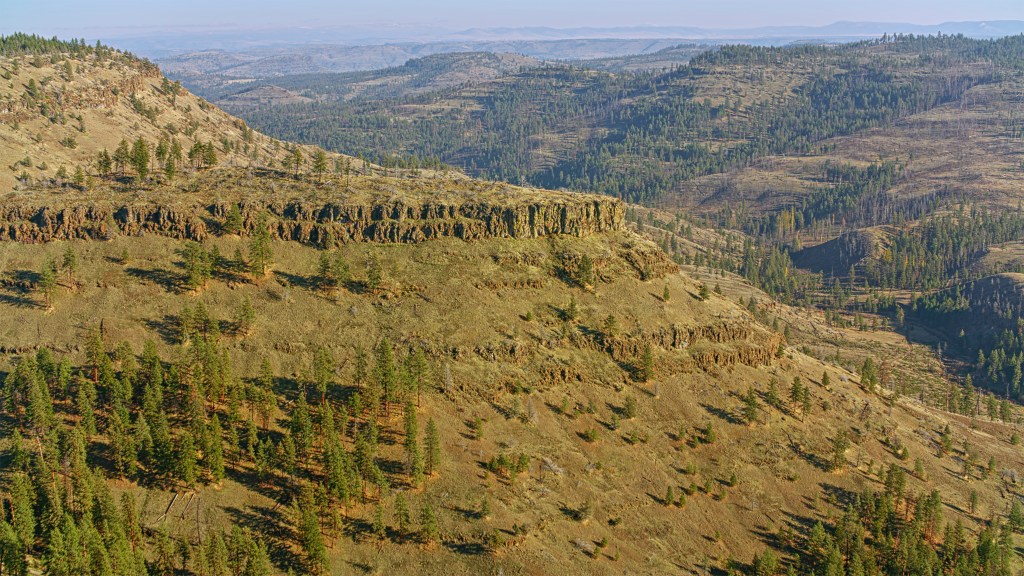
The Blue Mountains are a section of the Cascade Range in southeastern Washington and northeastern Oregon. Most people have heard of the Blue Mountains when visiting WA’s Walla Walla area—they’re located just east of the valley.
You’ll find elk, mule deer, bighorn sheep, moose, and even wolves. (It’s also home to the world’s largest known subterranean mycelial mat, which is a type of mushroom that connects trees and other plant life.)
In short, it’s a rugged area that many people miss. If you’re a mountaineer who wants a fresh adventure or a skier who’s looking for never-before-skied resorts, it’s a prime spot. You can find great hiking in the Umatilla National Forest and the Wenaha-Tucannon Wilderness. Or, if you’re after fresh powder, head to Ski Bluewood in Umatilla National Forest.
Usually, visitors to the Blue Mountains kick off their journey in Dayton, Washington, or, if you’ll be arriving from the south, Baker City, Oregon.
