

Want to know one of the weirder rules that I learned as a young traveler?
Videos by TravelAwaits
Be very careful accepting liquor drinks, especially hooch.
In an absolute worst-case scenario, you might unknowingly be offered homemade liquor (moonshine) that has too much methanol or ethanol. The former will kill you, while the latter can damage your optic nerves and cause permanent or temporary blindness.
That’s a bummer for me because I love a nice drink. (Or twelve.)
That being said, drinking isn’t off-limits for travelers. In fact, I’m a big proponent of sampling alcohol abroad—just like street food, it’s part of local culture. And in some places, like East Asia or Eastern Europe, distillation and brewing are treated as an art, and partaking is viewed as a social requirement. Think: weddings, business gatherings, etc.
Best of all, you might uncover a new, tantalizing drink you haven’t heard of before. (Enter my love of dark, sweet vermouth—a drink I didn’t know existed until I moved to Spain.)
As we raise our glasses to toast to the New Year, let’s take a tour to see what’s in glasses across the globe. Cheers to the most famous alcoholic drinks from around the world that you need to try during your travels. May they find their way into your chalice in 2026.
Famous alcoholic drinks from around the world that you need to try once
Kir Royale (France)
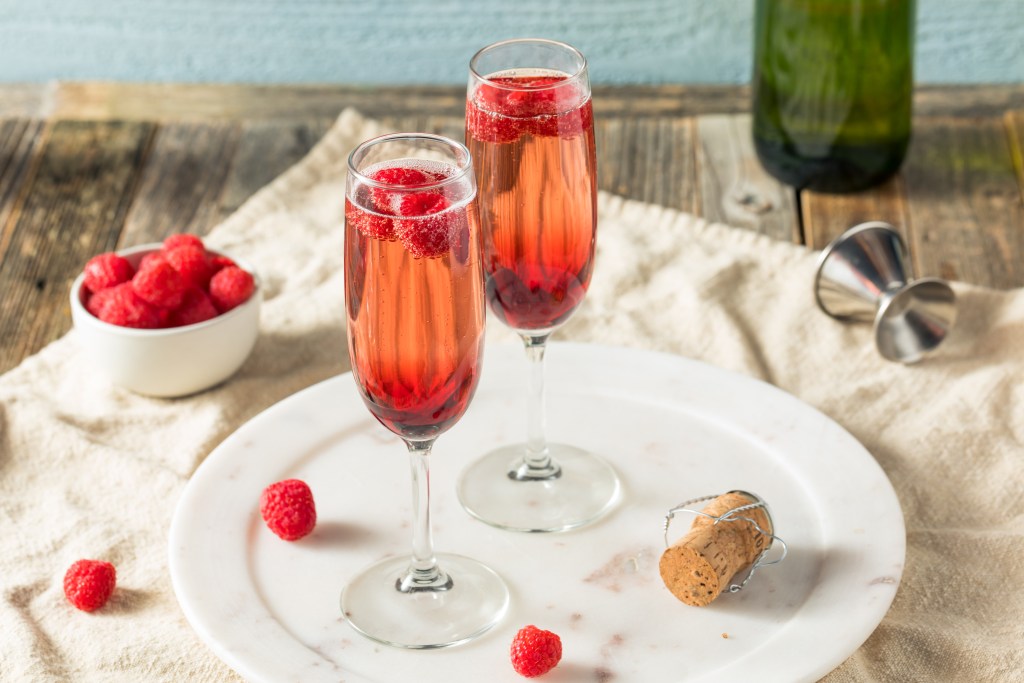
A Kir Royale blends crème de cassis with champagne—a regular Kir uses white wine instead. The magic here is the crème de cassis, which is a thick red liqueur made from black currants. The name comes from Felix Kir, the former mayor of Dijon. He used the Kir cocktail to welcome visiting delegations from around the world, making the Kir Royale a slightly political affair.
Caesar (Canada)
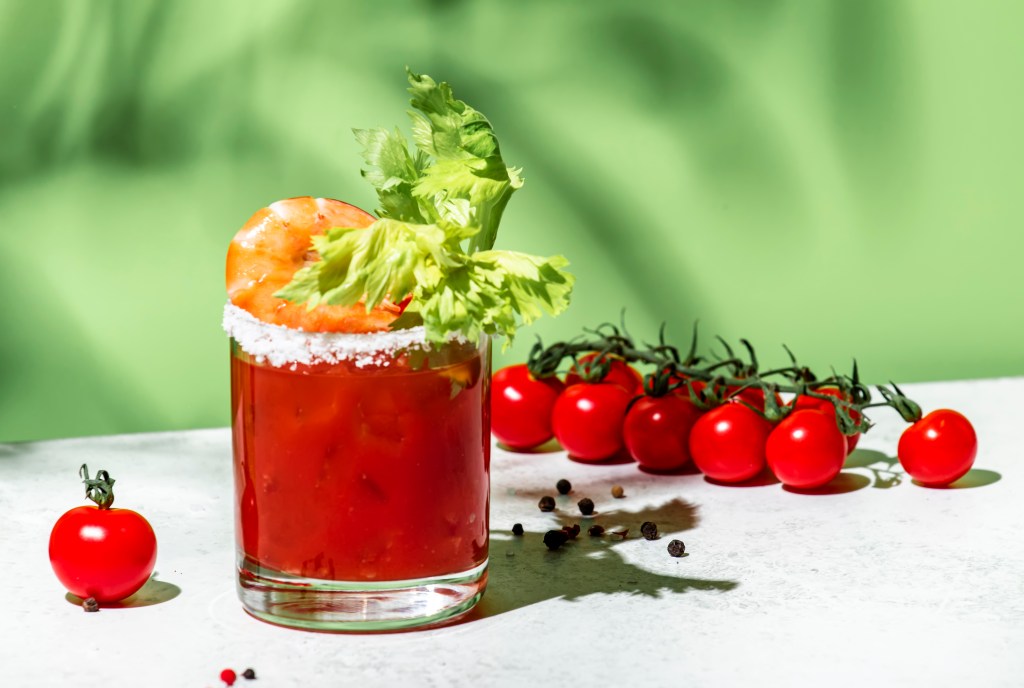
Did you know that Canada has its own twist on the Bloody Mary? (It’s possible I missed out on this due to my suspicion, which borders on contempt, of Bloody Mary cocktails.) The Caesar is made with vodka, tomato juice, and celery salt. It differentiates itself from the Bloody Mary in that it uses clam-tomato juice and is usually topped off with hot sauce and Worcestershire sauce. Like a Michelada, except with vodka.
Fernandito (Argentina)
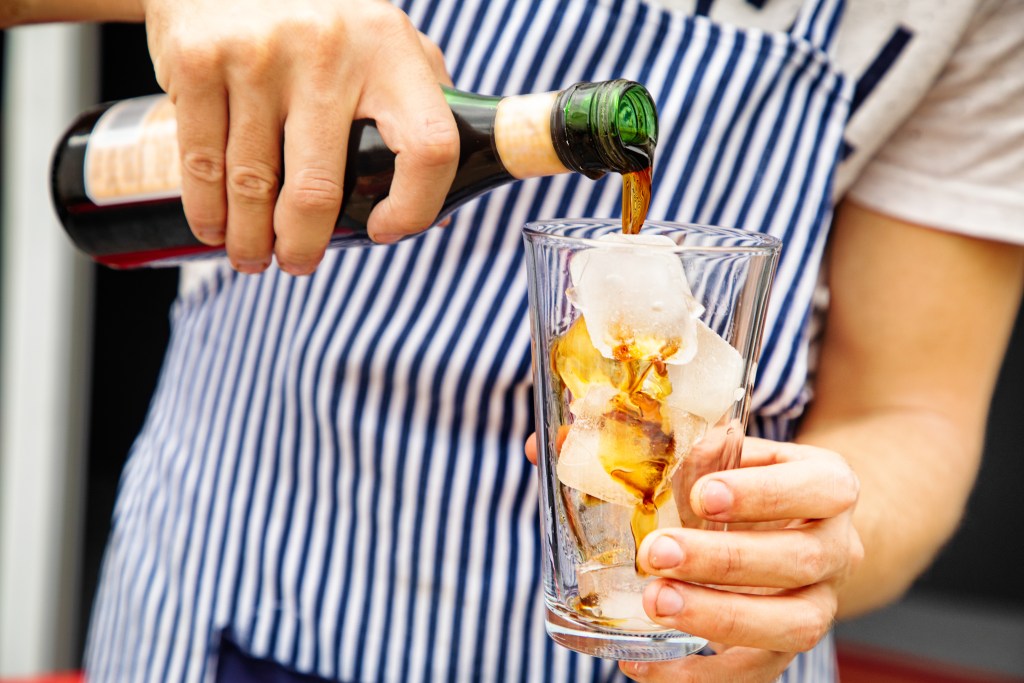
Given its history of Italian immigration, you’re probably not surprised to hear that fernet, a dark and bitter Italian liqueur, has its own Argentinian variation. Fernandito, aka Fernet with Coke, is the preferred way to drink the liquor in Buenos Aires and beyond. Mix three parts fernet with seven parts Coca-Cola, then serve over ice.
Rum Swizzle (Bermuda)

You know those tropical cocktails served with paper umbrellas? The original cocktail served in this style is Bermuda’s Rum Swizzle. In the 1930s, when the drink was popularized, swizzles referred to the disposable straws used to stir drinks. The cocktail includes rum, lemon juice, fruit juices, bitters, and a spiced syrup known as falernum. Grenadine can also be used in its place.
Piscola (Chile)

While the Pisco Sour is often attributed to Peru, Chile sometimes claims the drink. Debates aside, Chile is absolutely the origin of the Piscola. This popular drink blends pisco, which is a strong liquor from South America, with any carbonated cola drink. Mix to your liking, then serve over ice.
Mamajuana (Dominican Republic)

Did you know that the Dominican Republic has its very own version of Port wine? It’s called Mamajuana (or Mama Juana), and it’s sold across the country. Mama Juana is a liquor made from rum, red wine, and honey, which are then blended with herbs.
Those herbs are an important part of the drink, originally used by the native Taino inhabitants of the island. (Told you—sipping on liquor can be cultural!)
Barbancourt (Haiti)
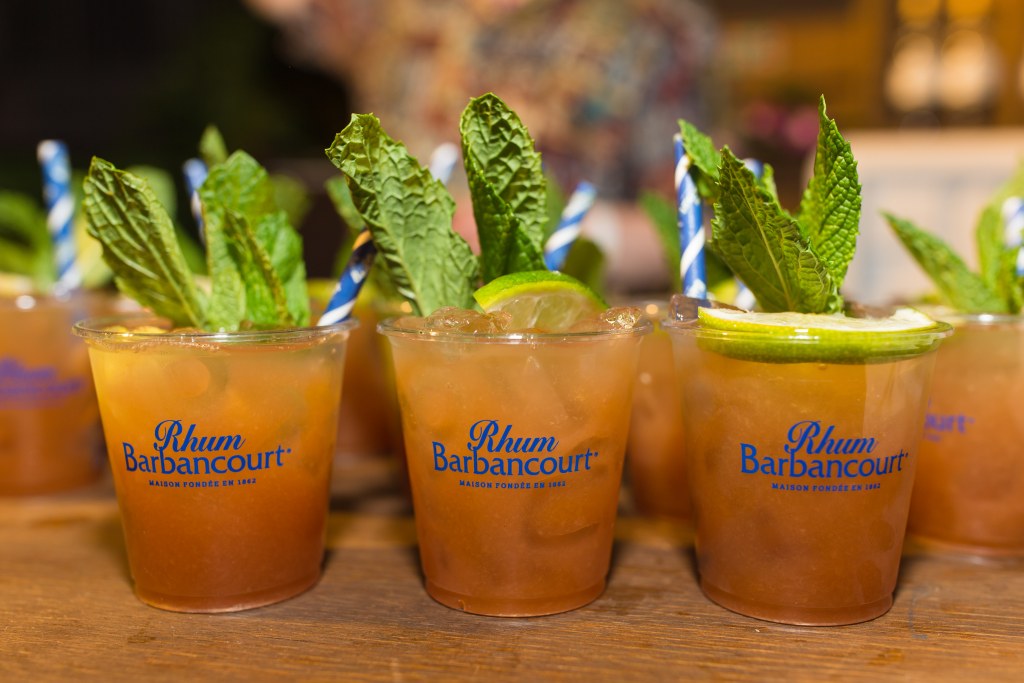
A little geography reminder: Haiti and the Dominican Republic share a Caribbean island, which is called Hispaniola. Both nations have perfected the art of distilling rum, but Haiti’s Barbancourt is often considered the world’s very best. It’s made from 100% pure cane sugar using traditional cognac techniques that the brand’s founder learned about in France.
Tej (Ethiopia)
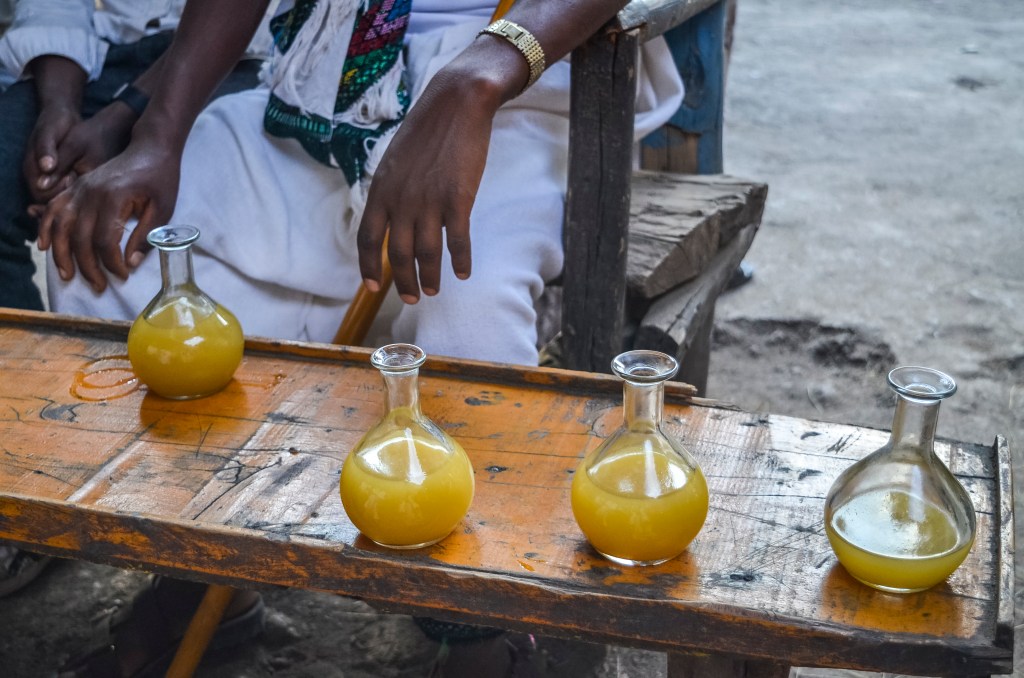
Ethiopia serves a traditional wine made from honey, known as Tej. It’s similar to mead, except that it uses a hops-like plant called gesho to create a slightly sweet fermented drink. It’s got an ABV of around 8-10%, and is drunk in a special way at tej bets, aka bars where locals sip on the honey drink.
Baijiu (China)
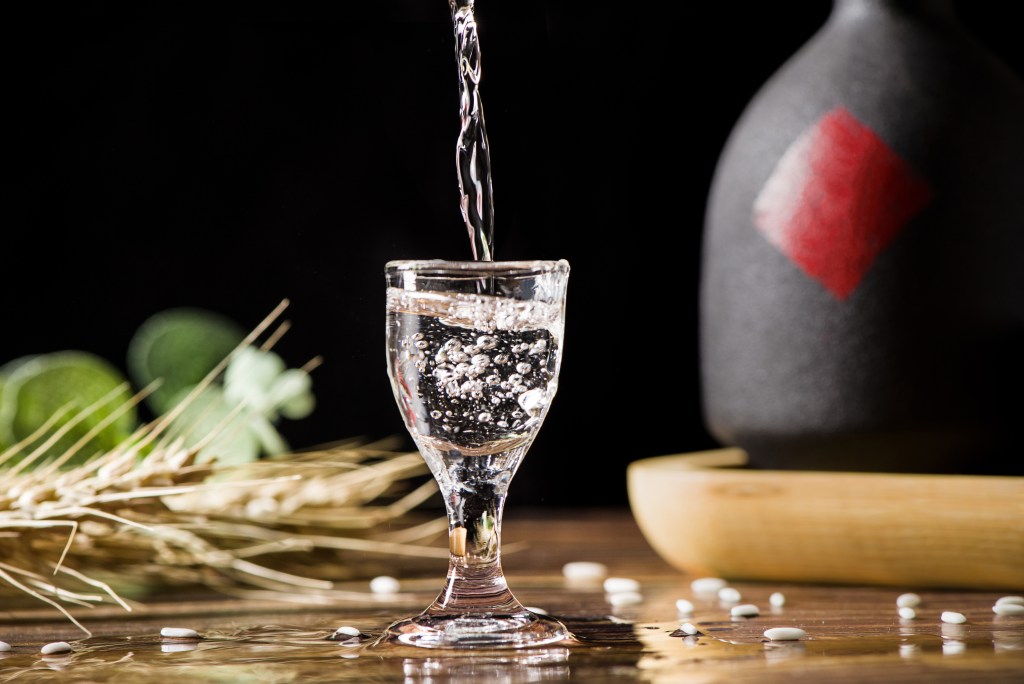
Pronounced ‘bye-joe’, this clear distilled liquor is made from fermented grains like sorghum, wheat, millet, or rice. It’s got a high alcohol content, unique aromas, and differs based on which part of the country it comes from. Some provinces prefer floral baijiu, while others add tropical fruit notes. Just watch out for those ABVs—some are as high as 40%.
Singapore Sling (Singapore)

Born in the Raffles Hotel in Singapore in 1915 as the brainchild of a talented bartender, the Singapore Sling is a gin-based long drink. It was created to look like a fruit juice so that women at the time, who were legally prohibited from drinking alcohol in Singapore, could sip on a cocktail—without giving themselves away.
It’s made with gin, liquor, Grenadine, Cointreau, and fruit juices. It’s one of the brightest, sweetest, and most drinkable alcoholic drinks from around the world.
