
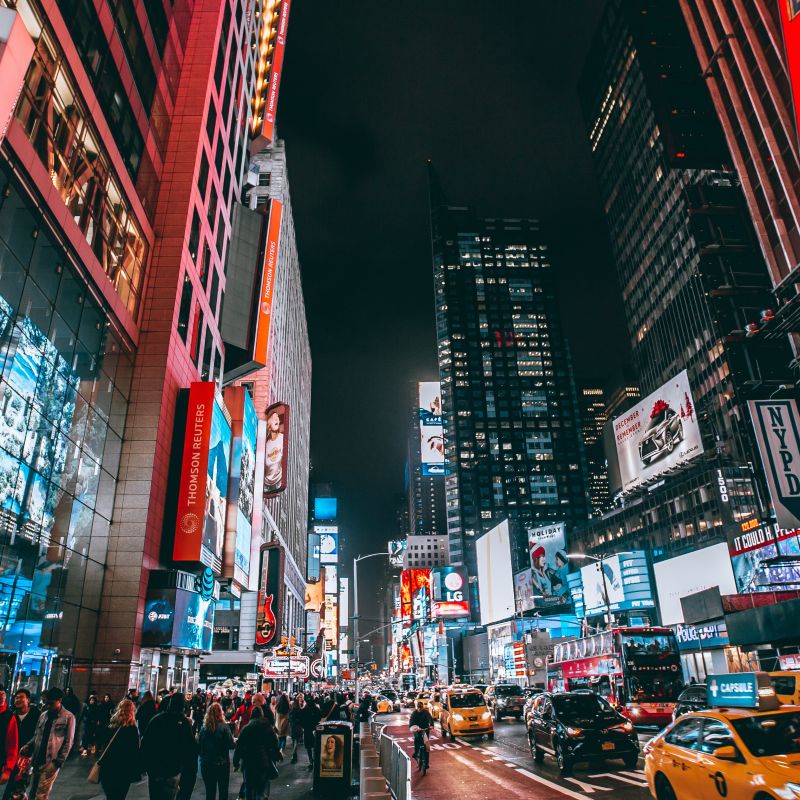
Big cities tend to have a high cost of living compared to smaller towns and rural areas—but that’s not always the case when it comes to travel.
Videos by TravelAwaits
Sure, room rates in hubs like London, New York City, and Hong Kong are higher than what you’d find in a place like Saint Louis, but what about other costs?
Flights, for example, are notoriously cheaper when heading to major cities. The same for transportation, as public options like trains and buses can help you save hundreds over the course of a week-long trip. Even cheap eats aren’t hard to find—locals want reliable, affordable food, too.
In short, figuring out how to budget for trips to big cities is more complicated than many think. While some prices are astronomical, other costs respect a shoestring budget. To keep your finances in order, you need to know what types of unexpected costs and savings to anticipate.
How to budget for trips to big cities: 7 easy tips
Tip #1: Your biggest expenses will be lodging, activities, and dining/drinking
When you start to plan a trip to a big city, funnel your budget toward lodging first, then activities, and then meals. Lodging should be your first focus, as room rates and rental rates in big cities can be truly astronomical. You can and should seek out affordable options if your budget is tight—you can find them even in places like NYC.
After you’ve found a place to stay, I recommend zeroing in on what you want to do while you’re there. Tours, museum tickets, concerts, and so on will also drive up your budget. (More on this below.)
Lastly, consider what you want to spend on meals—and don’t forget to think about alcohol when you draw up your dining budget. A glass of wine or a cocktail at each meal will significantly raise costs, so be honest about how much you plan on drinking when you make plans to visit a big city.
Tip #2: Book activities beforehand to budget wisely—they’re pricey
Most people visit big cities with plans to go on tours, visit museums, and explore popular attractions. From history tours to boating excursions to Christmas markets, these experiences tend to define our impression of a new place. They’re the primary way that we get to know the city, its culture, and its identity.
Here’s my point: you don’t want to skimp on activities and tours. When you go cheap, you’re often in for crowded and rushed experiences, often headed by subpar guides who are busy corralling large groups. It’s worth it to invest in quality tours, whether you’re heading to an art museum or out on a day trip.
Tip #3: You can go cheap on meals with some research
In the first section, I mentioned that you can usually find budget-friendlier mid-range hotels and rentals in many big cities. The same is true when it comes to meals—you can find quality, affordable food in big cities. These restaurants, food trucks, diners, and so on are where locals love to eat.
So, how can you find cheap meals in big cities? The best way is to ask your concierge. They’ve probably fielded a similar question in the past and should be familiar with the area. If you’re booking a private rental, you can ask hosts the same.
However, the best way to find cheap meals is to do the research yourself. You want to avoid tourist-facing restaurants. If you’re in Tokyo, don’t go to the place that’s marketed towards Americans. The food is likely basic, and the prices are probably higher than average. Instead, go to a public forum like Reddit to look into affordable, delicious places to eat in your neighborhood. You can also use Google Maps restaurant searches with the $ price tier.
Here’s another trick that I’ve picked up over the years: some cuisines are cheaper than others. I look for Mexican, Chinese, Vietnamese, and Indian locations, since they usually have reasonable prices, a diverse menu, and daily specials.
Tip #4: You can also go cheap on transportation by using public options
Taxis and Ubers will add up quickly in big cities, especially considering how congested traffic usually is. Unfortunately, in some cities (especially throughout the Americas), public transportation isn’t accessible.
Think: Los Angeles, Cancun, Vancouver. In this case, you need to budget taxi rides and ride-hailing apps early on if you plan on using them as your primary mode of transportation.
If you’re a little more independent and confident at your destination, I recommend looking into public transportation. Most big cities have subway systems, bus routes, and rail trains that you can navigate using Google Maps. The toughest part of getting around with public transportation is figuring out where to get passes and how the passes work. Once again, your concierge is a great resource.
Tip #5: Don’t underestimate the cost of getting from the airport to your hotel or rental
This reminder is important enough to warrant its own section: don’t forget to budget for those costly trips to and from the airport. Even if you plan on booking taxis and Ubers to get around at your destination, you might want to budget even more for airport transportation.
Thankfully, many major airports, including those in the US, now offer trains to and from the city center. If you can manage to get into the city, your rideshare will be significantly cheaper to get to your rental or your hotel.
Tip #6: Mind the scams—including tourist traps
Don’t forget that big cities are where most scams happen, from pickpocketing to overcharging for basic tours. I like to think that most travelers are wary of pickpockets when heading to large cities, but don’t underestimate how many tourist scams you’ll run into. These run a huge gamut, from overcharging in bazaars to hawking fake tickets to high-pressure sales tactics.
Tip #7: Patience pays
Here’s my last piece of advice on how to budget for trips in big cities: patience pays. As Americans, we usually like quick, seamless solutions—and we’re often willing to pay more for them.
For example, if you leave a concert and taxis are limited, you might be tempted to pay high surge pricing to get back to your hotel quickly. Or if a flight gets canceled at the last minute, you might automatically buy a new one without giving the airline time to reschedule you and offer a new solution.
Ultimately, you decide what’s possible for your budget (and sanity). But keep in mind that waiting and being patient can mean the difference between saving and spending. Impulse decisions will drive up your total travel costs.