
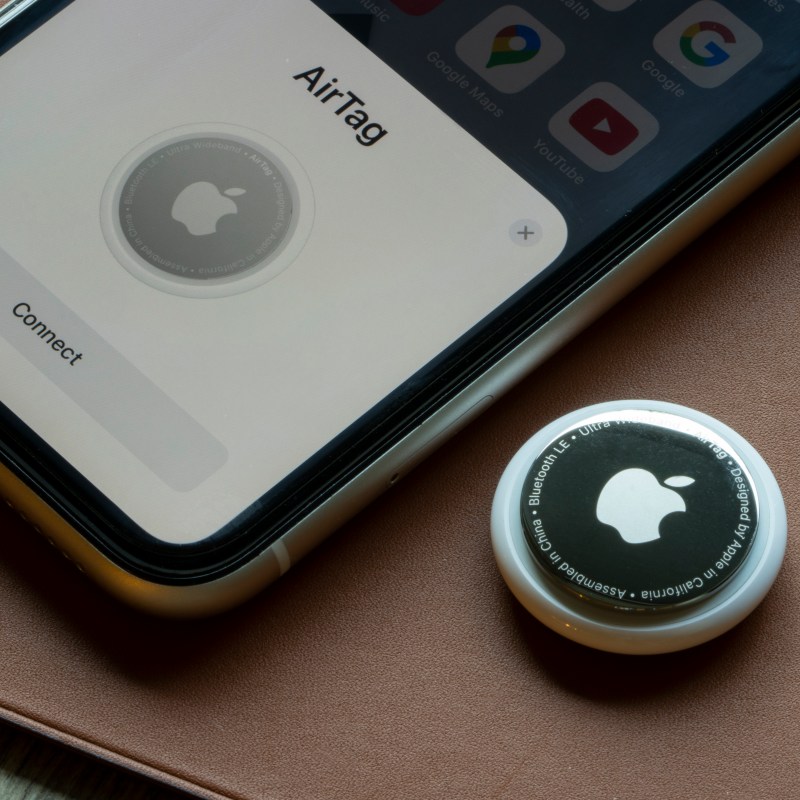
Remote tracking devices like AirTags have made waves with their unique use cases.
Videos by TravelAwaits
At their most basic, popping a tracking device like an AirTag into your bag lets you locate your items if they’re lost. At their most advanced, they can be used to check on luggage that winds up at the wrong airport… possibly on the other side of the planet.
AirTags and other tracking devices use Bluetooth technology for long-distance tracking, along with specialized chips for precise, close-range searches. Despite how complex that technology is, AirTags and alternatives cost around $30.
In short, tracking devices are incredibly helpful when something goes missing—but knowing when and how to use AirTags for travel isn’t as simple as storing one in your luggage tag.
Let’s dive in to explore how you can use this handy, affordable technology to streamline your next big trip. Plus, I’ve included AirTag alternatives in all shapes, sizes, and budgets.
Use cases: how to use AirTags for travel tracking
The most common reason to use AirTags for travel is to help you keep track of your luggage. First, you can put an AirTag (or an alternative tracking tag) in your checked luggage to make sure it’s on track. This is particularly helpful for layovers.
By tracking your checked luggage, you can make sure it gets on the plane with you. If it doesn’t, you know early on instead of finding out after waiting at baggage claim. Or, if you can see that your checked luggage has arrived but just didn’t make it onto the conveyor belt, you can show baggage claim agents where it is.
Lastly, you can also keep AirTags in your carry-on. This prevents any mix-ups with other passengers. Or, alternatively, you can stick an AirTag in your carry-on if you need to check it at the gate unexpectedly.
Aside from tracking luggage, you can use AirTags to keep track of important items and even your fellow travelers. (The appeal for parents traveling with small kids is obvious enough, in my opinion. Just attach one to your child’s shoes, and you can avert disaster in busy places.)
Here are two unique use cases for AirTags for travel:
- Keeping track of important items, like passports, laptop cases, or jewelry cases
- Added security for friends who are going out at night or are dating, from pub crawl tours to first dates with strangers you meet on the journey
- Realizing you’ve left something behind before you leave the premises, as many AirTag alternatives also have ‘left-behind alerts’
Best AirTag alternatives to add to your travel arsenal
If you have an iPhone and are an across-the-board Apple user, I recommend buying AirTags directly from Apple. If not, check out the other alternatives listed below. The RhinoKey (listed last) stands out because it’s shaped like a credit card, meaning you can stick it in your wallet.
- For Apple users: Apple AirTag ($29-99)
- For Android users: Samsung Galaxy SmartTag2 ($29)
- For Apple or Android: Chipolo Pop ($29)
- For Apple users who want bidirectional tracking: Eufy SmartTrack Link ($19.99)
- For those who want a card version: RhinoKey Smart Card ($39-49)
[Just a heads-up: We may earn an affiliate commission when you make a purchase from a link in our articles.]