
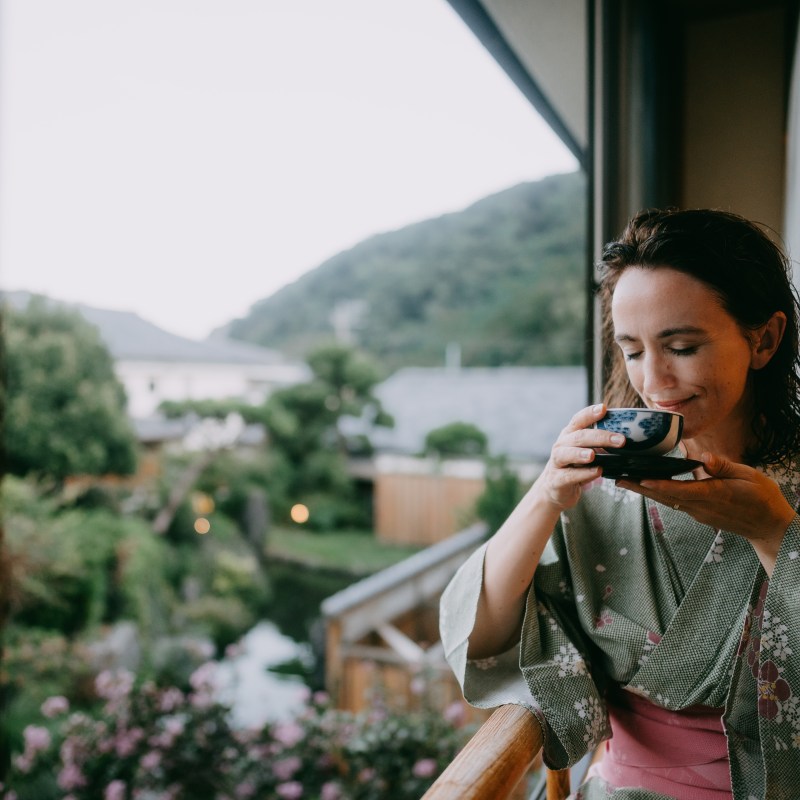
Japan has taken the travel world by storm over the last five years.
Videos by TravelAwaits
And one reason tourists are rebooking trips to Japan is to explore more of its rich, complex culture. From its cuisine to its clothing to its storytelling traditions, there’s something for everyone.
I mean that literally. Regardless of what type of trip you normally gravitate toward, from lazy beach resort stays to rugged hiking adventures, Japan has a cultural class, workshop, or trip that will suit your interests. There are dozens of ways to delve into the country’s fascinating culture, whether you stick to Tokyo or head to a hidden gem like Kanazawa.
Here’s where to start, if you’re short on ideas on what to do in Japan when it comes to cultural classes and workshops.
Cultural classes & workshops in Japan that you’ll remember for years
Below, you can find a list of cultural experiences that you can book as classes, workshops, and tours. You’ll have plenty of options in Tokyo, Kyoto, and Osaka to find and book these experiences.
In smaller cities and towns, options will be more limited—but they might be more specialized, so don’t be afraid to travel outside the main hubs.
Tea Ceremony
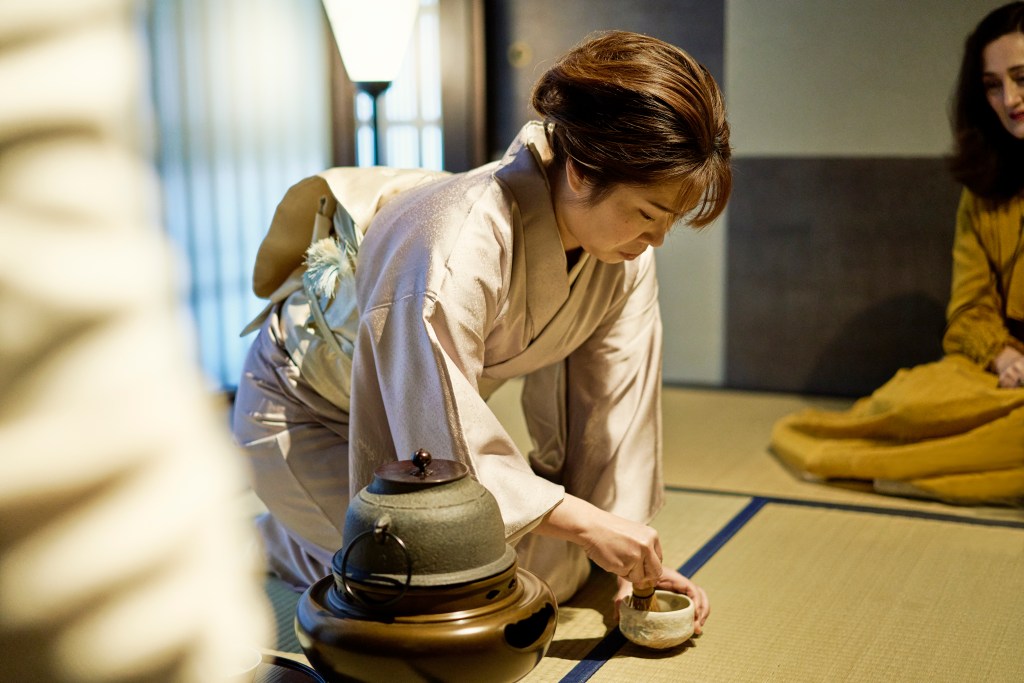
Tea ceremonies are performed by tea masters who have trained for years, if not decades, in the art of etiquette and ritual tea preparation. Most tea masters are either hobbyists or professionals, but some are run by geishas, which usually include special dances and treats. Tea ceremonies often come with kimono fittings for women and kimono plus hakama fittings for men.
Get to know actual geishas
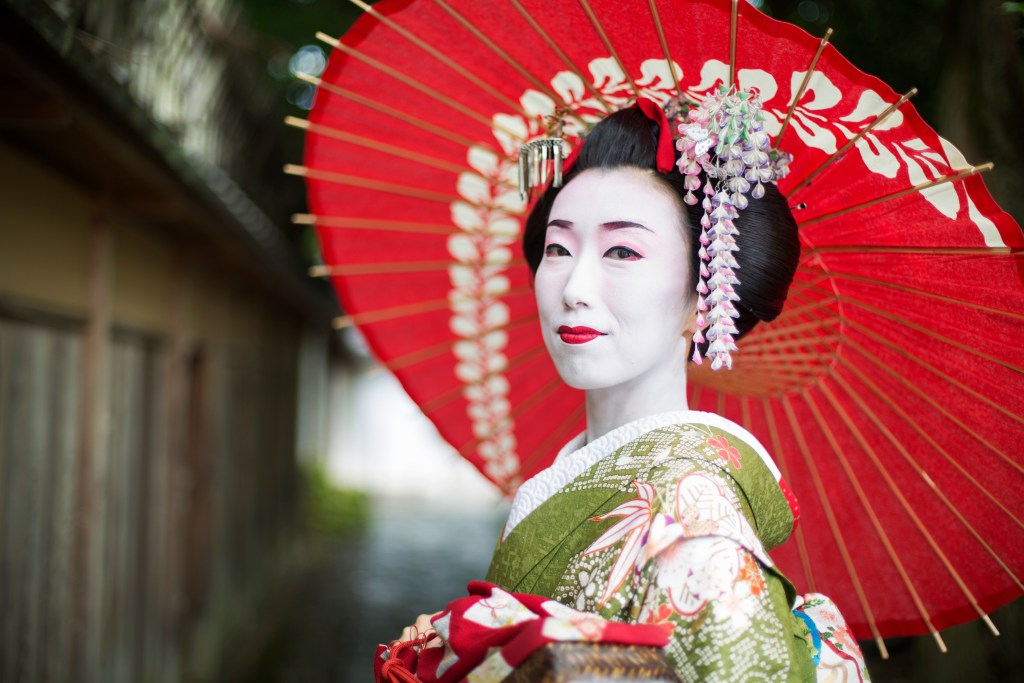
The easiest way for travelers in Japan to get to know Geisha culture, history, and traditions is by booking a tea ceremony (which is led by geishas) or an ozashiki banquet. The former is similar to a standard tea ceremony, except it includes added experiences like traditional dances.
The ozashiki banquet is a traditional gathering in a restaurant where multi-course meals are eaten. In the interim, geishas perform traditional dances, play music on the shamisen, and engage with guests in conversations of wit and warmth. You’ll get to see geisha hospitality and character in full force at an ozashiki banquet.
Learn the basics of Kendo
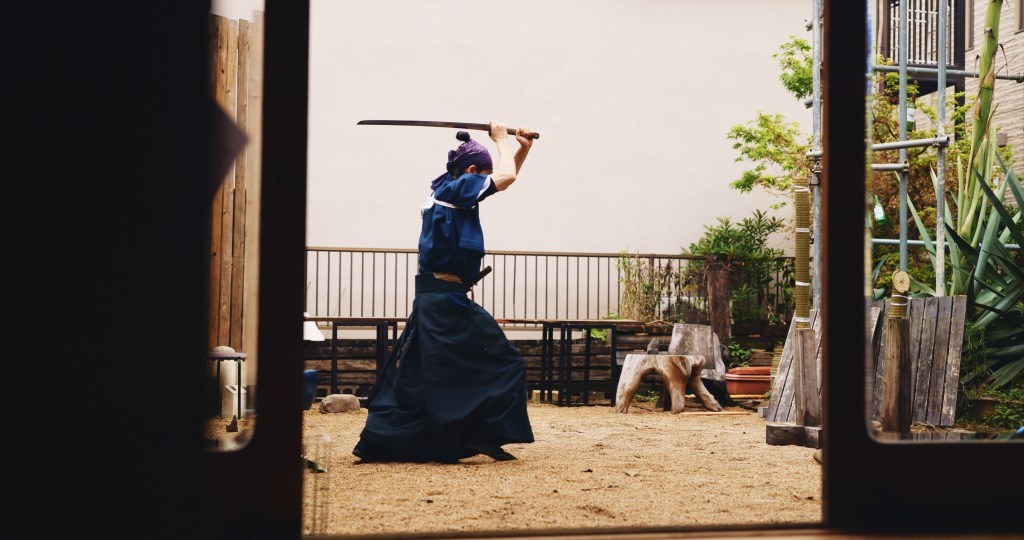
Translated to ‘the way of the sword’, Kendo is Japan’s modern take on swordsmanship—one that descended from the Samurai. It involves learning swordsmanship by using bamboo swords, called shinai, while wearing traditional armor that includes protective ‘pads’ and a helmet. You can book an introductory Kendo experience in any major city.
Attend a sumo match
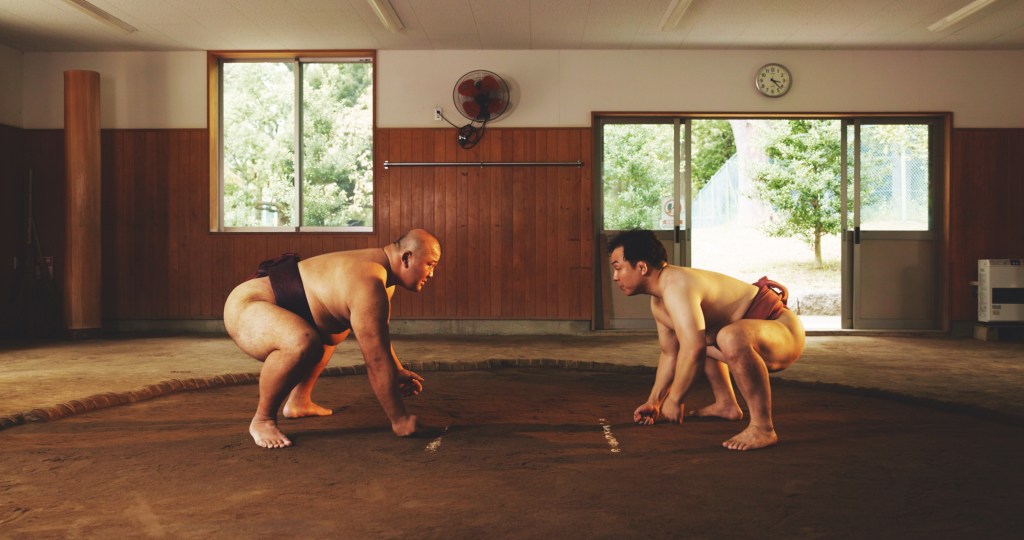
You can observe sumo matches across the country—or even book a tour that includes a ticket to the Grand Sumo tournaments, which take place six times a year in four different venues across the country. If you want to learn about how sumo works and how sumo wrestlers live, I recommend booking a visit to a sumo match with a guide. Of course, you can also go on ‘practice tours’ that take you inside sumo training sessions.
Make beauty with Kintsugi
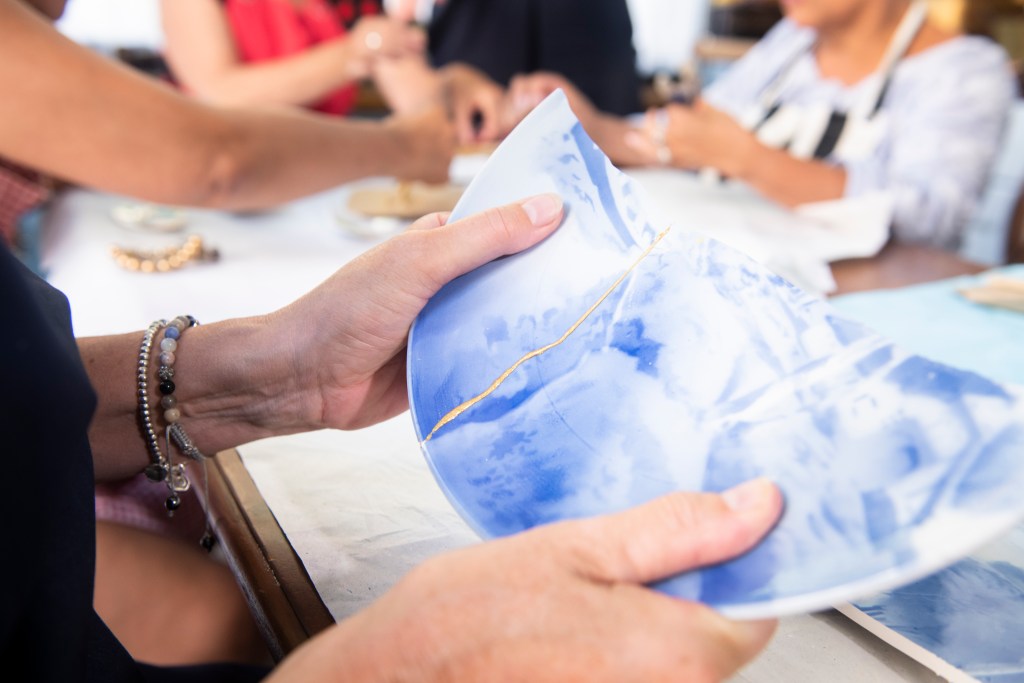
Kintsugi is the art of repairing broken pottery using a metallic lacquer. Instead of gluing the pottery back together, Kintsugi instead highlights the fractures by filling them with gold, silver, or platinum lacquers. While it’s a great skill to learn from a practical standpoint, a Kintsugi class will also teach you a lot about Japanese culture, Zen Buddhism, and the wabi-sabi way.
Practice your Ikebana skills
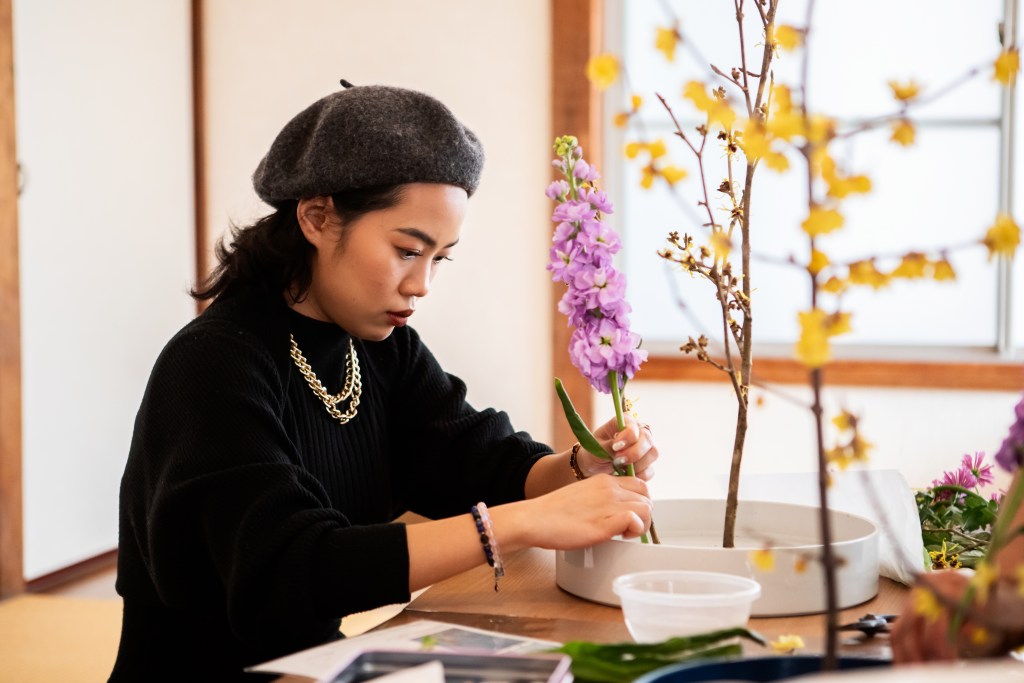
Dubbed ‘the way of flowers’, Ikebana is the art of flower arrangement. Working with flowers involves a balance of minimalism, asymmetry, and grace. In other words, you’ll learn how to transform petals, leaves, and flowers into mini works of art. Like most other cultural classes and workshops in Japan, this course comes with a strong dose of philosophy—mainly revolving around the concept of harmony.
Grab tickets to a Kabuki theatre show

Kabuki is a highly stylized performance art, blending elements of acting, dance, and music. The costumes are highly elaborate and colorful, along with the makeup. If you’ve seen those iconic, dramatic masks painted white and red, that’s an element of Kabuki. Though originally created by women in the early 1600s, Kabuki is performed only by men.
Relax at an onsen
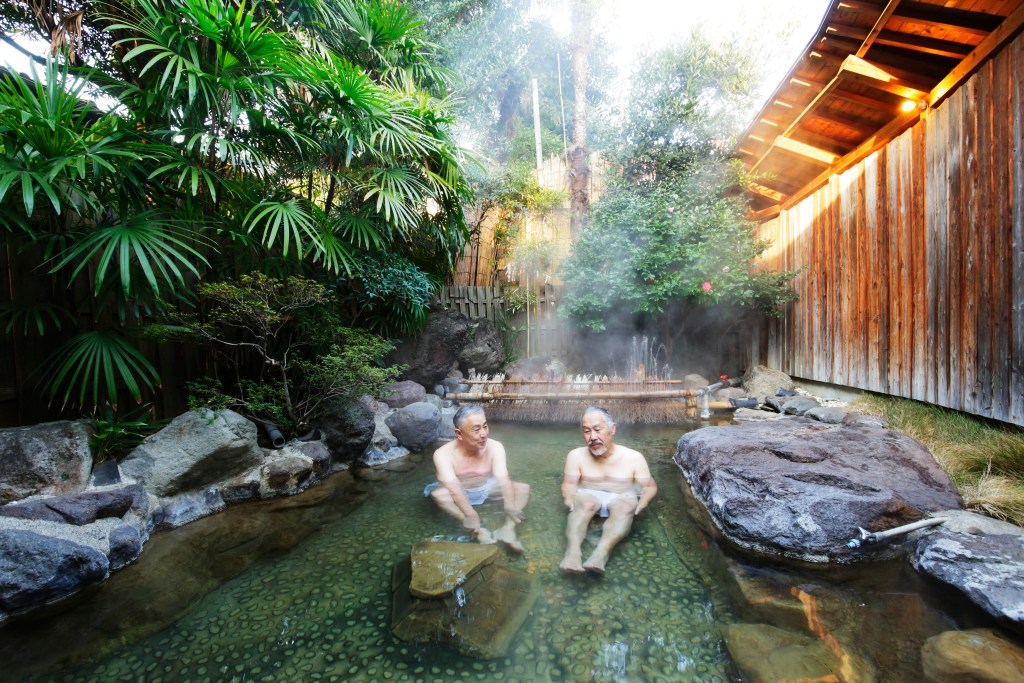
Onsens are hot springs that are at least 77 degrees Fahrenheit. Most are located outside, while some are partly indoors. They’re often found as part of traditional inns, called ryokans. They’re used for healing, religious purposes, and general wellness—even socializing, just like European saunas. If you’re visiting Japan and want to spend time at an onsen, make sure you understand the rules. If you have tattoos, make sure you visit an onsen that allows tattoos.
Get your beach day in Okinawa
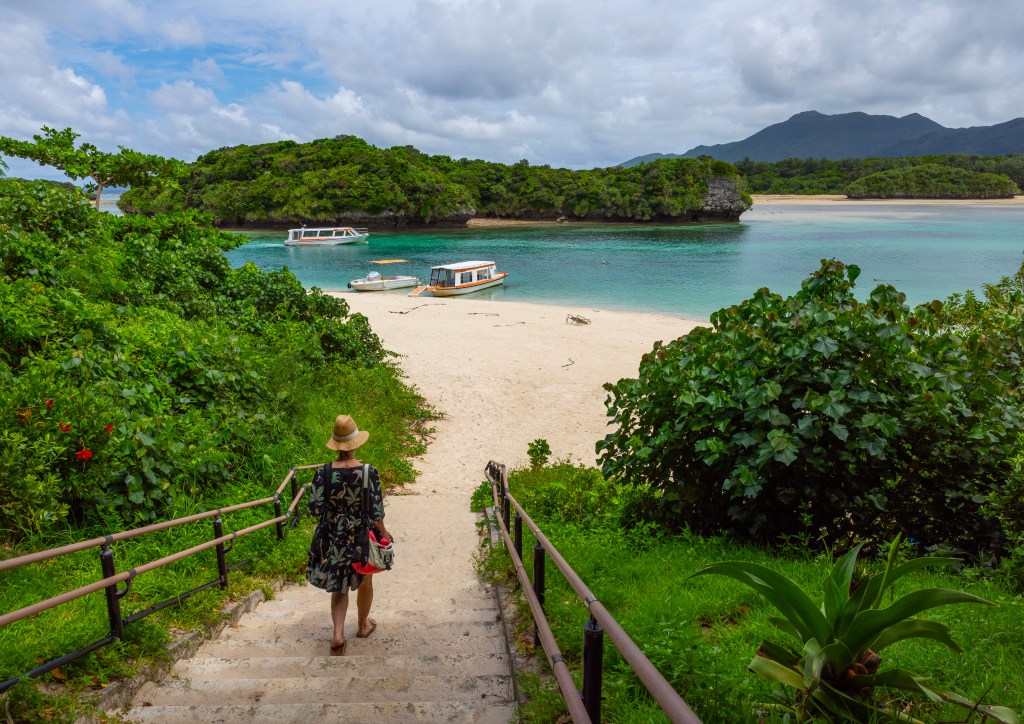
Japan is home to subtropical islands, including the well-known Okinawa. If you want to experience a beach day in East Asia, make sure to set aside a day or two to explore Okinawa. Just know that it’s rainy and windy during the summer in Okinawa. The best time to visit is during the shoulder seasons, from March to May and October to November. While you visit, you can soak up Okinawan culture—which is distinct from mainland culture, similar to Ainu culture in Hokkaido.
