
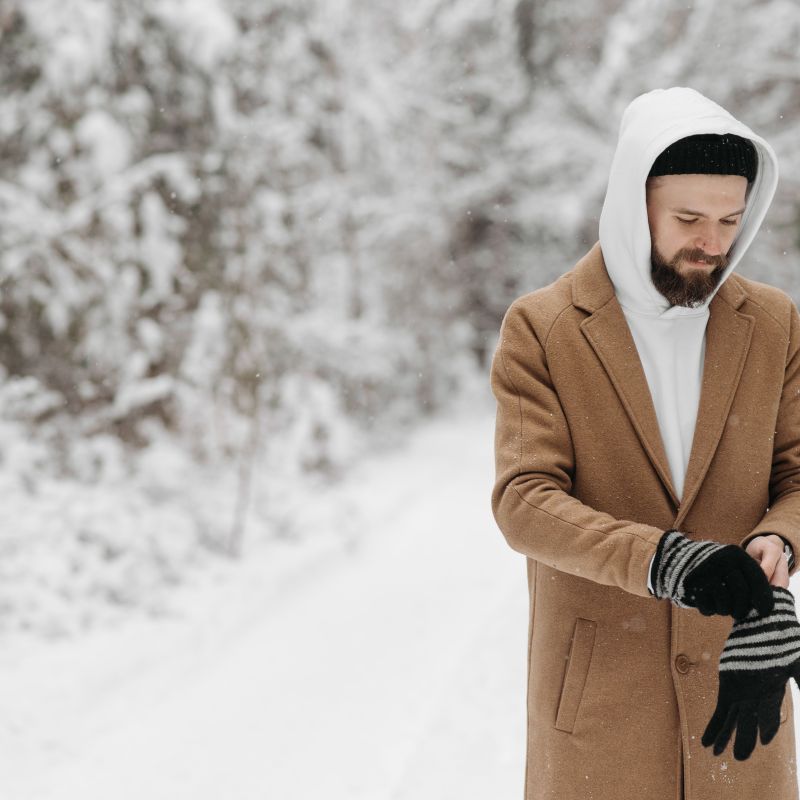
Snowy holiday trips are some of the best bucket list vacations out there, whether you’re chasing the Northern Lights in Norway or skiing down slopes in the Rockies.
Videos by TravelAwaits
There’s just one catch: packing winter clothes for cold-weather trips isn’t for the faint of heart.
Warm winter clothes are bulkier than normal, from thick socks to scarves to gloves. That’s not even counting a heavy winter coat or winter boots, which you’ll need to lug with you on the plane. (Cue the foot sweat.) Then there’s the question of whether or not to leave room in your luggage beforehand—after all, won’t you want to bring home souvenirs?
In short, packing for cold weather can be a cumbersome nightmare, but there are a few tips you can use to minimize the hassle. Use these hacks for packing winter clothes for your upcoming trips this holiday season.
8 hacks for packing winter clothes for cold-weather trips
Forget your carry-on—it’s time to buck up for a checked bag
It’s almost always a good idea to pack a carry-on instead of a checked bag. You save on money, don’t have to worry about lost luggage, and also don’t have to lug around a huge suitcase. But there are times when checked bags are actually the easier, smarter option—especially when bulky winter clothes are involved.
Go with a checked bag to guarantee you have the space you need. The bag fee won’t cost as much as realizing you need to buy a back-up carry-on at your destination. And remember to leave part of your bag empty—you’ll fill it with souvenirs, not gloves or scarves. If you’re traveling with a buddy, you can also split a carry-on and checked bag with them. Keep your heavy items in the checked bag, just make sure you don’t go over fifty pounds.
Synthetics are your best friend
When it comes to travel clothes, investing in organic textiles like cotton, wool, cashmere, and linen is a good decision. They hold up better to sweat, stink, and general weather resistance. However, synthetics are one of the best hacks for packing winter clothes, given they fold up small, are easy to wash, and dry quickly. (You can handwash in your hotel sink, if in a bind.)
You don’t need to overpack synthetics, but you can balance them with your wool and cashmere layers. When buying synthetic winter gear, I recommend looking for specialized blends, like Uniqlo’s Heatech shirts. They’re specifically designed to stay lightweight, warm, and dry in cold weather.
Consider renting gear at your destination—but don’t wait to buy gloves, hats, etc.
If you plan to enjoy a few rugged winter adventures, from skiing to dogsledding to tubing, you’ll need heavy-duty gloves, hats, scarves, and even face coverings. If you already have this gear at home, consider packing it—but don’t write off gear rentals.
First, gear rentals are available at most winter destinations and include smaller items like gloves and face masks. Second, if you booked a winter sport experience, like dog sledding or snowshoeing, the company probably has gear for you—it’s part of their safety protocol, in most cases. Third, buying this type of specialized gear can get pricey, so any rental fees are probably the better option.
Stuff your shoes—and maybe even your coat
Pockets and shoes are two options for extending your packing capabilities when heavy winter clothes are involved. Thick socks, hats, and other small items can be rolled and packed into the soles of your shoes. The same goes for heavy winter coats, which you should be wearing on the plane.
You can get away with packing some extra goodies into the pockets of your winter coat. This is a great place to store packet hand warmers, too.
Compression cubes will help you re-pack
Packing cubes won’t get you far when it comes to winter clothes because they help you organize—not consolidate or shrink down. That’s not the case when you have a solid compression packing cube in your arsenal. These cubes tighten, which actually compresses the clothes inside to buy you more packing space. Ekster has a great compression packing cube with a centralized vacuum valve.
Compression packing cubes are a great start—but if you’re really strapped for space, you can also use a sealed vacuum bag. Aerless Vacuum Kit, for example, comes with a rechargeable pump that lets you shrink down your clothes by up to 30%.
Bring a scent solution
This hack won’t help you with packing winter clothes, but it’s a great reminder: bring a scent solution. Dryer sheets or odor absorbers will go a long way when you’re going on a multi-leg winter trip with some active adventure days on your itinerary. Winter gear will absorb more sweat and stink than summer clothes, so make sure to air out your bag when you have the chance.
Toiletries should be a top concern in cold weather
Here’s another insight into cold-weather travel: a lot of people end up buying moisturizers and sunscreen at their destination. Dry, cold climates will suck the moisture out of your skin. Go with a heavier balm or oil if you’re prone to dry skin. And don’t forget that your skin can still burn in winter, especially when bright snow reflects sunlight. You can still get rosy cheeks on the slopes—so pack a light sunscreen.
Pro tip: Stuff your coat in the overhead cabin—there’s usually space
This is an airport hack for packing winter clothes: figuring out how to get rid of your heavy winter coat on long flights. What works for me is waiting until all the passengers have boarded and all the overhead bins are loaded. Once everyone has put their bags away, take a quick look at the cabins near you.
You’ll likely see an opportunity to get rid of your winter coat, usually by sliding it on top of a bag or a suitcase. If you’re traveling with a duffel or a smaller carry-on, you can usually slot it above your carry-on—which might involve some shoving and stuffing. No judgments here.