
Most people head north during winter on the hunt for the Aurora Borealis.
Videos by TravelAwaits
Travelers brave Arctic temperatures, long journeys, and even longer nights.
But, as someone who has enjoyed multiple trips to Scandinavia during the summer, I’ve found it more difficult to deal with the midnight sun. While northern destinations (including Alaska and many zones in Canada) are magical places to visit in winter, they’re equally stunning in the summertime.
They’re cool—no mosquitoes. They’re also gorgeously lush—the plants and trees only have a few months of precious warmth. Even better, they aren’t overrun with tourists like many other locations in summer.
There is a catch, however. You need to deal with what’s called the midnight sun in June, July, and August. During this time, some locations further north see up to 20 hours of sunlight a day as the solstice approaches. And even if you have blackout curtains and a solid eye mask, you might still struggle to keep your circadian rhythm in check.
Here’s how to deal with the midnight sun when you venture north in summer.
Tips for sleeping with the midnight sun
Tip #1: Get your light-blocking routine down pat
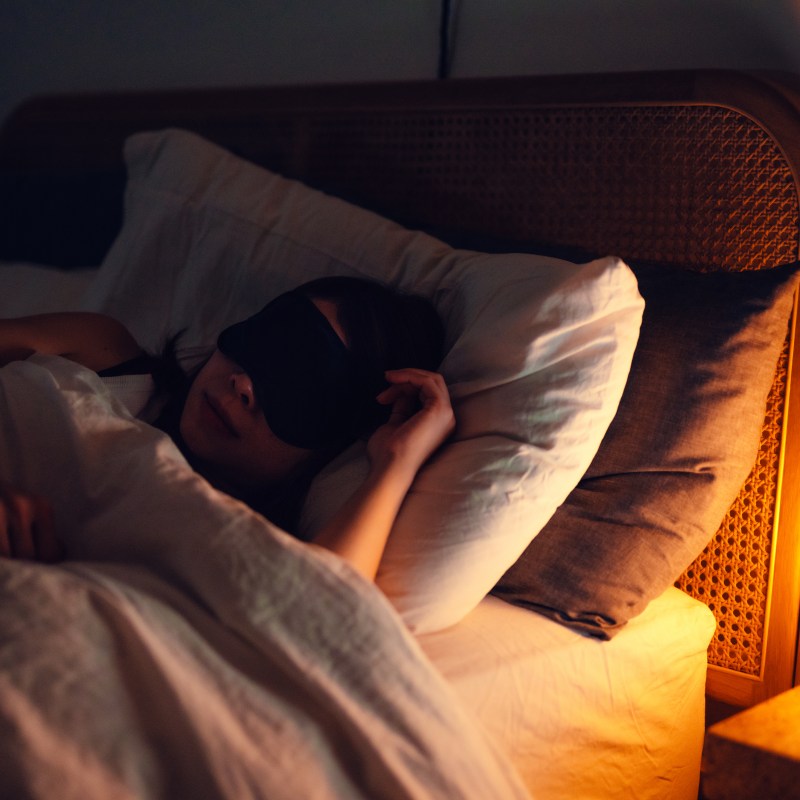
From blackout curtains to eye masks, those who live with the midnight sun each summer have a tried-and-true way to block out the light. When it comes to travel, most hotels and rentals offer blackout curtains to help visitors rest during sunlit midnights.
However, you might also want an eye mask. Some blackout curtains leave a seam of light around the edges of the windows. If you’re sensitive, that will probably bother you. Always have an eye mask with you, just in case.
Tip #2: Light-blocking includes screens—but not red light therapy
Don’t forget: staring at screens can fool your body into thinking it’s daytime. Blackout curtains and eye masks won’t do much if blue light from a smartphone or tablet is telling your brain that morning is coming. Make sure to minimize screen time as you wind down for sleep when the midnight sun is out.
That being said, don’t discount red light therapy. Whether you enjoy a red light facemask or red light saunas, you can actually stimulate melatonin production. That’s because red light stimulates our parasympathetic nervous system, which can decrease our cortisol levels, as well.
Tip #3: Routine matters more than you think
Want tips for sleeping in the midnight sun from locals who do it every summer? Get your routine down. For them, their bedtime routines don’t change much by the season. However, during days with long hours of light, many people set an alarm to remind themselves to start getting ready for bed.
That could mean pulling down the blackout shades as early as 7 or 8 pm as they begin their wind-down routine. Your routine should closely mirror what you do at home. Just don’t forget that your body might thank you for pulling down the blackout shades earlier rather than later.
Tip #4: Keep it cool
If you find that you’re struggling to sleep with the midnight sun right outside your window, lower the temperature of your room. This is another tip from locals—they find it easier to sleep well when the temps are cool.
Tip #5: Try exercise and sleep supplements
If you’re having trouble sleeping at home or on the road, make an effort to exhaust yourself. Even doing exercises as simple as jumping jacks and other calisthenics can put your body in a better place for a long night of sleep.
But don’t forget: The issue with the midnight sun is that it interrupts our circadian rhythm thanks to all that light. It dupes our body into delaying melatonin production, which is a chemical that makes us sleepy. Usually, our bodies release melatonin when the sun goes down.
If you’re struggling to sleep with the midnight sun, you might need to take melatonin. I recommend taking a supplement after you’ve already had your blackout curtains drawn for a while. Remember that supplements usually take effect in 20 minutes before metabolizing in around 40 minutes.
Tip #6: If you can’t sleep, go outside
Here’s my last tip for sleeping in the midnight sun: If you can’t, just go outside. You’ll be treated to a surprisingly beautiful world—one that looks like it’s caught in a perpetual dawn. Whether you’re in a city or further out in the countryside, you’re in for a treat.