
Home to sprawling, peaceful beaches and dreamy waterways that lead to unexpected adventures, Virginia Beach is a classic summer getaway for the ages.
Videos by TravelAwaits
It’s a perennial favorite for families and beach-lovers thanks to its timeless Americana aesthetic—from a long and fun-filled boardwalk to its list of affordable rentals and upscale resorts. There’s also delicious seafood, from those famous Lynnhaven oysters to blue crabs, themed putt-putt, and other factors that lure visitors back in year after year.
It’s also a sneaky standout when it comes to American history. Given its proximity to Washington DC and areas like Roanoke, home to the Lost Colony, the town is dotted with historical markers and monuments. In fact, the area has an unofficial name: the Historic Triangle. (More on this below.)
That means one thing: You can go on patriotic side quests when you visit this summer. Even if you don’t stay in town for the big Fourth of July celebrations, you can still check out some of the country’s most impactful historic sites.
Here’s where to find them.
Historical places to visit in Virginia Beach—including the site of the first landing
First Landing State Park
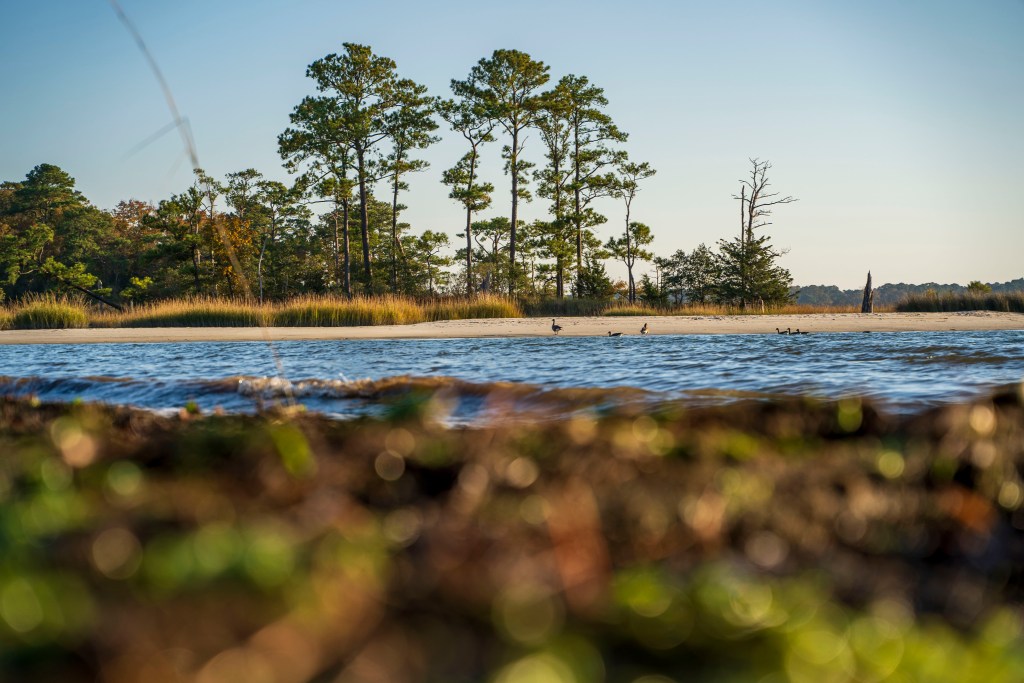
First Landing State Park is named after the location in Cape Henry where English settlers first made landfall in 1607 in the future United States of America. Over four centuries later, the area is home to a sprawling park with miles of hiking trails, meandering waterways, and picturesque sand dunes.
Cape Henry Lighthouse(s)
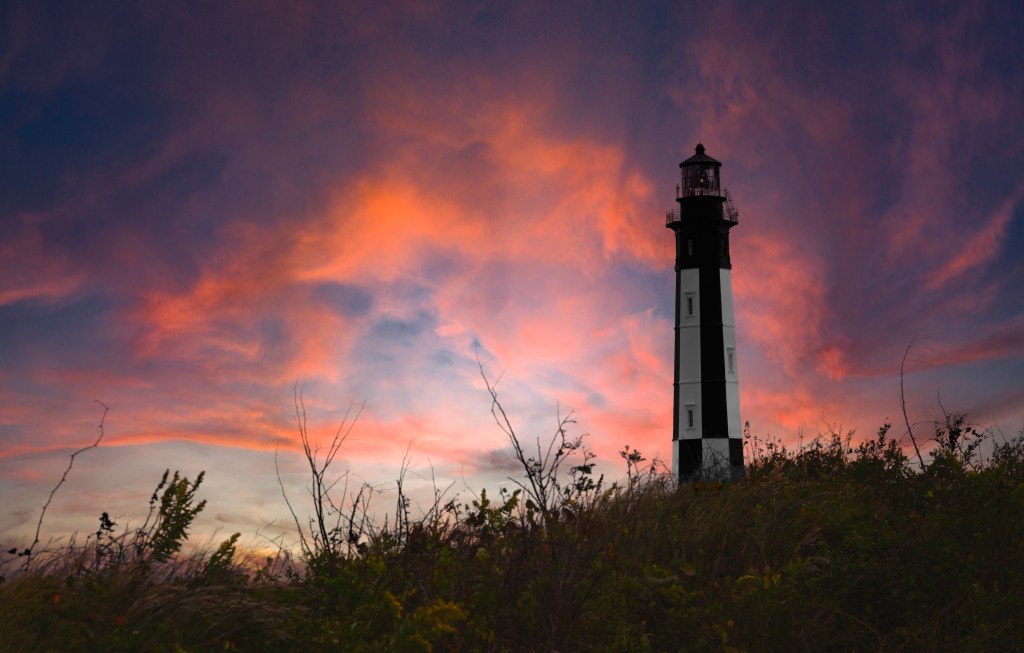
On the grounds of the Fort Story military base (close to First Landing State Park), you can find the Cape Henry Lighthouse. The Cape Henry Lighthouse is built on the site of the first landing, and is also the very first public works commissioned and paid for by the US government when it was built in 1792. A second lighthouse (with black and white stripes) was built next to the original in 1881. Both are now designated as National Historic Landmarks.
That means you can sit on the beach and take in a peaceful moment as you reflect on the first landing and its impact on the eventual formation of the United States of America.
Thoroughgood House
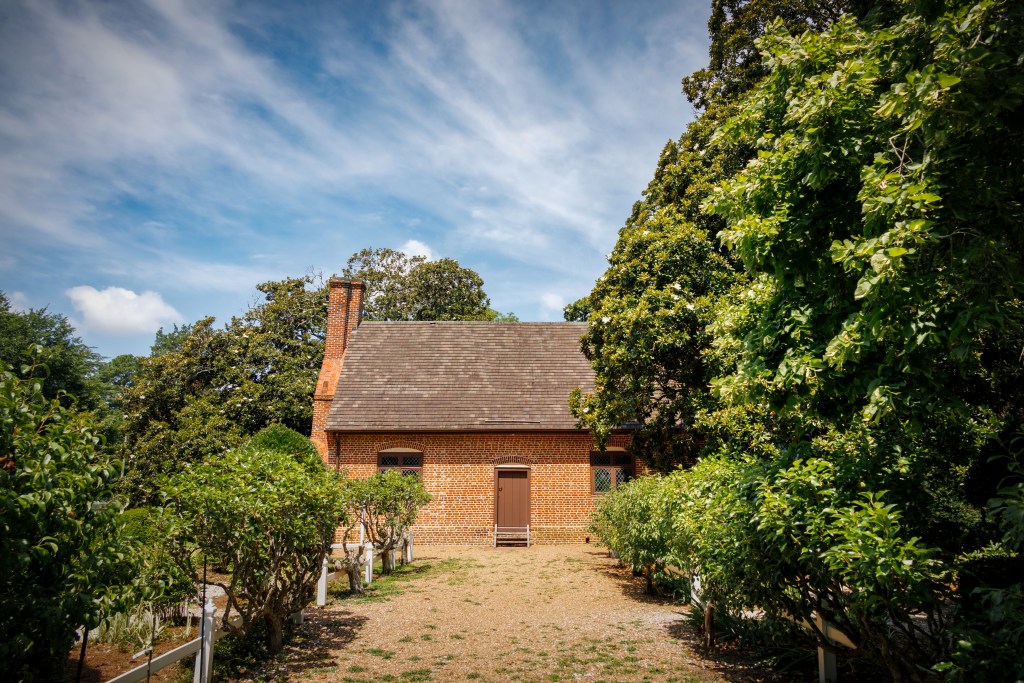
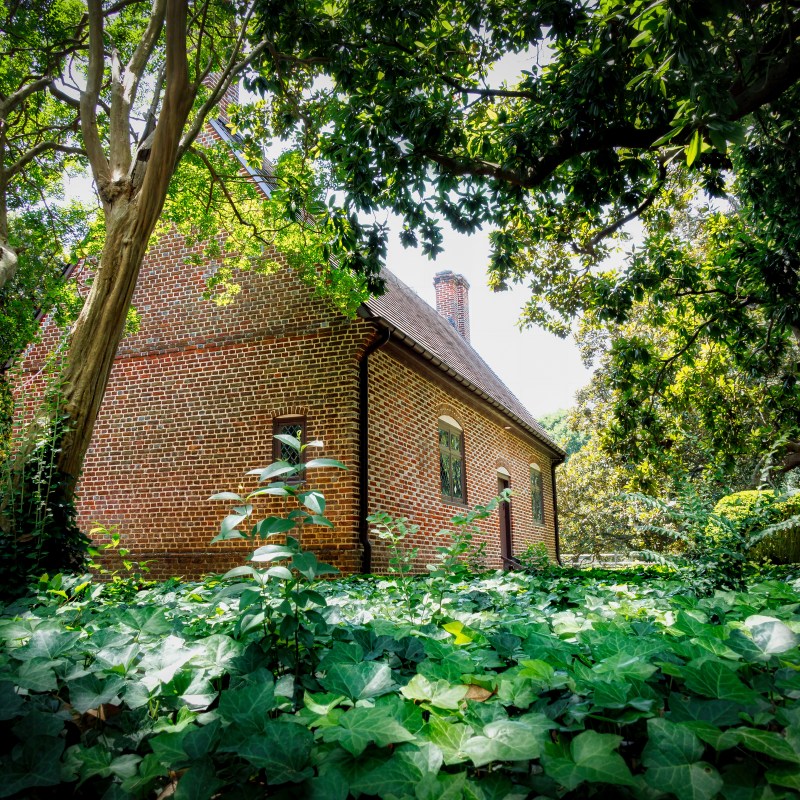
Though to be built in 1719, the Adam Thoroughgood House is one of the oldest surviving homes built by English settlers. The brick home first opened to the public in 1957. Since then, it’s been carefully restored to showcase what life in colonial Virginia Beach looked like for some of its first settlers.
Lynnhaven House
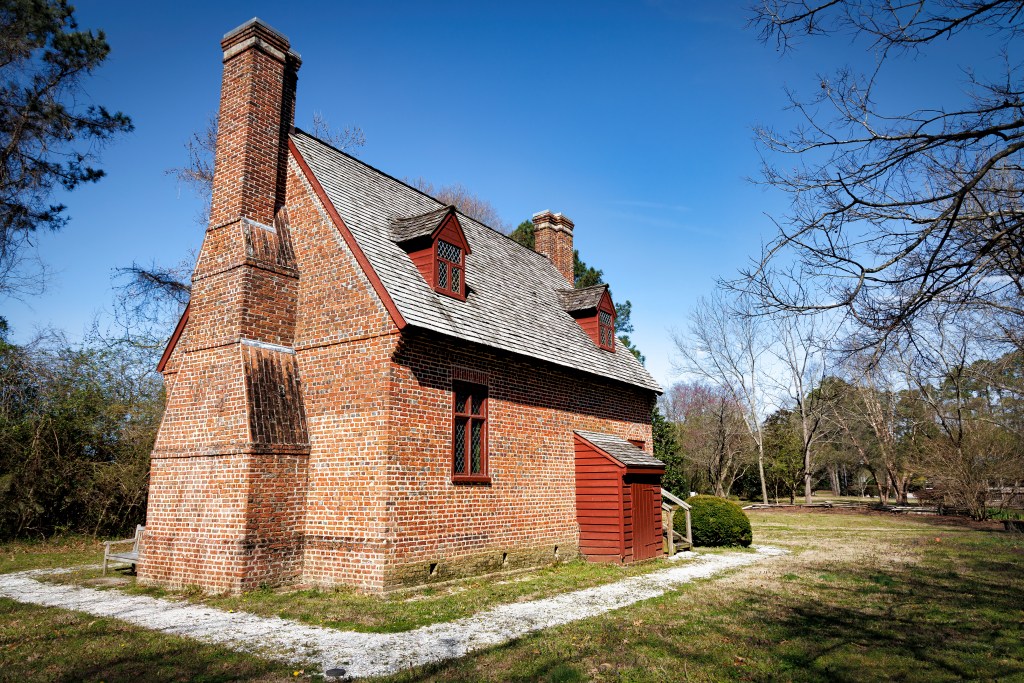
Lynnhaven House was built around 1725, around the same time the Thoroughbred House was completed. It’s another example of a brick colonial home, which was located on the grounds of a large 250-acre plantation. Uniquely, some scholars estimate that around 85% of the home’s original materials are still in place. Additionally, this home was passed down through multiple families until the 1970s, when it was turned over to a historical preservation society.
Francis Land House
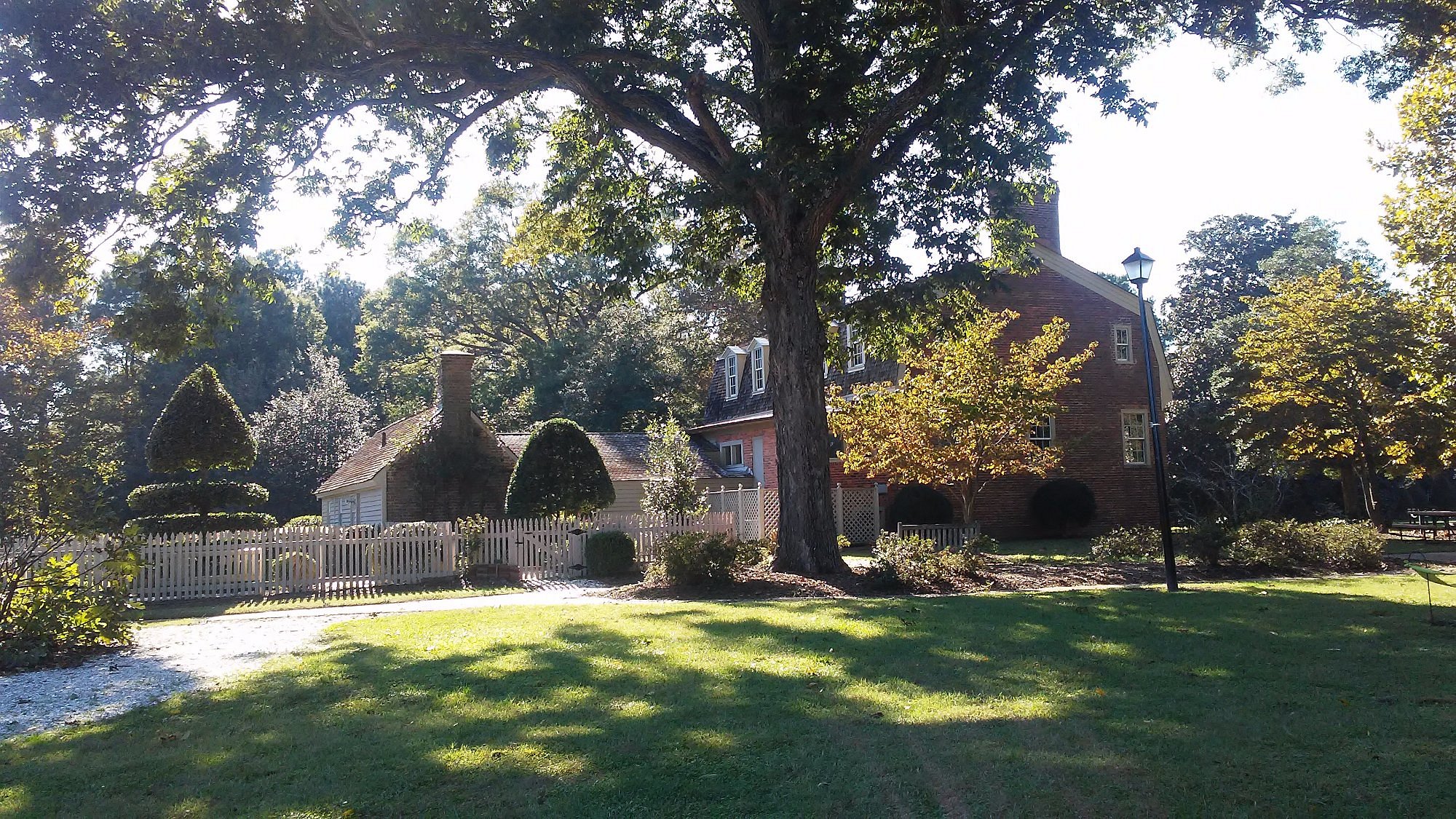
Built in 1805, the Francis Land House, aka Rose Hall, is a brick plantation home located in Virginia Beach. Unlike the previous houses, this historic home was built in a Georgian style. It’s been under construction for restoration for years, but recently reopened to the public in November 2025. There’s a pretty cool VR experience that will immerse you in the home’s historic era.
Venture outside of Virginia Beach: The Historic Triangle
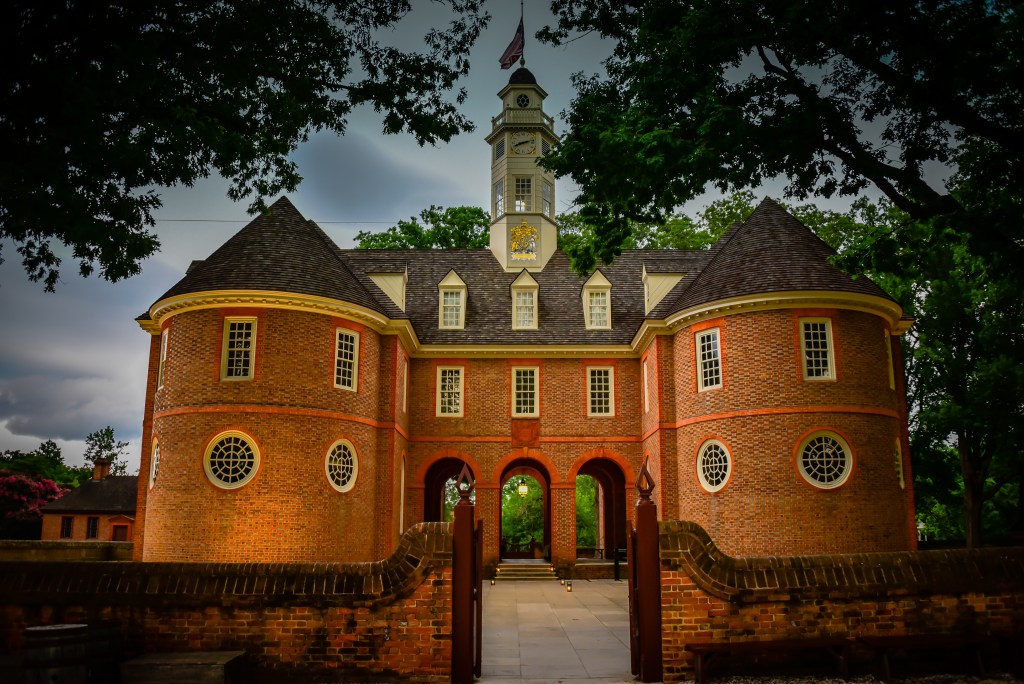
If you enjoy the historic things to do above, then you might want to leave Virginia Beach to explore other nearby sites. Virginia Beach is part of a Historic Triangle, meaning sites like Colonial Williamsburg, Jamestown, and Yorktown. All three offer even more adventures that take you back to some of the country’s earliest days.
Visit Virginia Beach has a three-day sample itinerary that you can use for ideas on how to explore the Historic Triangle. They also have quite a few recommendations on where to eat and stay as you explore the area.