

You don’t need a reminder that the United States’ national parks system is full of natural wonders.
Videos by TravelAwaits
Every state has its very own standout landscape, landmark, or region. Even small states like Rhode Island and Delaware, that aren’t home to national parks, still have their scenic outposts, like Mohegan Bluffs and the Great Cypress Swamp, respectively.
That being said, some national parks have more international acclaim than others.
Some are home to dark sky sanctuaries. Others are perfectly lined up on popular road trip routes. Others are rimmed by worthy side quests that will make your trip unforgettable.
But only 14 national parks have been designated as UNESCO World Heritage Sites. In case you’re new to UNESCO, it’s the UN’s educational, scientific, and cultural branch that helps identify, promote, and preserve locations around the world for all humankind to enjoy.
Travelers like you and me most often see UNESCO-listed sites around historic or ecological landmarks. Machu Picchu, the Vatican, and the Pyramids of Giza are all popular UNESCO sites. Some US national parks are also important enough to have earned the title ‘World Heritage Sites’ from the UN.
Here’s where to find them.
US national parks that are also UNESCO World Heritage Sites
Carlsbad Caverns (New Mexico)
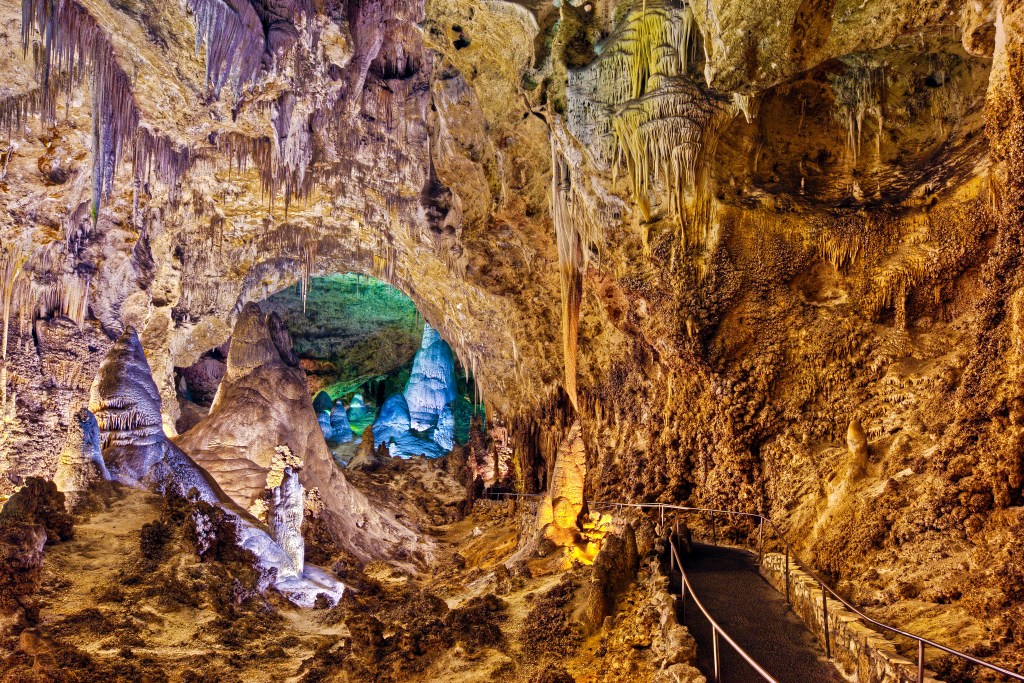
Meet the biggest and baddest cave in the Chihuahuan Desert. This national park is home to 117 caves and a massive colony of bats and other cave-dwelling beasts.
- Date established: 1930
- Can’t miss: The Big Room
Everglades (Florida)
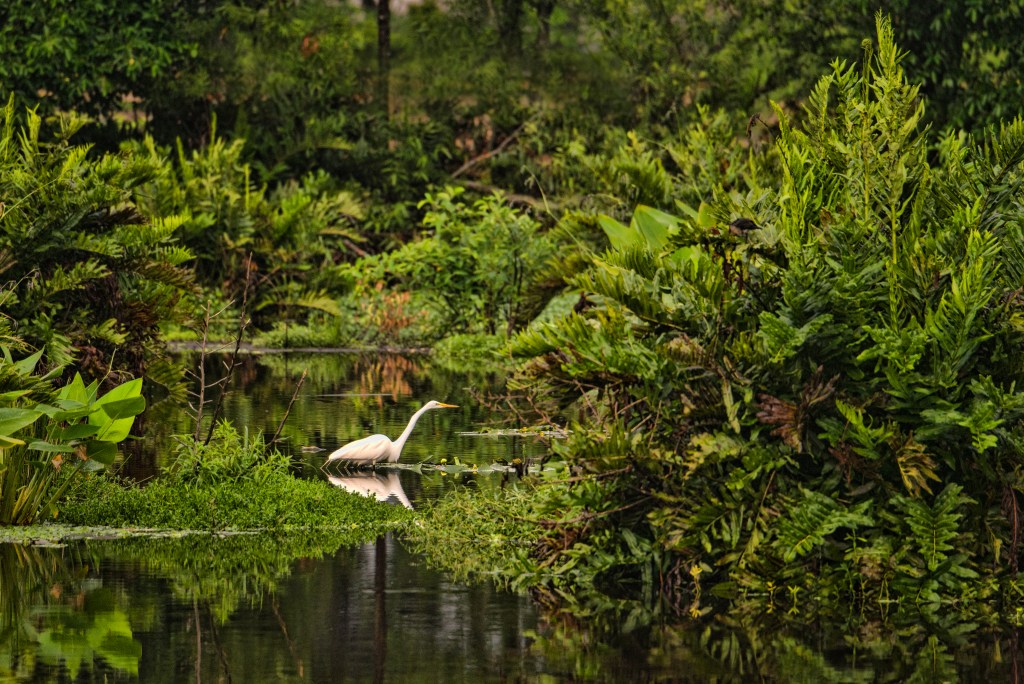
America’s most beloved and mysterious swamp, home to creatures like the alligator, crocodile, Florida panther, manatee, and more. Technically, it’s a mangrove and tropical forest in addition to a swamp.
- Date established: 1934
- Can’t miss: Shark Valley
Glacier (Montana)
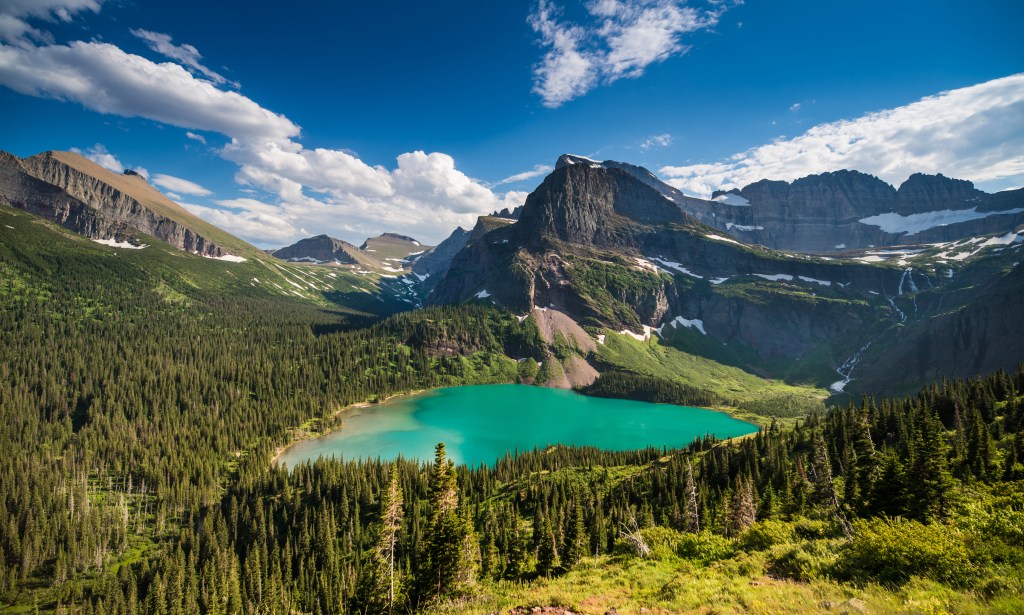
Rocky Mountain peaks shelter over 25 fast-melting glaciers and over 100 lakes that they feed. Similar to Yellowstone, you’re likely to see some of the continent’s most impressive mammals, including wolves, bears, elk, bison, and more.
- Date established: 1910
- Can’t miss: Going-to-the-Sun Road
Glacier Bay (Alaska)

Home to towering mountains and fjords alike (and even a temperate rainforest), this park is one of the wildest corridors in the US. Along with mammals like grizzlies and mountain goats, you’re likely to spot whales, seals, and eagles.
- Date established: 1980
- Can’t miss: Triple Divide Peak
Grand Canyon (Arizona)
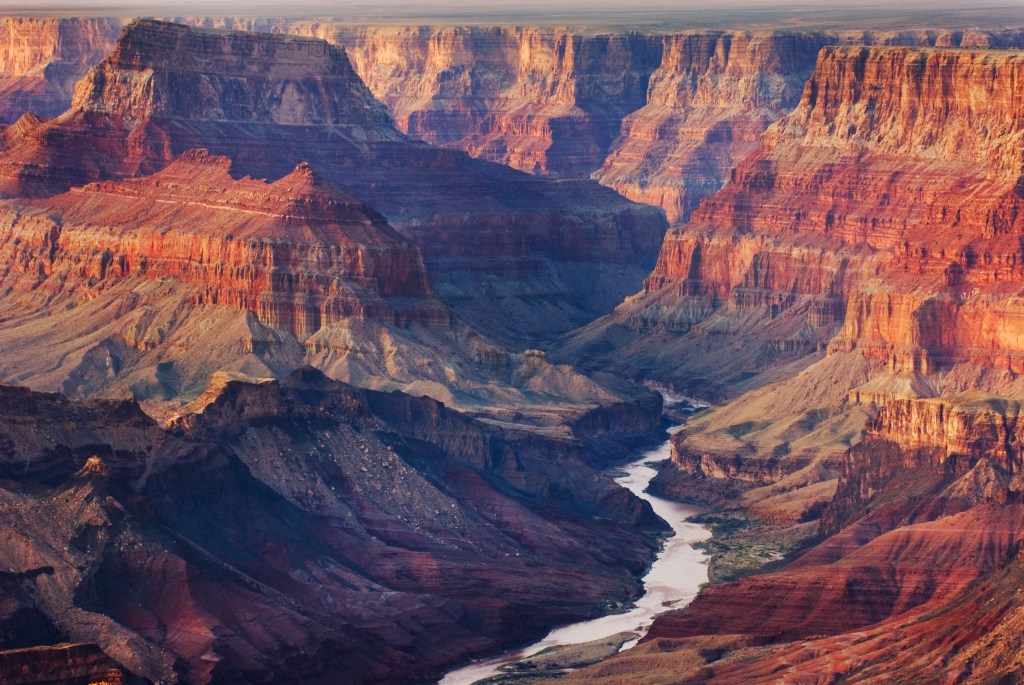
The famous canyons you know and love—which took millions upon millions of years to form due to erosion from the Colorado River.
- Date established: 1919
- Can’t miss: The Rim Trail
Great Smoky Mountains (North Carolina & Tennessee)

The Appalachian Mountains are the world’s oldest mountain range, and the Great Smoky Mountains showcase thousands of unique plant and animal species. You can explore the park in dozens of ways, from camping to horseback riding to fishing.
- Date established: 1934
- Can’t miss: Lightning bug shows
Hawaii Volcanoes (Hawaii)
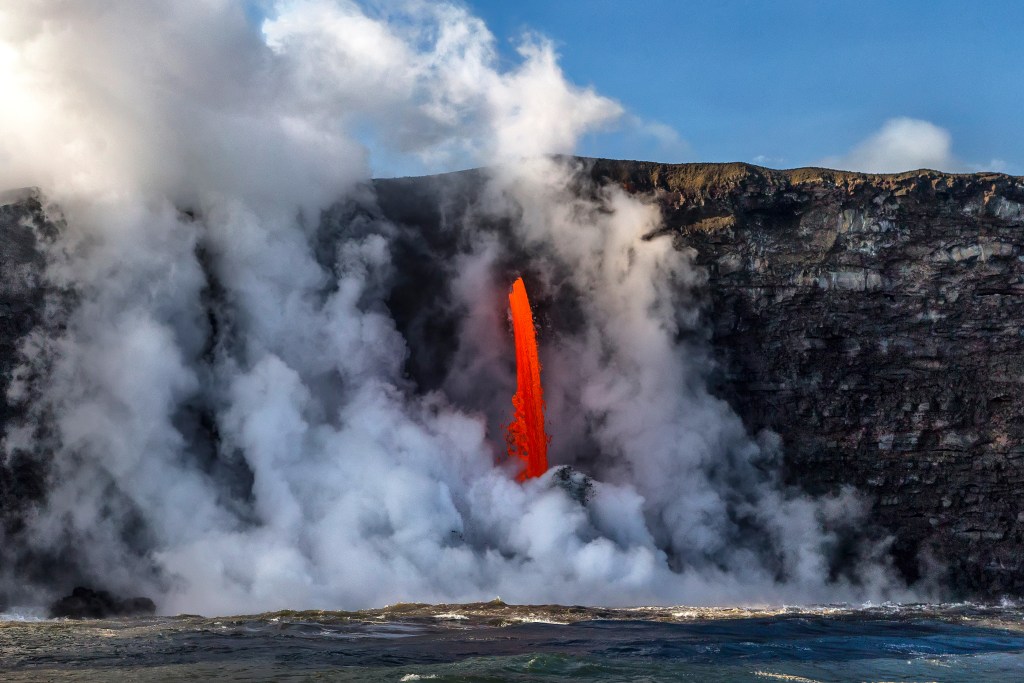
A park on the Big Island that protects two of the world’s most active volcanoes, which are also sacred sites to indigenous groups: Mauna Loa and Kilauea. On land, the area is layered with tropical forests and lava beds alike.
- Date established: 1916
- Can’t miss: Lava beds
Mammoth Cave (Kentucky)
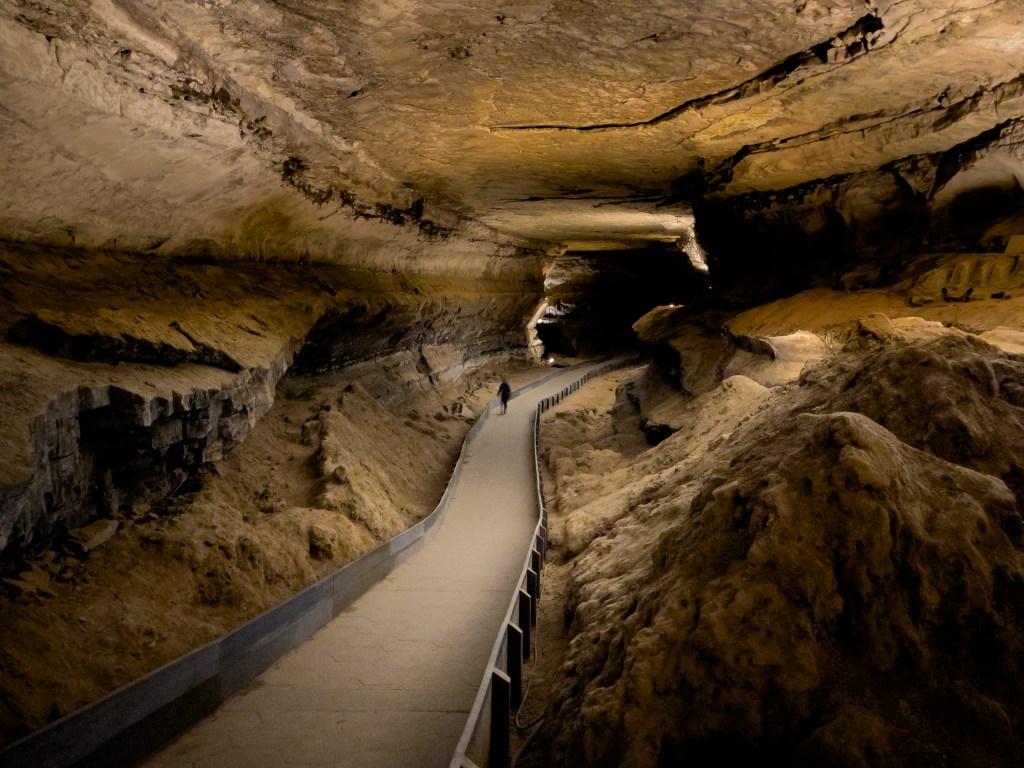
Mammoth Cave is a limestone cave that’s home to eight bat species, cavefish, unique salamanders, and even a type of cave shrimp. It’s also the world’s longest known cave system.
- Date established: 1941
- Can’t miss: cave shrimp
Mesa Verde (Colorado)
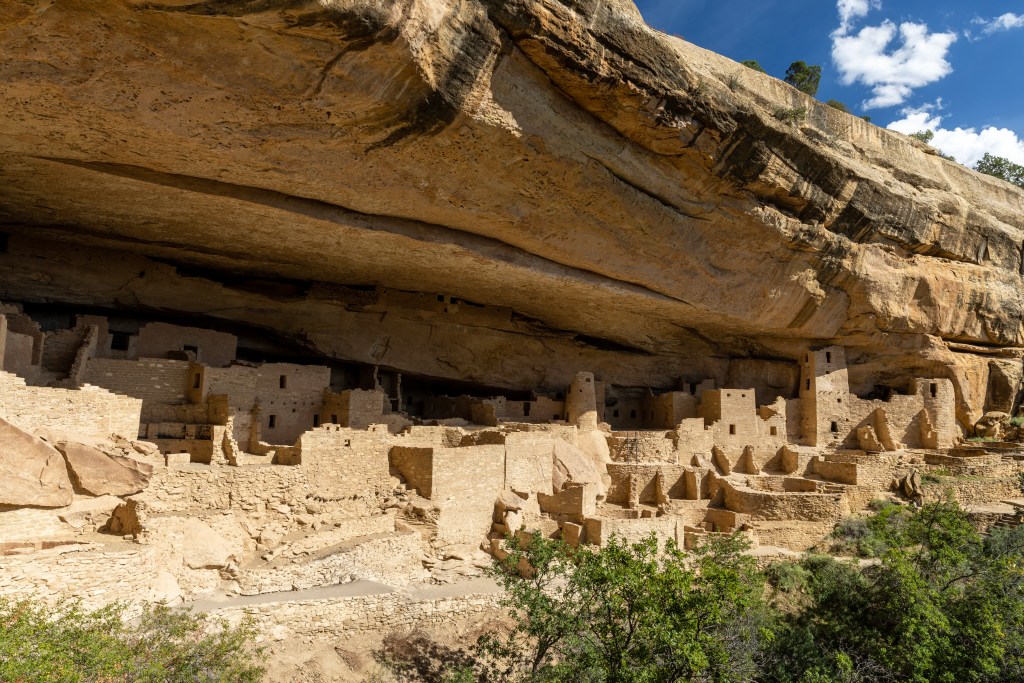
Home to the remnants of the Cliff Palace of the Ancient Puebloans, this Four Corners-region park dates back around 700 years. You can explore the kivas, passages, and tunnels of Cliff Palace, which is part of the park’s 4,000 archaeological sites.
- Date established: 1906
- Can’t miss: Cliff Palace
Olympic (Washington)
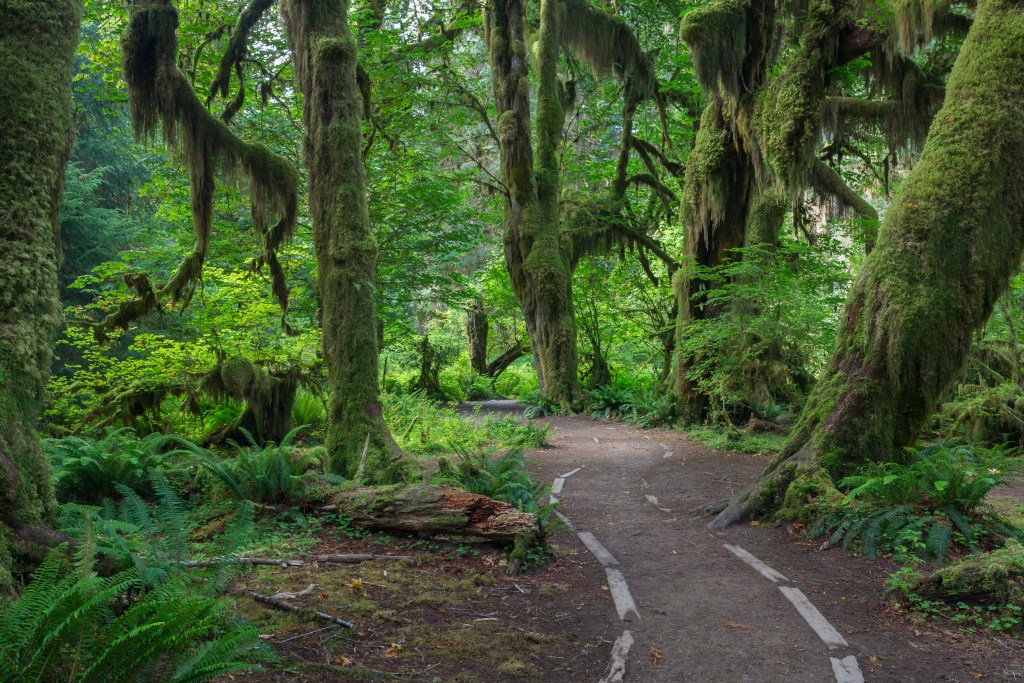
You can explore the greatest wonders of the Olympic Peninsula here, including the famous Hoh and Quinault Rainforests. Aside from atmospheric rainforests, the park is also home to alpine climates with stunning mountain peaks.
- Date established: 1938
- Can’t miss: Hoh Rainforest
Redwood (California)
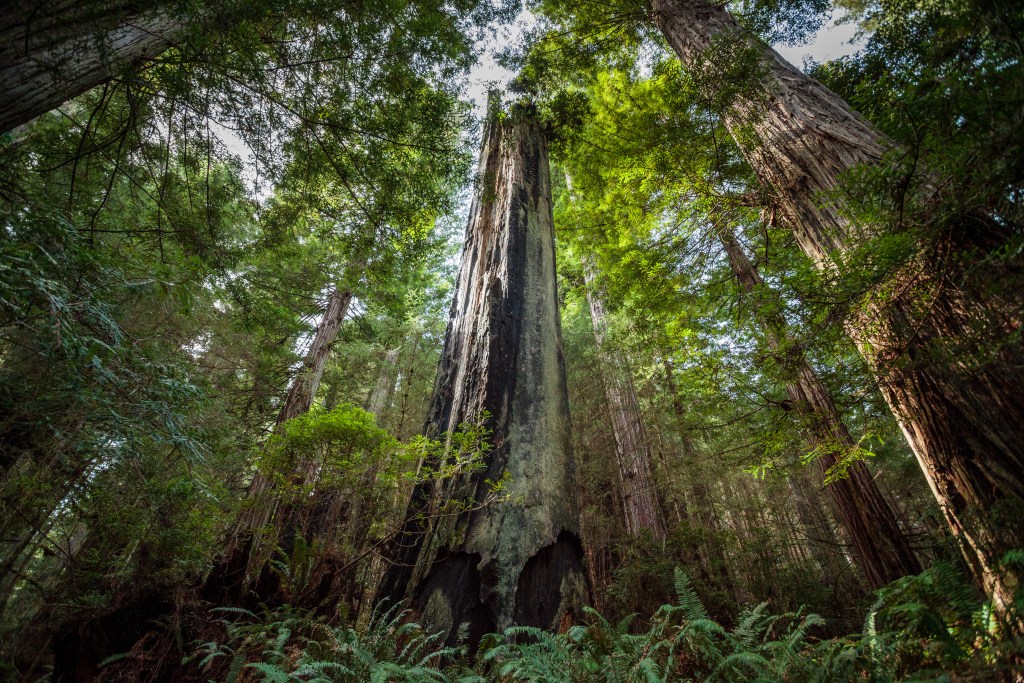
Home to over half the country’s remaining redwood trees, this national park also includes coastal stretches that will make your jaw drop. Expect gargantuan seastacks that loom amid the mist.
- Date established: 1968
- Can’t miss: Redwoods
Wrangell-St. Elias (Alaska)

(Getty)
Home to the Hubbard, Malaspina, and Nabesna Glaciers, this park is also home to some of the continent’s tallest mountains—and dormant volcanoes. Enjoy views of the expansive mountain ranges of Alaska, Saint Elias, Wrangell, and Chugach.
- Date established: 1980
- Can’t miss: Hubbard Glacier
Yellowstone (Wyoming)
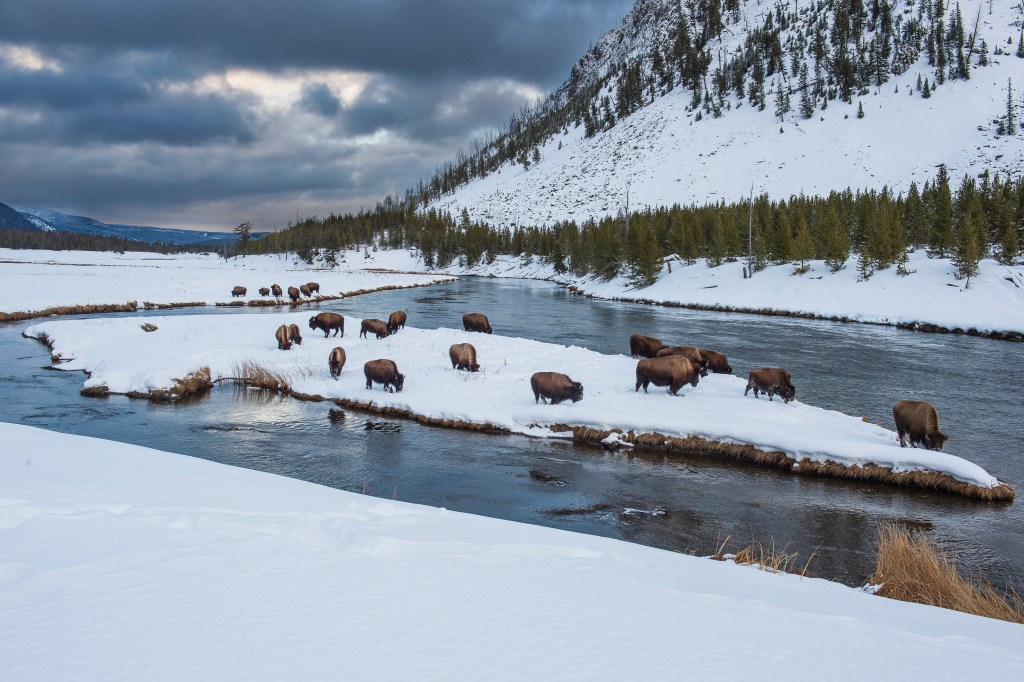
Geothermal wonders have created hot springs and geysers that feed lush forests and valleys that span four distinct mountain ranges. Expect to see some of North America’s most rugged mammals, from bears to bison.
- Date established: 1872
- Can’t miss: Old Faithful & Grand Prismatic Spring
Yosemite (California)
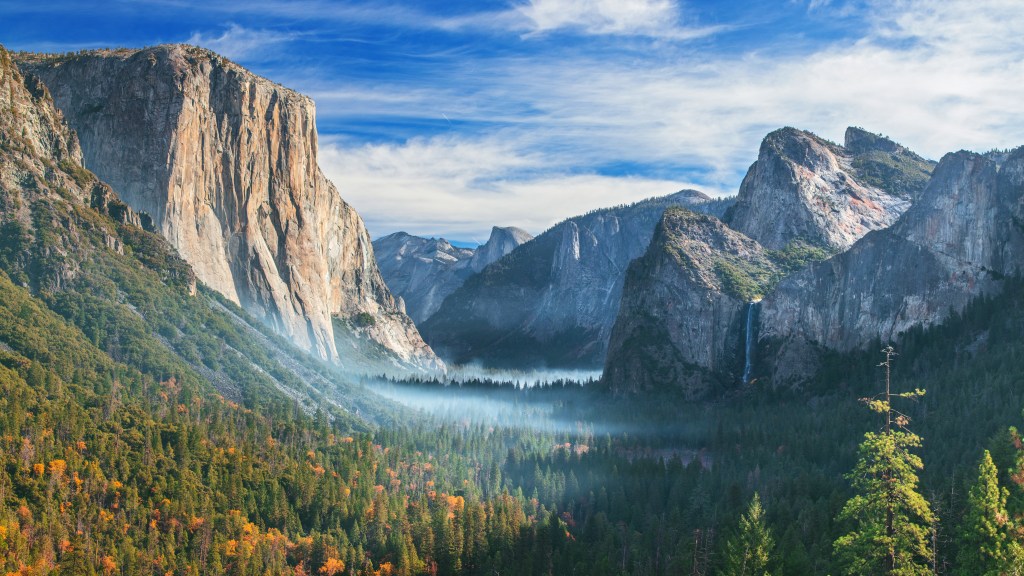
Glaciers carved Yosemite Valley eons ago. Now, it’s a fertile stretch of old-growth forests interspersed with granite cliffs and dramatic waterfalls.
- Date established: 1890
- Can’t miss: Half Dome & El Capitan granite cliffs
