
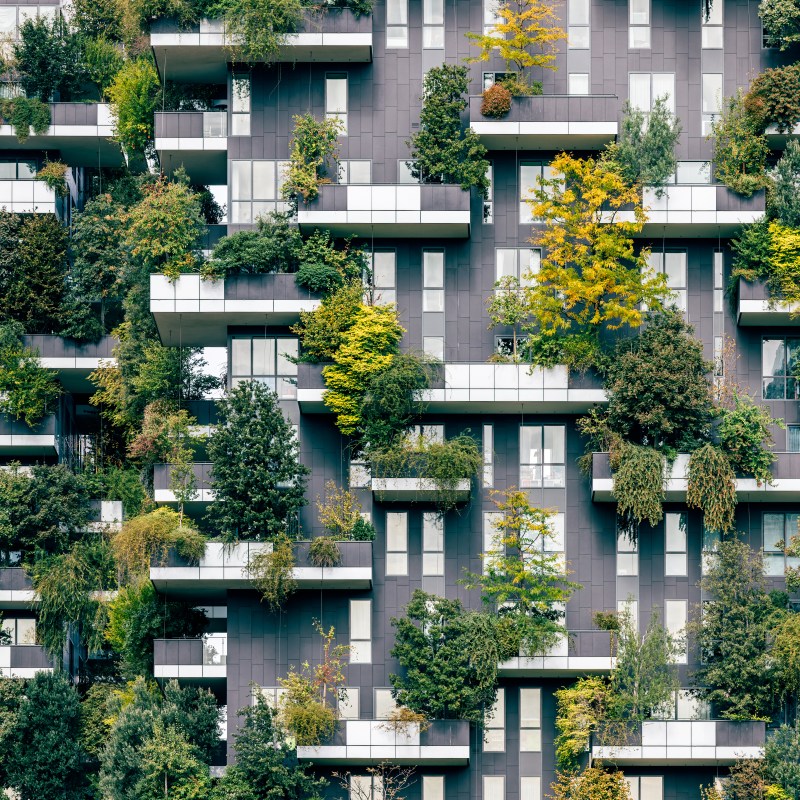
Travelers aren’t often laser-focused on sustainability.
Videos by TravelAwaits
Even if you consider yourself an environmentalist and are dedicated to green initiatives, it’s normal to shelve those concerns for a quick getaway. In other words, you might be adamant about cycling to and from work but aren’t hesitant to get on a plane and cross the Atlantic, for example.
After all, how else would nature-lovers plan trips around popular ecological destinations? From African safaris to Arctic excursions, there are a myriad of ways for you, as an environmentally conscious and caring person, to experience the world.
But what about urban environmental efforts – can you name the most sustainable cities in the world?
Reinders Corp, a Dutch company specializing in industrial projects such as large-scale greenhouses and bio-energy, released a study that ranks the world’s most sustainable cities.
They were compared using six different metrics: green spaces per capita, renewable energy shares, air pollution rates, public transportation efficiency, bikeability, and tourism taxes that are aimed at environmental initiatives. All data is sourced from 2025 or, in the case of green spaces per capita, 2020.
It’s not an end-all list by any means, but it highlights which cities have plenty of greenery, environmentally-focused initiatives, and minimal air pollution.
10 most sustainable cities in the world
First place: Vancouver, Canada

Vancouver narrowly beat out Oslo as the world’s most sustainable city thanks to its abundance of public green spaces and its renewable energy contributions. An insane 98% of the city runs on renewable energy, while there are almost 120 square meters of park space per capita. It also has some of the cleanest air of any city in the world.
Second place: Oslo, Norway
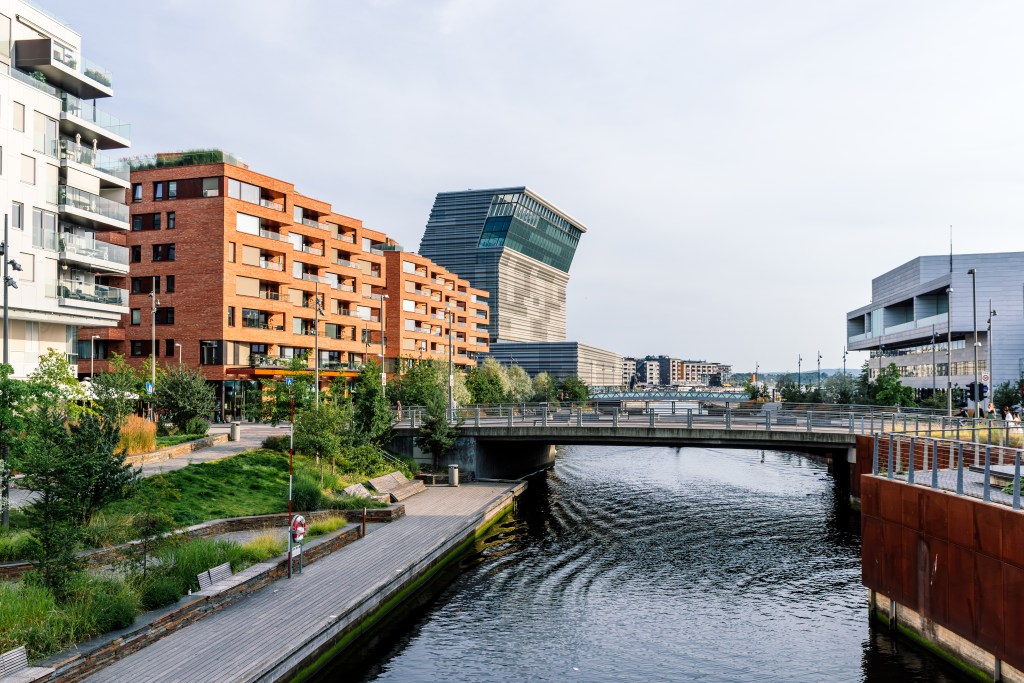
Oslo landed in second place thanks to its ample greenery (116 square meters per capita), its public transportation, and its bikeability. Whether you want to grab a bus, a tram, a train, or a bicycle, you can zip around Norway’s capital safely and without overpaying. Just watch out for bike lane traffic during the warmer months.
Third place: Stockholm, Sweden
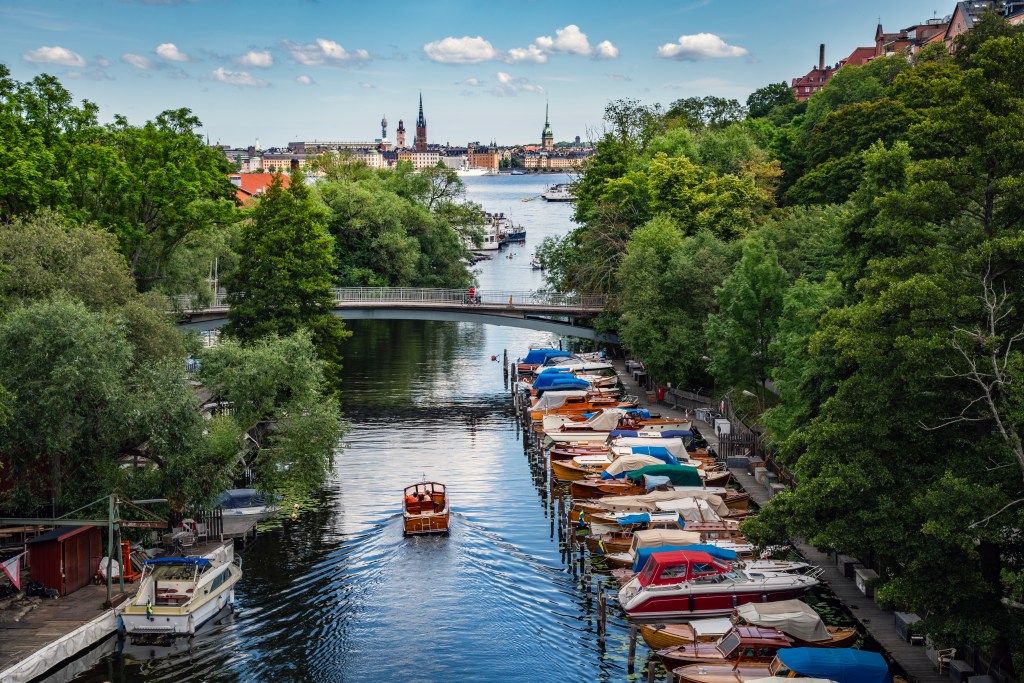
Stockholm, Sweden, has some of the most efficient and sustainable public transportation systems in the world. It’s also highly bikeable, just like Oslo. The only drawback is that it doesn’t have as much green space as other cities on the list, including those ranked further down.
Fourth place: Munich, Germany
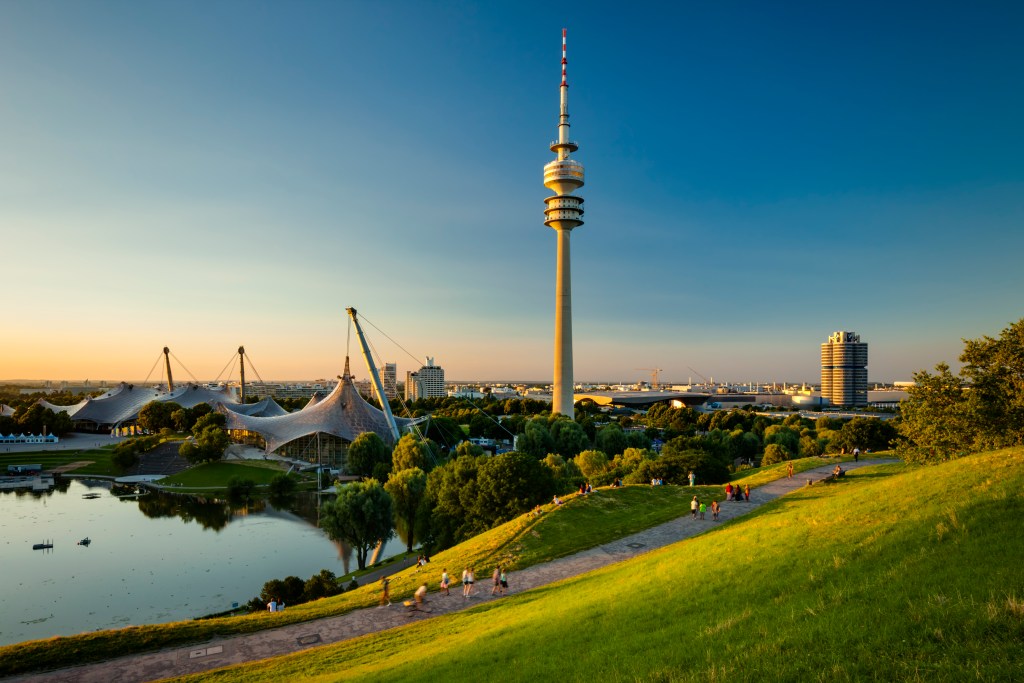
With a renewable energy share of 90%, Munich, Germany, is on par with Vancouver when it comes to sustainability. Its public transportation is also efficient and accessible, while its bike lanes are some of the most well-organized on the continent. The only drawback is that Munich’s air quality is the second-worst of the top ten most sustainable cities in the world.
Fifth place: Zurich, Switzerland

Green spaces dot Zurich, Switzerland, making it perfect for park-lovers. While its air quality isn’t the best and it’s not the most efficient when it comes to renewable energy, it’s highly bikeable and has solid public transportation. The latter factors are important when you consider the city’s taxi and rideshare costs—you’ll want to save on transportation.
Sixth place: Copenhagen, Denmark
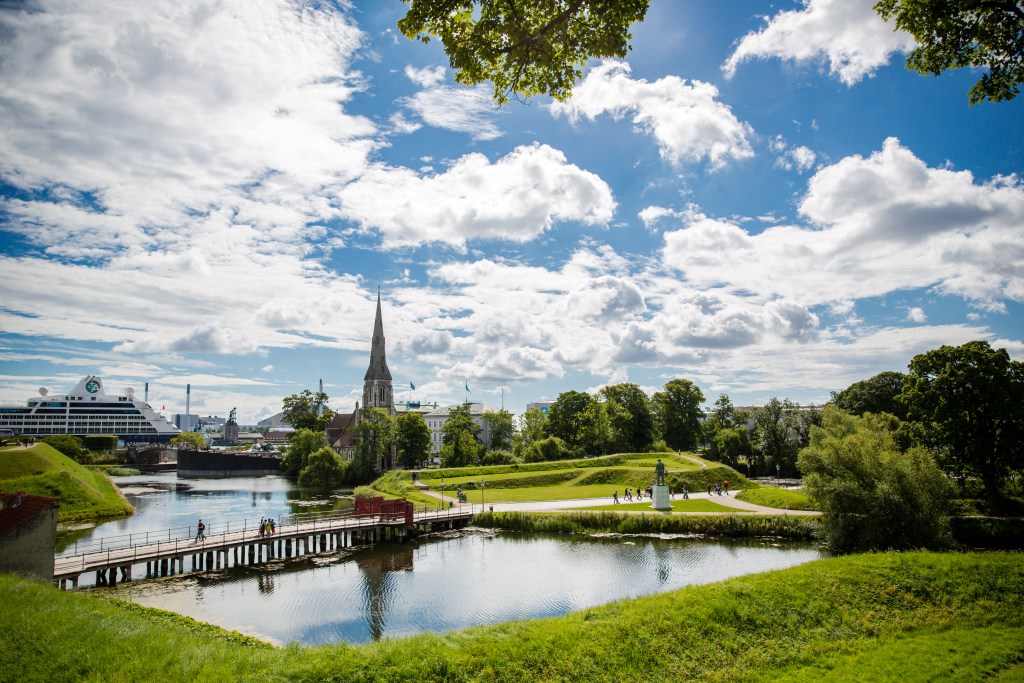
What Copenhagen, Denmark, lacks in greenery, it makes up for with bikeability. If you’ve seen images of Europeans lining up at bicycle traffic lights in hordes, then it was probably Copenhagen. It has a complex, highly functional bike lane system that lets thousands zip around the city each day. Again, just look out for the traffic.
Seventh place: Montreal, Canada
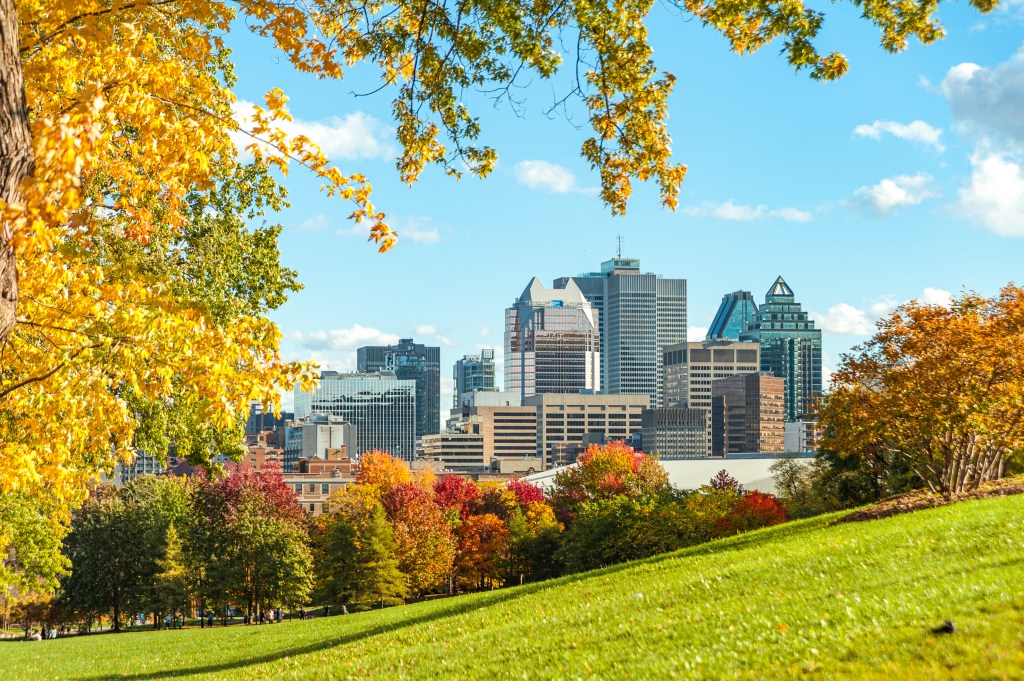
Like Vancouver, Montreal excels when it comes to renewable energy shares. If you like knowing that your destination is powered by renewable sources, head to Canada. Aside from its energy sourcing, Montreal also has a solid number of green spaces and efficient public transportation. However, it ranks last in the top ten sustainable cities due to its high particulate count, meaning its air quality isn’t the best.
Eighth place: San Francisco, USA
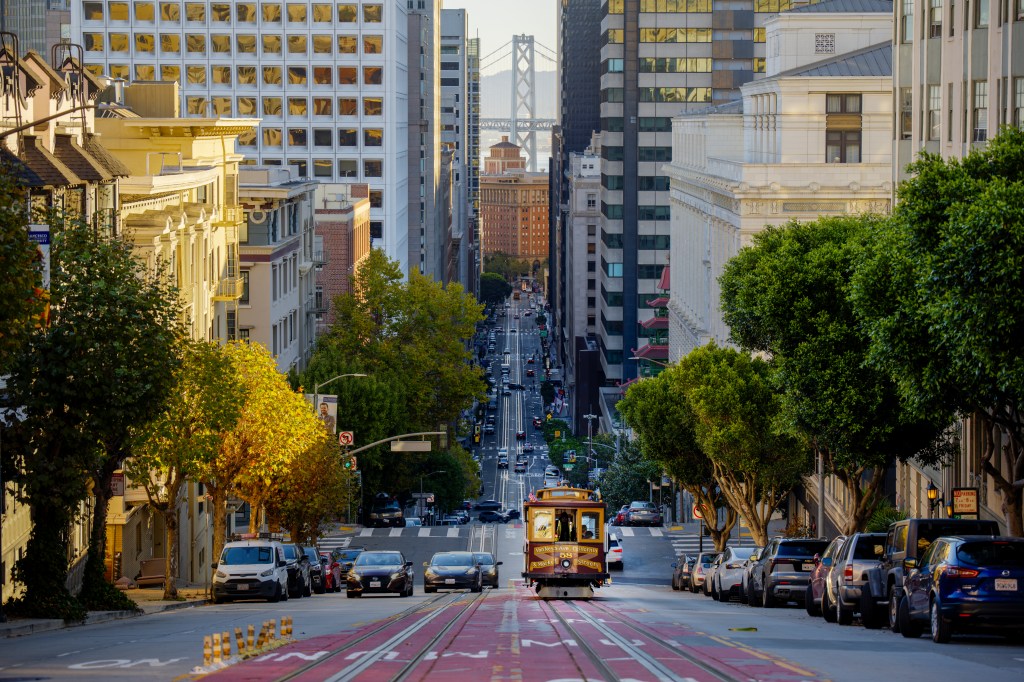
How does an American hub end up on a list of the most sustainable cities in the world? It’s not the most bikeable and, despite its many famous parks, San Francisco doesn’t excel when it comes to green spaces. Instead, it stands out for its relatively high renewable energy sourcing and its highly effective public transportation system. You read that correctly: this US city has the highest score when it comes to public transportation. It also has one of the best air qualities on the list, tied with Vancouver.
Ninth place: Toronto, Canada
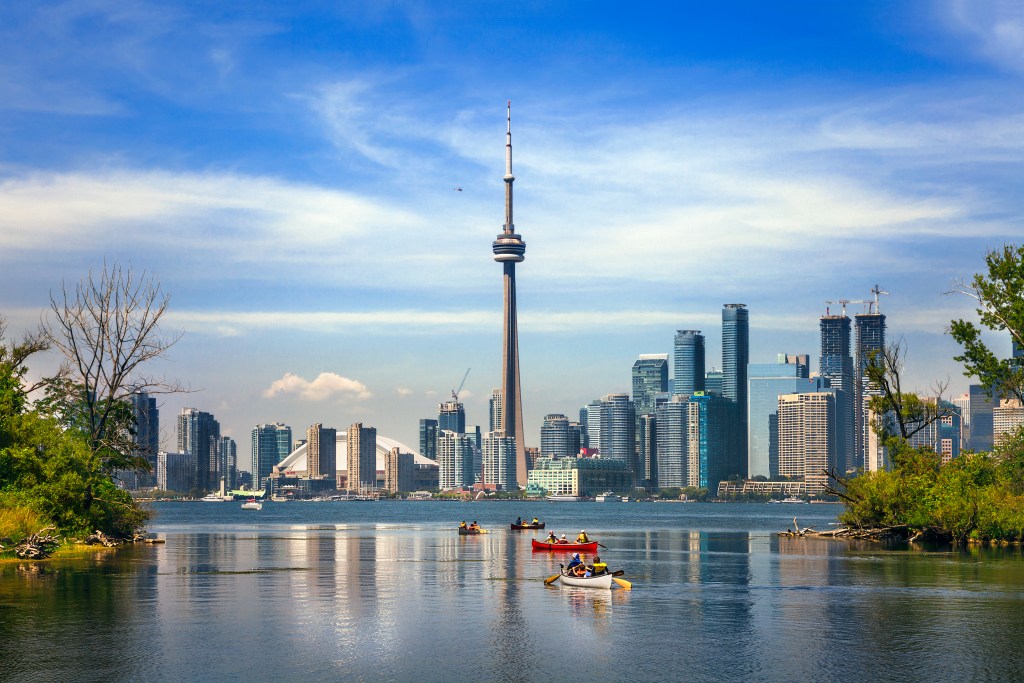
With plenty of parks and open-air plazas to enjoy, Toronto performs well in terms of greenery. However, unlike Montreal and Vancouver, the city doesn’t excel in terms of renewable energy sources. Instead, one of its standout sustainability features is its public transportation, making it easy to get around the city without overpaying for a taxi.
Tenth place: London, UK
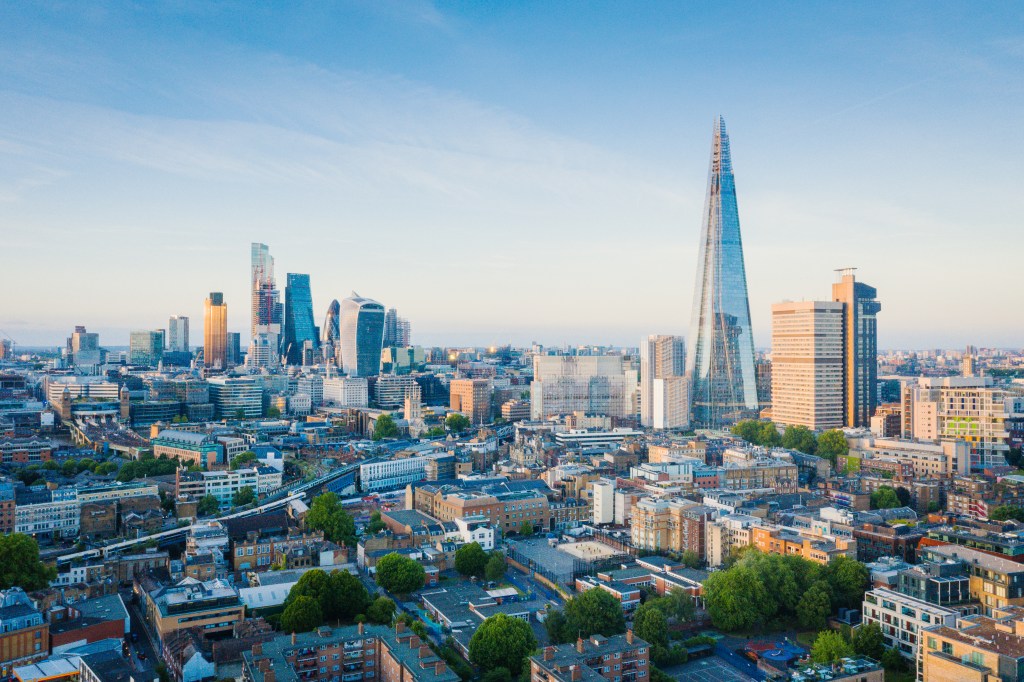
I’m a little shocked to see London on the list—I would have thought Singapore, for example, would outperform the English capital. However, London has a solid number of green areas for residents with 61 square meters per capita. On top of that, its public transportation is reliable and expansive. Lastly, thanks to the introduction of bike lanes, it’s also one of Europe’s more bikeable cities.



