
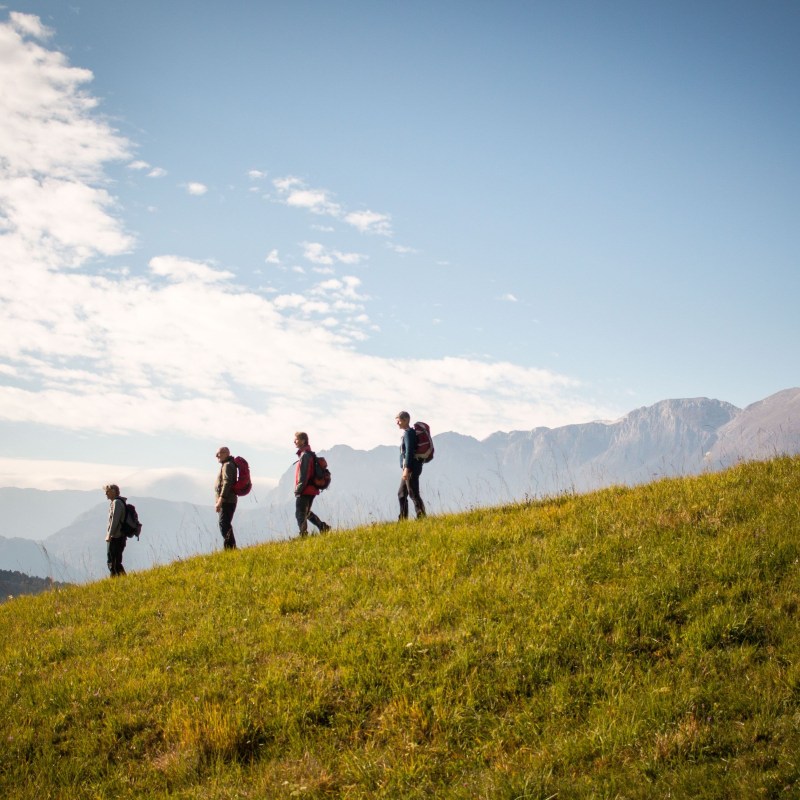
Does the idea of going on a multi-day hiking adventure sound intimidating?
Videos by TravelAwaits
What if I told you there was an adventure company with expert leaders ready to take you out into the fold—from Madagascar to Nepal to New Zealand. Welcome to Much Better Adventures, a highly lauded adventure tour company that brings travelers of all experiences levels into the great outdoors.
The company currently offers over 200 unique adventures in more than 60 countries. There are mountain treks, white-water rafting thrills, skiing trips, and more. All you need to do is start checking adventures based on your experience level. There are seven to choose from, ranging from easy to moderate to challenging to tough.
Or, if you’re still in your solo-adventuring era, you can take a closer look at what Much Better Adventures experts have to say about hiking and trekking in the United States.
The company has shared tips from James Desmond and Chris Kearney, two Senior Expansion Managers who have worked tirelessly to create safety protocols for Much Better Adventures participants. Here’s what we can learn about staying safe at national parks across the United States.
Safety advice for national parks, from experts at Much Better Adventures
According to Desmond and Kearney, these are some of the most important pieces of advice to keep in mind when planning trips through national parks.
First, look for parks that have something for all experience levels. You’ll do well at a park where there are lighter options for beginners. Zion National Park and Bryce Canyon National Park in Utah, along with Yosemite National Park in California, are both great for groups with various experience levels.
Zion and Bryce are located close to one another, meaning you can knock them out in a single trip. Much Better Adventures also has a program that visits both. Kearney also recommends heading to Arches and Canyonlands National Parks in Utah, which are home to short strolls like Delicate Arch.
First-time hikers can prepare at home before heading out on their big adventure. Kearney recommends going on a few local walks with uneven terrain. It’s the perfect chance to break in your boots, too. Try to emulate the hiking route that you’re going on in terms of incline, terrain, and distance.
Once you’re out on the hike, Desmond recommends following a few simple guidelines—regardless of your experience level. First, always have a reliable way of navigating, such as a compass or GPS. Don’t rely solely on your phone. Tell someone where you’re going and when to expect you back so that the alarm is raised if you don’t.
Bring enough food and water to last you—even if the hike takes longer than expected. Lastly, carry basic emergency equipment and know your options should things go awry. You want a few backup plans, even if it’s just turning around.
Desmond also recommends double-checking the route is safe. Before you set out on a hike or trek, make sure you’ve researched the route and destination, including by talking with local guides who have done the same route. Your focus should be on learning about the terrain, what season is best to go, the environment, and gear that you’ll need.
The advice listed here is geared toward adventures at national parks in the United States, but Desmond also has a few tips if you’re going abroad. Check official travel pages at your destination—locals might know about a recent natural hazard or other risks that you wouldn’t have heard of otherwise.
Lastly, here’s what Kearney recommends bringing on your hikes:
- Worn-in hiking boots/trail shoes
- Good hiking socks (multiple pairs)
- A 20-30L daypack
- 2 liters of water
- Layers (moisture-wicking are the best option)
- Sun protection
- Basic first-aid
- High-energy snacks
- A buff or a neck scarf