
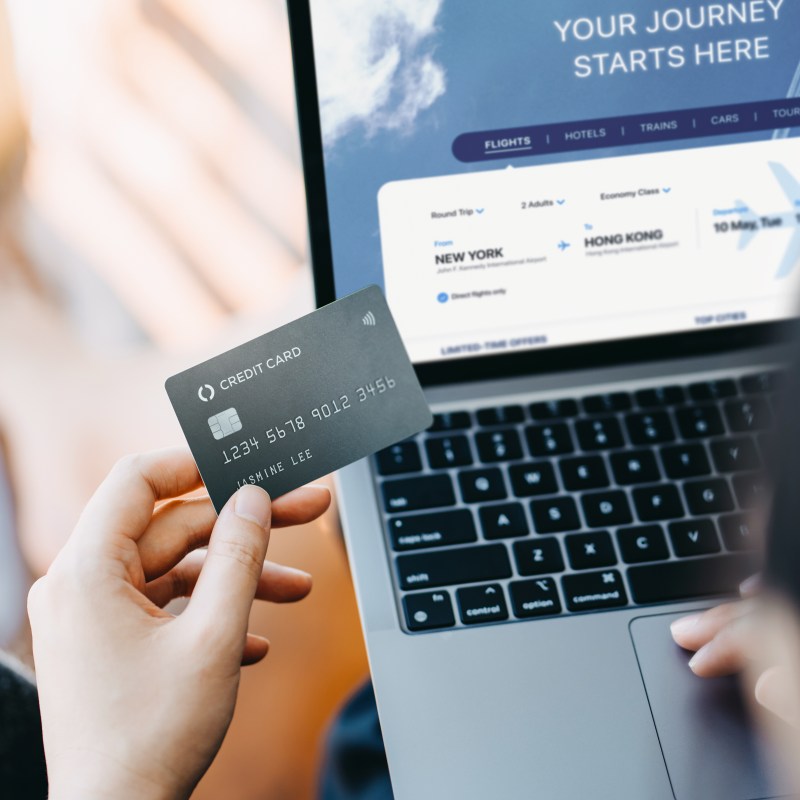
If you’ve ever researched how to save money on flights, I’m sure you’ve heard about the VPN trick.
Videos by TravelAwaits
If not, let me catch you up. The VPN trick is designed to help you avoid surge pricing. Surge pricing occurs when a lot of people are trying to book flights at the same time. Because demand is high, airlines tick up the prices because they know we’ll pay it. A VPN can change your IP address to look like you’re booking flights from a different location.
Some swear by the VPN trick. Others say it hasn’t worked out for them since airlines have, theoretically, wizened up to the trick.
I have bad news: There’s yet another trick from airlines that could be driving up air travel costs. Welcome to surveillance pricing—a tactic in which airlines could track your spending across multiple platforms to figure out how much you’d be willing to pay. Let’s dig in.
What is surveillance pricing? And how do airlines use it to overcharge passengers?
Surveillance pricing is exactly like it sounds—airlines rely on surveillance tactics to drive up prices based on what they think you’d be willing to pay. They land on a price point based on how you interact with other platforms, websites, and apps—hence, the surveillance.
How does this happen? Cookies are data-tracking features that websites use. Many websites sell this data to other companies—which an airline could, theoretically, access. Airlines also have access to data from their own platforms, meaning they might be gauging your consumer tendencies based on your direct interactions with their platform.
The FTC dove into this topic last January, if you want to explore more. Just know this: Companies are tracking your consumer behavior, and they’re using it to set prices.
How to avoid surveillance pricing
I’m sorry to have broken the news about surveillance pricing—but there’s a silver lining. Surveillance depends on a few different factors.
First, you can always go ‘incognito’ when you browse the internet. Just head to your browser app’s settings, then look for an incognito window option. This means that search results won’t be tailored to your previous searches using an algorithm or your location.
Second, you can clear your ‘cookies’ cache. Head to your browser settings to do this. Once you’ve deleted those cookies, your browser won’t have your history to work with. There’s less information to use to price gauge, in other words.
Lastly, turn off location tracking. This works like the VPN trick used to, letting you avoid price gauging based on where you’re located. (For example, New York City prices will be higher than those in Missouri.)
Inside the JetBlue surveillance pricing controversy
Are airlines actually using surveillance pricing to drive up ticket prices for customers they think will pay more? And is it legal?
Currently, surveillance pricing is legal because there’s no federal law preventing it, nor is there a regulatory body to monitor surveillance pricing practices. However, some states have started to push back, including New York and California. New York, for example, could require companies to put a disclaimer on surveillance pricing, such as ‘This price was set by an algorithm using your personal data’.
So, while it’s not currently illegal, states might clamp down on transparency.
Recently, JetBlue shed light on this topic. When an upset passenger tagged the airline on social media to complain that flights had jumped by $250 overnight, and she was traveling for a funeral, the company responded in a post. The post suggested she clear her cookies and use an incognito mode—which are two tactics outlined earlier.
In other words, the airline’s reply seemed to confirm the presence of surveillance pricing algorithms. Since then, public outcry has mounted as passengers seek information on how surveillance pricing works and how their personal data is being used against them.