
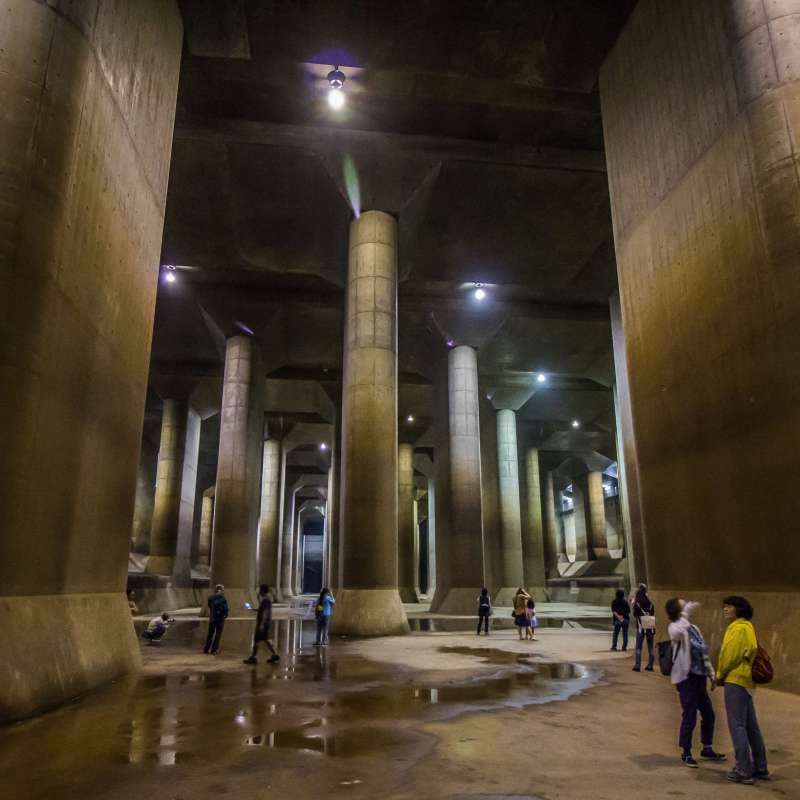
In celebration of Montreal’s RESO, I’ve started to wonder—what other cities have underground cities hiding just below their busiest streets? And why were these underground channels created?
Videos by TravelAwaits
While most modern cities have a subterranean train system, like NYC’s famous Subway, some metropolises also have bona fide neighborhoods located underground. Some are crypts, some are shopping malls, and some are used for transportation during brutal winters.
While I haven’t included many subway transit networks as underground cities, some are. The NYC Subway, for example, has some of the city’s coolest works of art for passengers to admire, meaning it’s also partly a museum.
If you’re intrigued by a city with layers, here’s where to go.
To clarify: I’m covering cities with active underground networks, not ancient sites like Turkey’s impressive Derinkuyu, Paris’s catacombs, or Portland’s now-defunct Shanghai Tunnels. Additionally, I’m not covering underground bunkers that were built as shelters and serve no modern purpose, like Beijing’s Dixia Cheng.
Destinations around the world with underground cities
RESO (Montreal, Canada)
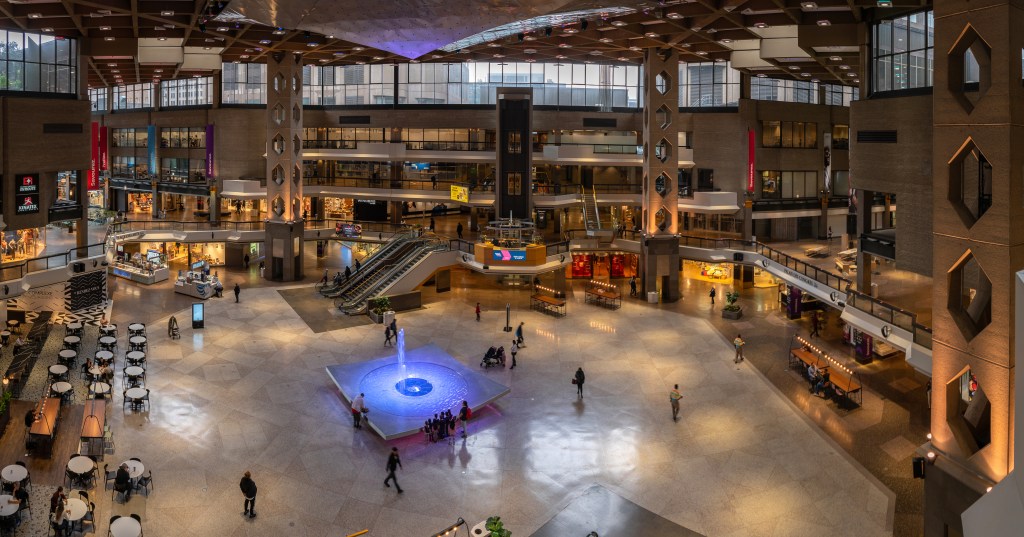
RÉSO, a portmanteau of the French word for networks or ‘réseau, is a pedestrian underground that spans much of downtown Montreal. It’s used by pedestrians to get around during the brutal Canadian winters, as well as a shopping center and dining.
- Size: 20 miles long, 4.5 square miles
- How to explore: RÉSO is easily accessible from multiple locations in downtown Montreal, along with multiple metro stops. You can also explore RÉSO via a guided tour, or do your own thing using recommendations from Visit Montreal.
Asematunneli & more (Helsinki, Finland)
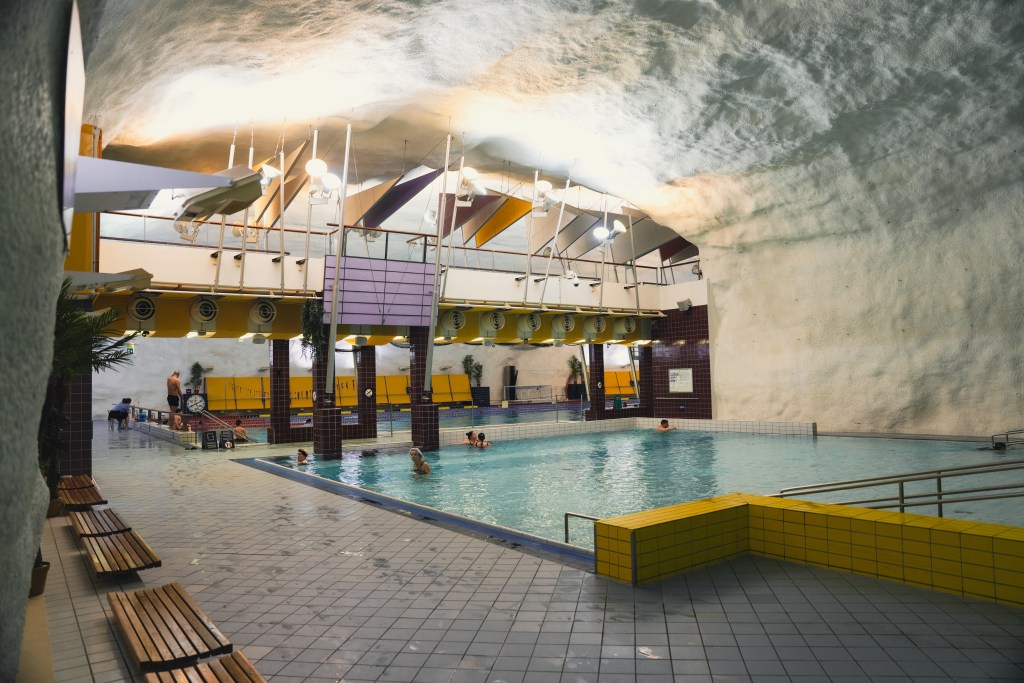
Originally built to protect residents during potential attacks during the Soviet Era, Helsinki has multiple underground networks with around 500 facilities spanning 186 square miles. They’re vast enough to shelter a whopping one million people—meaning there has been plenty of space to convert to shopping, offices, pedestrian walkways, and more since the end of the Soviet Era. There are swimming pools, ice rinks, museums, and even a church.
- Size: 186 miles long
- How to explore: Because Helsinki’s tunnel systems aren’t uniform, there’s no single way to experience its underground. I recommend focusing on Asematunneli, the largest of its underground cities. You can book a private city tour and ask to explore the underground city. You can also take it on yourself using this city guide.
Whity Umeda (Osaka, Japan)
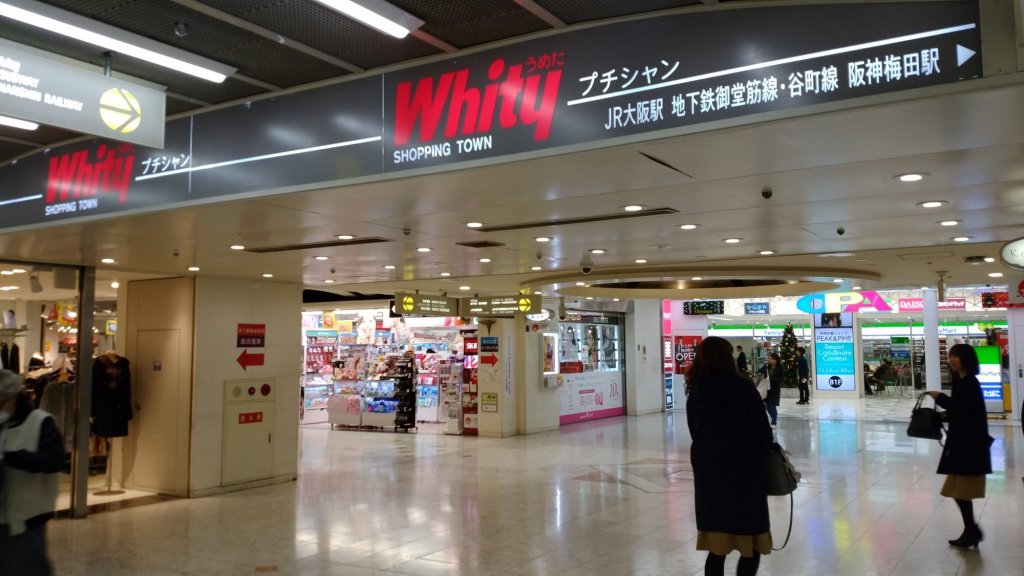
This massive shopping center is one of the largest in Japan—and it’s located entirely underground. There are close to 200 shops and restaurants to enjoy.
- Size: ~1 mile long
- How to explore: You can easily explore Whity Umeda using maps placed around the mall. It’s accessible straight from the metro line, as well. I recommend checking out this guide from Agoda. This area also includes access to two other malls, Diamor Osaka and Dojima Underground Center.
Tenjin Chikagai (Fukuoka, Japan)
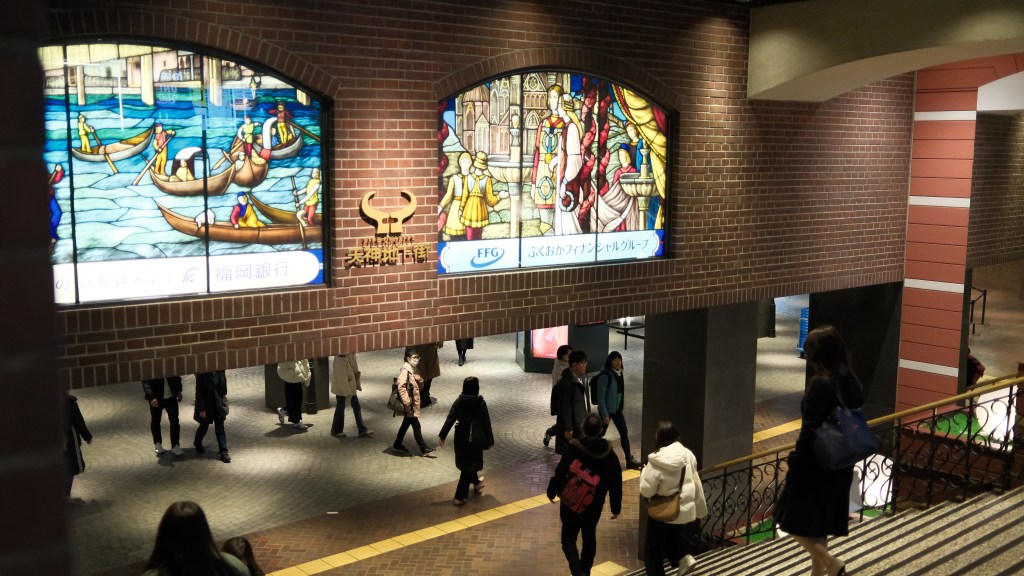
This grand mall is newly built and has boutique vibes. You can find specialty shops for clothing, books, food, and beauty products. There are over 150 shops to explore, along with restaurants.
- Size: Less than .5 miles
- How to explore: You can enter at the Tenjin and Tenjin-Minami subway stations in central Fukuoka.
SubTropolis (Kansas City, USA)
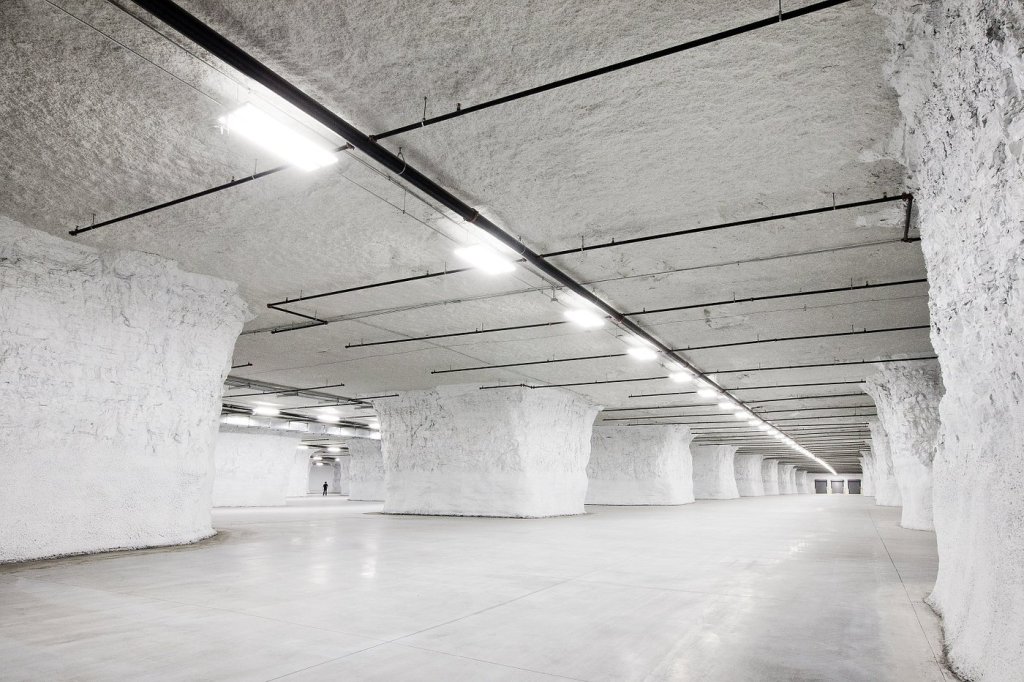
SubTropolis is Missouri’s secret underground city—and it’s also the largest underground business complex in the world. It gets more surprising. SubTropolis is located inside a renovated limestone mine (formerly the Bethany Falls mine), which formed 270 million years ago. That means one thing: Temperatures stay cool in SubTropolis, which is home to around 55 companies.
- Size: 2 square miles
- How to explore: You can visit SupTropolis by driving through it—the underground city has around eight miles of road that wind through its facilities. You can also take a guided tour or book a reservation at one of SupTropolis’s businesses that are open to the public.
The Pedway (Chicago, USA)
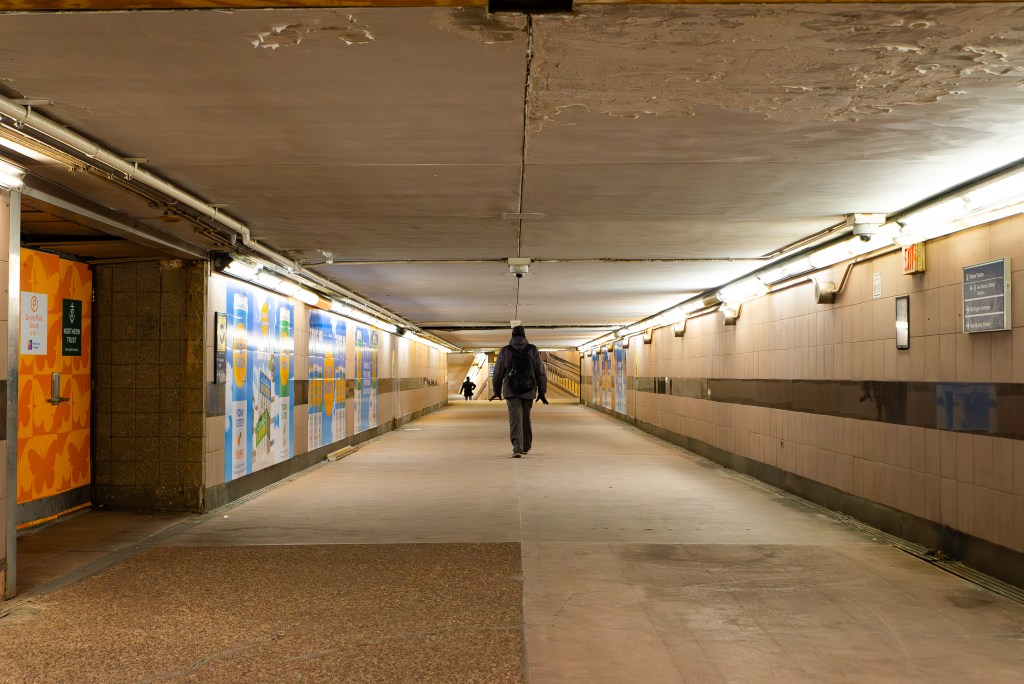
The Pedway in Chicago is a pedestrian tunnel that makes life a little more manageable for residents during the city’s long, windy winters (and its humid summers). It covers around 40 blocks in Chicago’s CBD. It’s not the prettiest place in the world, but it’s one of the coolest networks to check out when you’re visiting. It could also save you from freezing during a short walk in winter.
- Size: Around five miles
- How to explore: If you’re exploring downtown Chicago on foot, keep a map of The Pedway with you.
G-Cans (Tokyo, Japan)
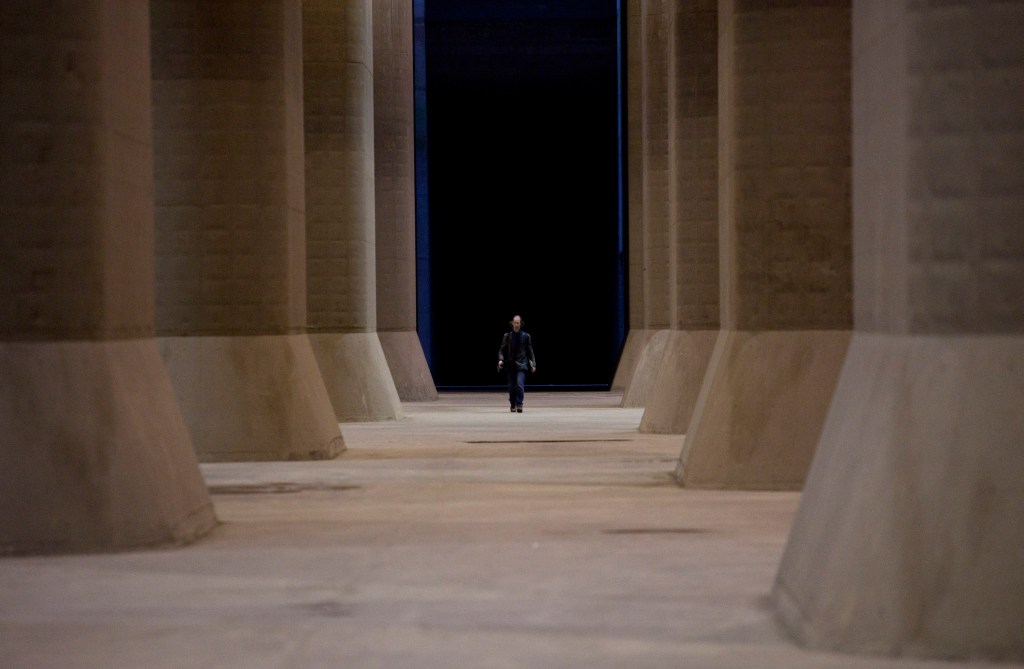
G-Cans, also called the Metropolitan Area Outer Underground Discharge Channel, is a floodwater diversion facility located below Tokyo. It’s not used for commerce or as a pedestrian resource, but it’s open to the public, and it’s a sight to behold. One of the largest tanks is even called the Underground Temple—and it deserves the moniker thanks to its scale. Think: Something out of a Dune set.
- Size: 4 miles of tunnels
- How to explore: You can only explore G-Cans with the help of an official guide. It’s located in Kusakabe outside of central Tokyo, which you can reach via train or bus. I recommend booking with a tour guide, as tickets sell out quickly.
