

Nobody plans to visit their bucket list destination when monsoon season hits—but rain happens.
Videos by TravelAwaits
Rain showers come and go in many places, especially in autumn and spring. Other regions might have a bona fide dry or wet season. Then there are inclement storms, like those that come around in hurricane season. Some destinations might just be prone to rain year-round.
That doesn’t mean you shouldn’t visit—it just means you need to know how to pack for rainy weather.
Here’s how to nail your rainy destination packing list, whether hitting the tropics or heading into cold, winter rains.
How to pack for rainy weather—the basics
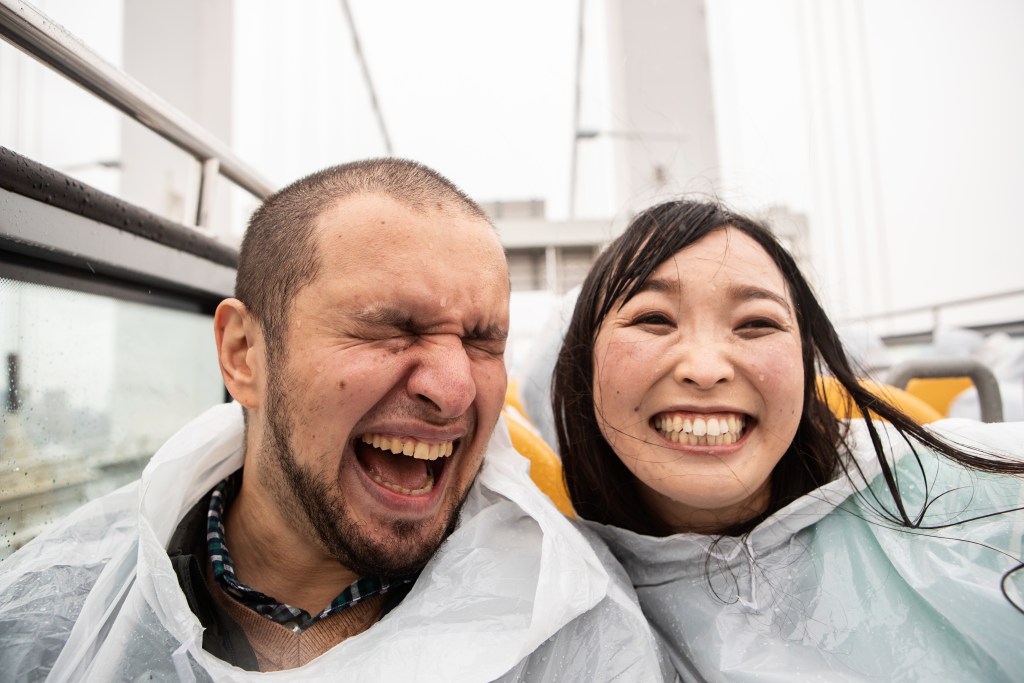
Regardless of where you’re going and what the temperatures will be like, here’s the most basic advice on packing for the rain:
- You need (at least) two pairs of shoes. Ideally, they should be waterproof or water-resistant. If you’re expecting a lot of rain, boots and galoshes might be a good idea. Foldable rain boots are now a thing, just in case that tip sounded a little crazy.
- Synthetic fabrics will dry faster. I usually recommend packing natural fiber clothing, especially for warmer climates. That being said, synthetic fabrics like ripstop nylon will dry quickly, even if there’s some humidity.
- Go with dark fabrics. Lots of rain = lots of splashing = lots of mystery stains on light-colored clothes. That goes for shoes, too!
- Bring a dry bag or two. Dry bags are bags that are fully waterproof and are used for transporting electronics like photography gear when floods and rain are on the horizon. You can buy a bona fide dry bag, if you want—or bring your own DIY version. You’ll need them in your bag in case you get dumped on. Ziplock bags work like a charm.
- Speaking of bags—you need a waterproof or resistant solution. Whether you like to bring a backpack as a day bag, a tote, or a purse, it should be ready to handle the rain. You’ll have your dry bag inside, just in case—but you don’t want all your gear to get soaked every time you leave your hotel. You can always buy a waterproof bag cover.
- Did you know that rain hats are a thing? If you’ll be trekking and otherwise spending lots of time outdoors in the rain, rain hats can help you avoid getting droplets in your eyes. In short, you can enjoy the view even when a shower passes through.
- Rain jackets, umbrellas, & ponchos. I personally prefer a poncho over a rain jacket or an umbrella. Take away my poncho, and I’ll take the umbrella. I imagine everyone has a different preference when it comes to rain coverage—just know there isn’t a right or wrong answer. The best way to figure out what works is to look for rain-related tips related to your destination. Locals probably have some advice.
How to pack for rainy weather—tropical heat versus cold climates
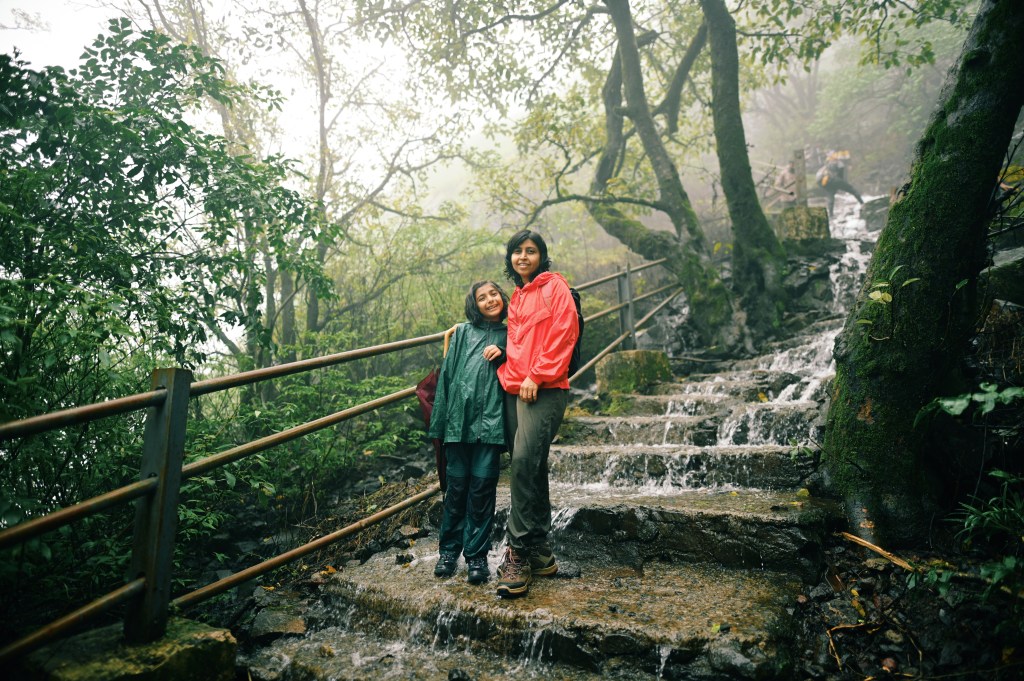
If you’re heading to a warm tropical zone, here’s what to keep in mind:
- Sandals, flip-flops, slip-ons, and even Crocs are a great choice in shoes. In short, you don’t just want waterproof shoes—you want waterproof sandals. I recommend keeping one ‘wet-ready’ pair that you can wear in the rain, then another ‘dry pair’ for nicer occasions.
- Ponchos are ideal for on-off showers. The rainy season in tropical zones can involve storms that come and go in a flash. Ponchos, whether disposable or hardier types, are the easiest to manage when it comes to taking them on and off, along with giving you full body coverage. Most come with hoods, too.
- Don’t forget about your bottoms. Make sure that, if you’re wearing pants, they’re made of fabric that will dry quickly. Usually, lightweight pants made from polyester, nylon, and linen will dry quickly.
- Consider bringing insect repellent. Where there’s rain and warmth, there are often bugs, too.
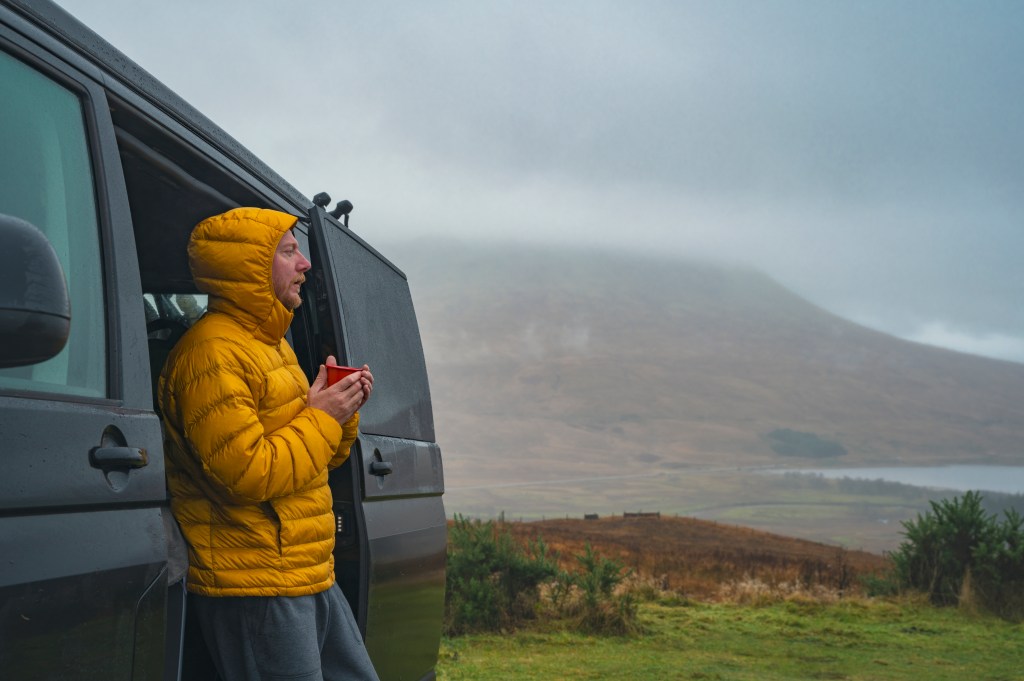
If you’re visiting a colder climate that’s prone to rain, keep this in mind instead:
- Rain jackets can keep you warmer than umbrellas or ponchos. Some rain jackets also have an ‘outer shell’ that you can take on or off, depending on how much waterproof resistance you need. You can also look for rain jackets that have zips for ventilation, like in the armpits.
- Layering is the name of the game. Make sure your base layer is made of a material that will soak up your sweat. If you’re layering for warmth, your heaviest layer should be the mid-layer—not your outer rain jacket. Avoid cotton—it keeps moisture and won’t keep you as warm.
- Pants are really important, too. If you’re heading into a cold-weather climate that’s prone to rain, invest in water-resistant pants. There’s no use buying a top-notch rain jacket if your thighs are going to be soaked in chilly water for the day.
