
Last year, I researched the world’s deadliest travel destinations and activities for an article.
Videos by TravelAwaits
I was surprised by the results. Nobody has ever died from swimming with sharks. Nobody has ever fallen off Devil’s Pool at the top of Victoria’s Falls.
Instead, two other hotspots landed on my radar. First, Death Valley, United States—which actually tops the list in terms of overall tourist death count. Second, Reynisfjara Beach, Iceland’s famous black-sand stretch on its southern coast. While the latter didn’t make the list (too few bodies compared to places like Death Valley and Mount Everest), it struck me as memorable.
Reynisfjara Beach is a popular stop for travelers road-tripping around the island. It’s also one of the world’s deadliest places to check out, thanks to the presence of rogue waves or sneaker waves. Rogue waves are sudden waves that can rise up to one hundred feet and knock out everything in their path.
In total, six people died at Reynisfjara Beach between 2007 and 2025. Unfortunately, last August, a young German girl lost her life when vacationing in the area.
During recent storms with unusually powerful winds moving in new patterns, massive currents swept onto Reynisfjara Beach once again. This time, they wiped out most of the beach and its famous basalt sea stack columns.
Here’s what we know about the current state of the beach, along with why it has changed so much in recent weeks.
What happened to Reynisfjara Beach in Iceland?

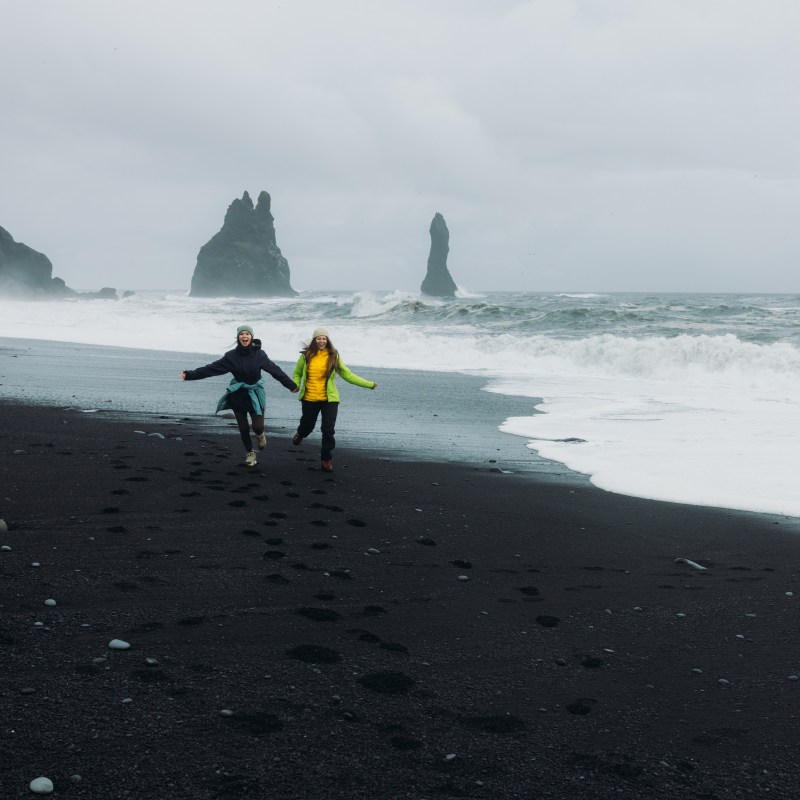
As stated, heavy winter storms have caused physical changes at Reynisfjara Beach. Previously, there was a wide stretch of black-sand beach that led out to the water. This was framed by dramatic cliffs and sea salt columns that were popular spots for photoshoots.
In the last few weeks, heavy erosion has caused the beach to disappear quickly. Sands were swept out to sea, leaving a stark drop-off where the beach used to be. According to a coastal engineer working for Iceland’s Icelandic Road Administration, the changes were caused by easterly winds, which aren’t common.
Additionally, small landslides have compromised the path that leads down to the beach. The changes are so drastic that some locals are calling for Icelandic authorities to create a patrol to prevent any more casualties at the beach.
