
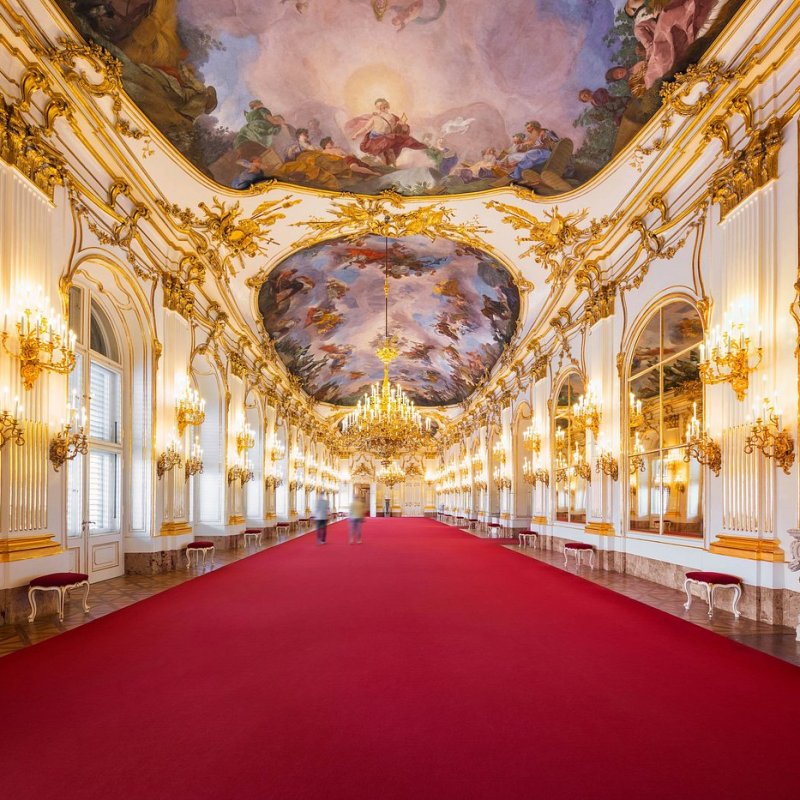
I’m a Klimt Girly, which is just Millennial speak for being a fan of Gustav Klimt.
Videos by TravelAwaits
If you’re even vaguely into fine arts, you probably know about the famous Austrian painter. Even if you’re not, I’m sure you’ve seen a few images of his most famous painting, ‘The Kiss’.
When I visited Vienna a few years ago, I was hyper-focused on finding galleries with Klimt pieces and visiting his studio, which the city has preserved. I had very little idea that Vienna’s palatial tendencies would capture my heart instead. (I also had no idea I was heading to the birthplace of the Sacher, but that’s another story.)
I would quickly realize, based on the tourist brochures and signage around the city that it was hiding palaces. Many palaces. Austria as a whole is home to around 1,000 palaces, castles, and similarly grand historic structures. Vienna alone has more than a dozen in its city streets. Some are privately owned, others are used sparingly for public events.
Most are open to the public for casual visits. Cut to me walking through Schonbrun and Albertina with my jaw sagging toward the floor. Though I had visited Neuschwanstein Castle in Bavaria almost a decade earlier, it wasn’t nearly as ornate or awe-inspiring as what I saw in Vienna.
If you’re heading to Austria’s capital, don’t skip out on palaces in Vienna. Sure, you can’t visit them all (in a short trip), but you can pencil in time for a few. (If you’ll be sticking to Germany on your next European adventure, check out these German palaces instead.)
Palaces in Vienna that are worth a visit
Schönbrunn Palace
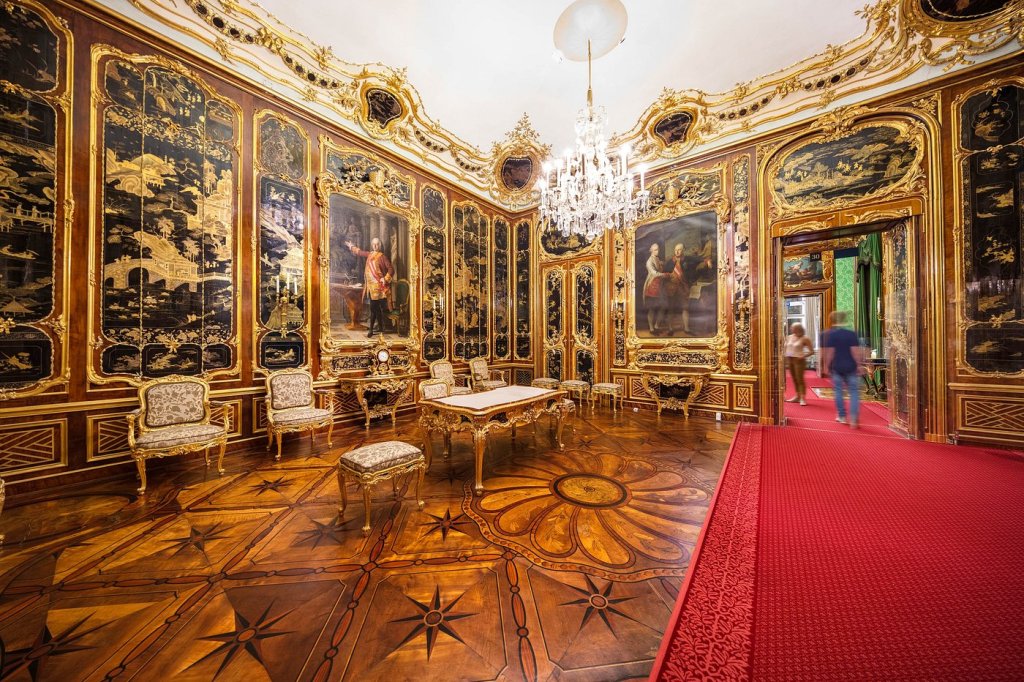
A UNESCO World Heritage Site and the largest palace in Austria, you won’t miss out on chances to visit Schönbrunn Palace. While I’m not usually a fan of the big-boy attraction, Schönbrunn Palace meets the hype. Actually, it surpasses the hype because you aren’t looking at recreations of imperial life.
Schönbrunn Palace is home to the actual residential and state rooms that still have the same furniture and décor that Austria’s rulers used. It’s a no-holds-barred look at Old World opulence—that’s easily accessible via Vienna’s pubic transportation, no less. The gardens out back are equally impressive.
Take a guided tour of Schonbrunn Palace
Albertina
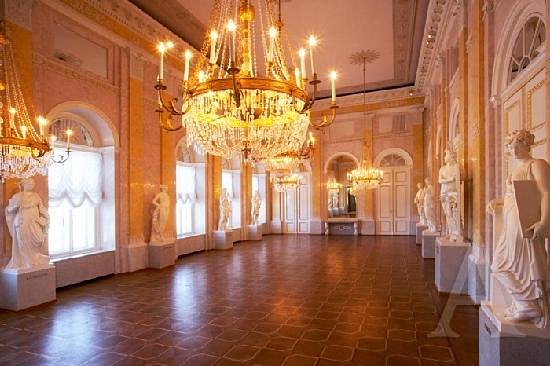
After getting my mind blown at Schönbrunn Palace, I quickly looked for other palaces to explore. Albertina is located smack in the middle of the city. It’s part palace, part art collection, part museum. I recommend exploring its art exhibits—they’re home to pieces from Monet, Picasso, Michelangelo, and Rembrandt, to name a few.
But don’t skip the Habsburg Historic Staterooms. That’s where you’ll see even more residential areas and state rooms that were occupied by the actual Habsburgs. Just watch out for ghosts. I’m not a superstitious person, but as soon as I stepped into one of the palace rooms, I got a little spooked—and a tour guide quickly asked if anyone felt that way. Turns out, it’s a common feeling that visitors get when they visit the quarters where the king died.
On a side note, I had an absolute field day snapping photos of myself in Albertina. There are tons of mirrors, in case you like a little DIY imperial photo shoot.
Take a guided tour of Albertina
Kunsthistorisches Museum
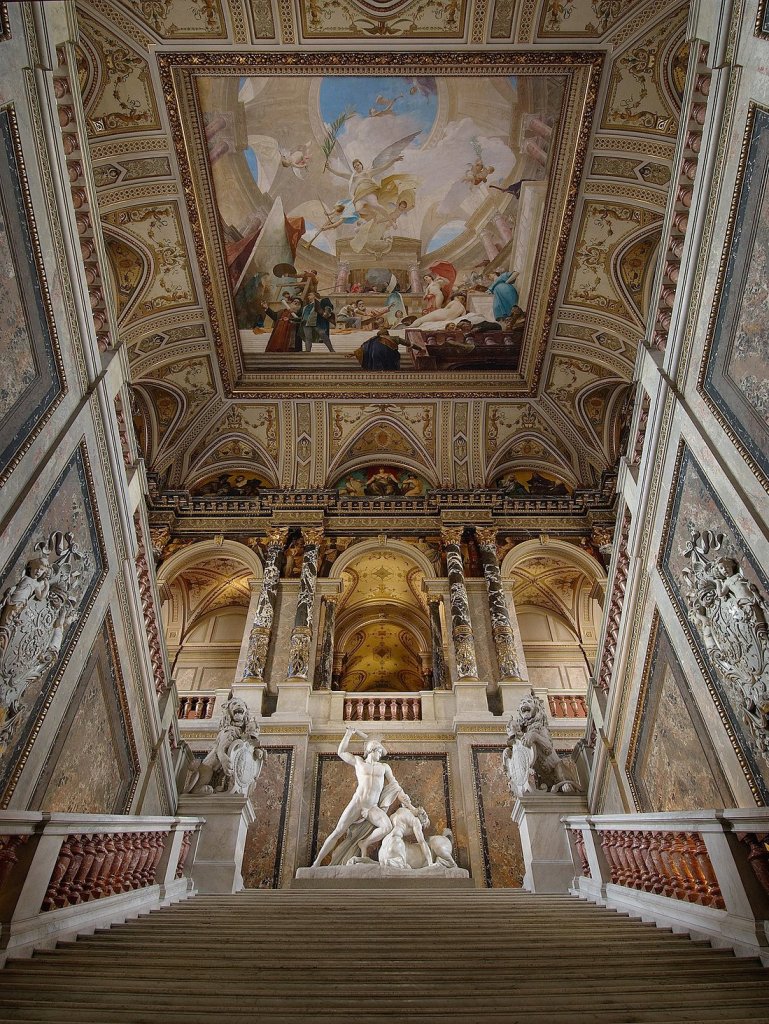
If you’re wondering what that big scary word means, it’s Museum of Art History. The Kunsthistorisches Museum was built back in 1891 to function as a public art museum—something that Austria-Hungary’s last reigning emperors were focused on. Given that its construction occurred during the reign of the Habsburgs, the entire museum feels like a palace.
You’ll find works of art that span five millennia, from Ancient Egypt to contemporary pieces, along with instruments and regalia from the Middle Ages. What I liked about the museum is that curators have lists of must-sees that are designed for art-lovers, meaning you don’t need a background in art history to appreciate what you’re looking at.
Take a guided tour of the Kunsthistorisches Museum
The Hofburg
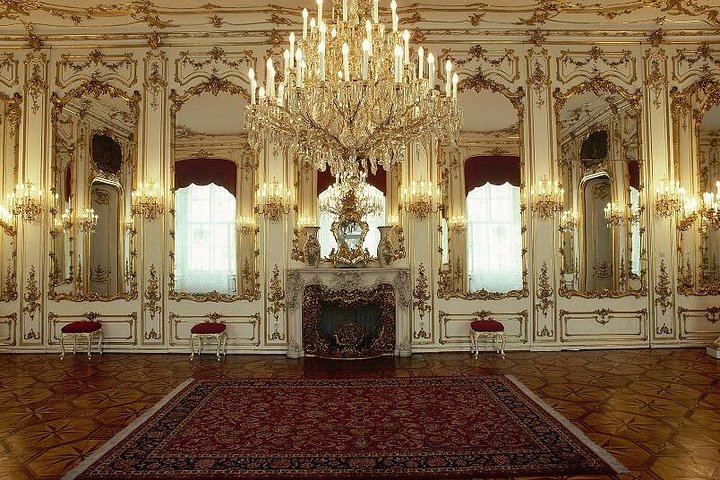
If you’re a history nerd, or even just a fan of the new Netflix series The Empress, you might know a thing or two about Empress Elisabeth, lovingly known as Sisi. The Hofburg, though not as large as Schönbrunn, was the main hub for the Habsburgs, including both court affairs and their personal lives. It’s a prime spot to learn about Sisi and get a closer look at her daily life.
The Hofburg has an Imperial Apartment exhibit that includes original furnishings and decorations. There’s also a separate Sisi Museum that has even more furniture and items that once belonged to the Empress.
Take a guided tour of The Hofburg
St. Peter’s Church
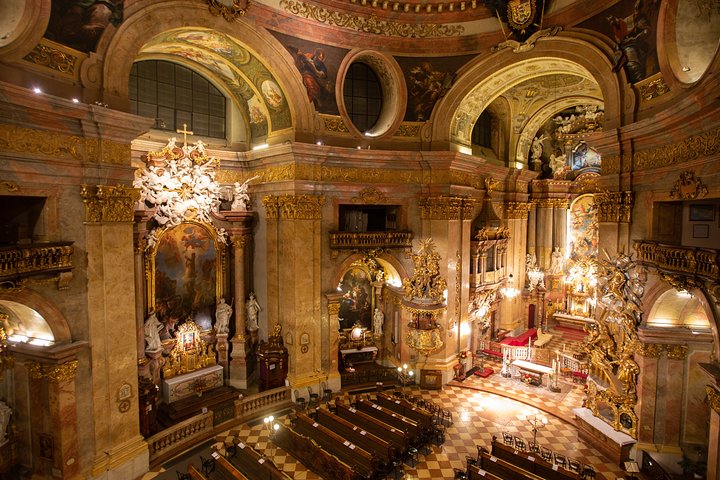
Like the Art History Museum, this isn’t a palace, but you’ll be staring around in wonder when you visit to enjoy a musical performance. Today, three groups use St. Peter’s Church as a performance stage: a local choir, a soloist society, and a historical troupe that plays on period instruments.
You can visit the church and poke your head inside to gawk at its baroque details. However, if you really want to get the full experience, attend a concert or performance at the church. It’s regularly used for weekly shows and smaller events, including student concerts.
Enjoy a concert at St Peter’s Church
Belvedere Palace
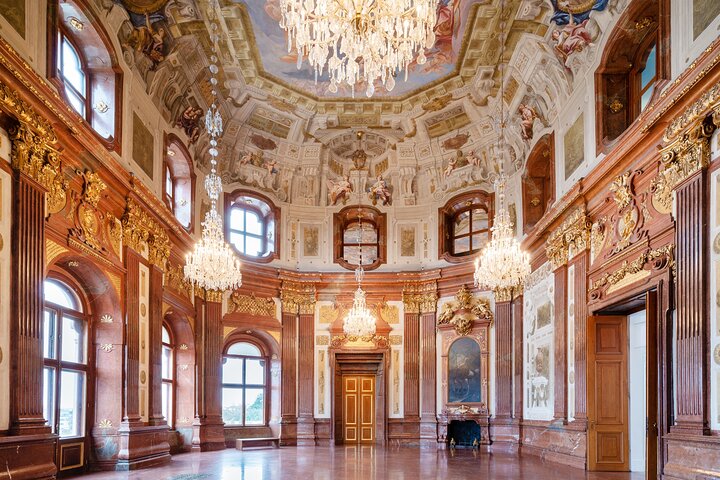
Eventually, I realized that ‘The Kiss’ by Gustav Klimt is located inside a palace, and that I could find it on the upper floor of Belvedere Palace. This baroque castle is home to three different locations: Upper Belvedere Palace, Lower Belvedere Palace, and the Schwarzenberg Palace (now a hotel).
The Belvedere Palaces now function as art history museums. You can explore the Austrian Baroque Art Museum, the Austrian Museum of Medieval Art, and the Austrian Art Gallery. The Austrian Art Gallery is where you’ll find Klimt’s famous pieces.
Take a guided tour of the Upper Belvedere
Hermesvilla
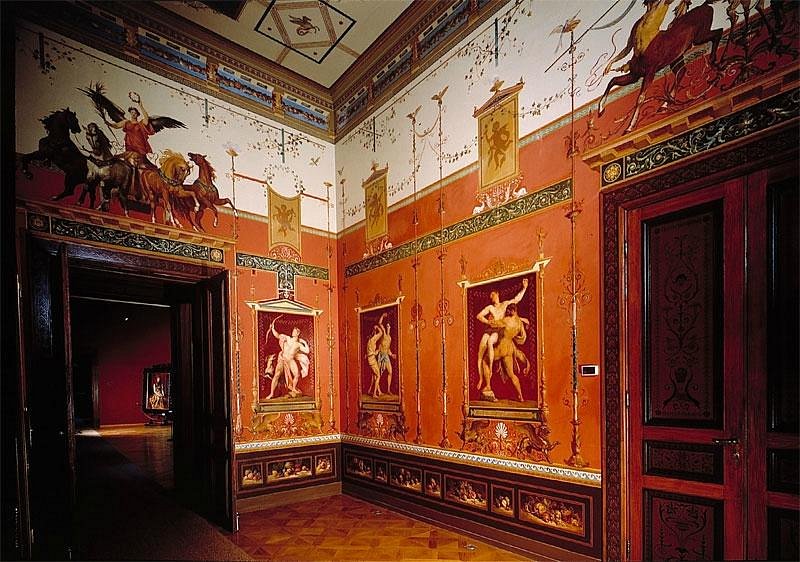
Here’s a little more Austrian history for you: Empress Elisabeth, aka Sisi, loved to travel. To convince her to spend more time in Vienna, her husband, Emperor Franz-Joseph, built her this mini-palace on the outskirts of the city. Technically, it’s a small villa called the Palace of Dreams or Hermesvilla. Once again, a tour gives you an up-close look at how the emperors lived in the late 1800s.
You get to see Sisi’s bedroom, learn about her daily routines (which included working out), and even check out her fashion collection. If you’re not interested in the Empress, the grounds still have enough lush décor and world-class pieces of art to keep your attention for a two-hour tour.
Explore how to visit Hermesvilla
