
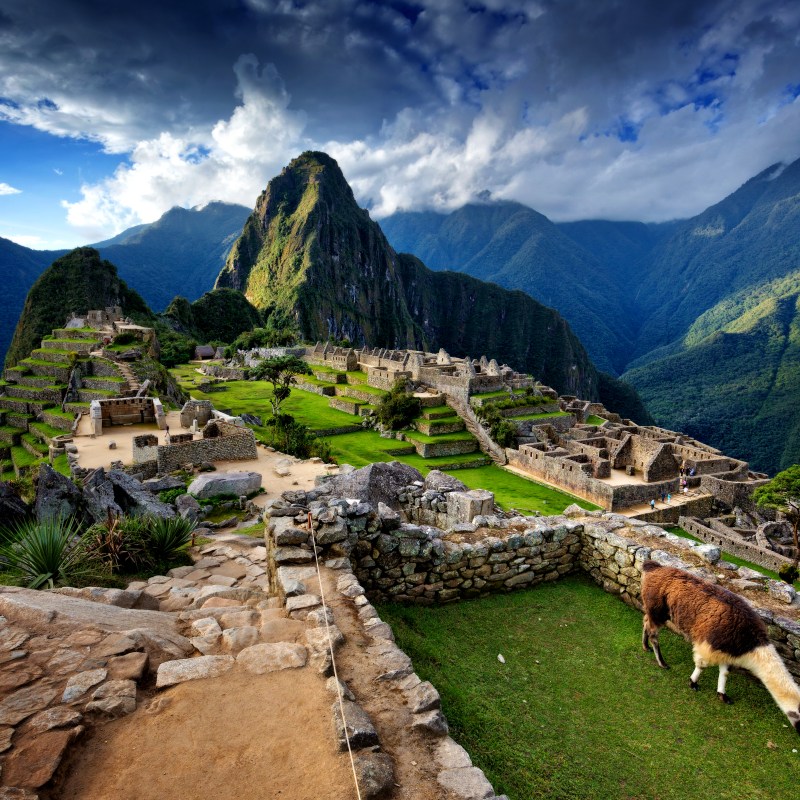
Last year, Peruvian officials changed the tour guidelines for Machu Picchu. The changes were simple and mirrored efforts to reduce tourism impact at other historic, natural landmarks around the world.
Videos by TravelAwaits
Officials created time slots for tourists to visit and began requiring tourists to sign up with registered guides. Those time slots are divided by different sites within the Machu Picchu grounds, meaning tourists can only access specific sites at certain times. Additionally, each site has a specific route.
The new setup also capped the number of tourists able to enter Machu Picchu each day at 5,600 during peak season. In total, no more than 2,400 tourists should be on the grounds at the same time.
Less than one year later, yet another change is about to shake up Machu Picchu tourism: A new airport. Chinchero International Airport, which will open its doors in Cusco in late 2027. The goal is to streamline Machu Picchu tourism and alleviate stressors on transportation infrastructure from Lima to Cusco.
It’s also believed that Chinchero International Airport would increase tourism numbers by 200%, which doesn’t really make sense given Machu Picchu’s new cap on daily visitors. According to Hedder Guispe Puente de la Vega, who founded and manages the Cusco-based Machu Picchu tourism company called Machu Travel Peru, that’s just the start of the potential risks.
Inside the potential ramifications of the new airport in Machu Picchu
Puente de la Vega is a Cusco local who founded Machu Travel Peru back in 2011. It’s since become one of the premier luxury private tour companies serving the Andes—one that excels in social programs and sustainability efforts.
(I haven’t traveled with them, but the company looks like an awesome pick if you want a private tour of Machu Picchu and other Andean sites. They run small group tours that max out at eight people and steer you far away from the mass tourist sites.)
According to Puente de la Vega, Chinchero International Airport will help improve transportation infrastructure for Cusco—which is a clear win. However, he’s more worried about the impact that boosted tourist numbers could have on the sacred site when not managed properly.
He doesn’t just want to bring more visitors. He wants to make sure they have a safe, orderly, and respectful way to visit Peru’s cultural, natural, and historic heritage. And he’s not all doom-and-gloom about what the future holds.
Puente de la Vega says of the new airport, “This is not a threat, but an opportunity. Preservation depends on collaboration. With clear capacity limits and proper planning, tourism can remain an opportunity for the region rather than a burden.”
Currently, Machu Picchu tourism numbers are lower than they were pre-pandemic, back in 2019. The newly rolled out ticketing and time slot system has improved the overall visitor experience. Now, he’s hopeful that the new operations will set the stage to preserve Cusco as the new airport is completed.
Still, Puente de la Vega has one clear piece of advice for anyone worried about putting undue stress on major tourist landmarks like Machu Picchu: diversify your trip. When he organizes tours, Machu Picchu is only one stop on a diverse list of landmarks in the Andes and throughout the Sacred Valley.
