
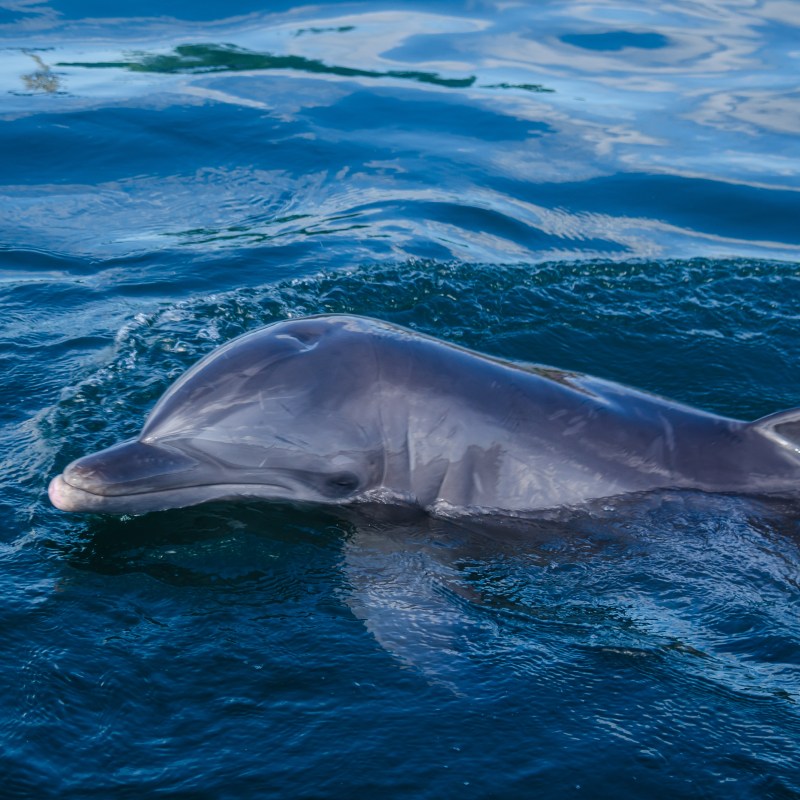
Last autumn, I reported on a major ruling in Mexico that banned dolphin shows and interactive dolphin experiences.
Videos by TravelAwaits
The ruling was considered a major win for animal rights activist groups, especially considering the recent death of a performing dolphin named Mincho due to subpar living conditions at his home at Hotel Barceló in the Riviera Maya.
Some have dubbed the legal changes ‘Mincho’s Law’ or, in Spanish, ‘Ley Mincho’. After decades of activist groups advocating for the release of captive dolphins, Mexico’s Chamber of Duties announced plans to release all dolphins to seaside sanctuaries within 18 months. It also prohibits the capture and captivity of any marine mammals.
However, the ruling was just that—a legal ruling. The 18-month marker from the June 2025 decision doesn’t end until December 2026. That means that some dolphin shows are still running, and management still has time to figure out where to release its dolphins before the deadline.
Would it actually be enforced? And what would the relocation process look like for around 350 dolphins that were born in captivity or captured in the wild, and might have ongoing health issues?
Here’s what we know about Mexico’s dolphin relocations.
Inside Mexico’s move to relocate approximately 350 dolphins
Mexico has not banned dolphin research and even captivity projects that revolve around conservation and research projects. In other words, the Ministry of Environment and Natural Resources isn’t cutting off scientific work related to dolphins, marine conservation, and research studies.
Instead, the Ministry of Environment and Natural Resources (SEMARNAT) will help entertainment venues that had dolphin performances and ‘therapy sessions’ transfer their pods to seaside sanctuaries. Operators were required to submit health records, identifying photos, and microchip data within 90 days of the original June 2025 ruling.
Now, SEMARNAT will oversee transfers, inspect sanctuaries, and enforce penalties for entertainment venues that don’t meet new standards. Seaside sanctuaries have been expanded and improved in recent months in preparation for their new dolphin inhabitants. They’re located in places like the Bay of Campeche in the Caribbean.
SEMARNAT will allow these sanctuaries to be used for scientific research so long as it benefits dolphins, habitat conservation, and their health. However, it’s unclear how many of Mexico’s approximately 350 captive dolphins have been moved to these sanctuaries. Again, the 18-month deadline to relocate working dolphins doesn’t end until late 2026.
