
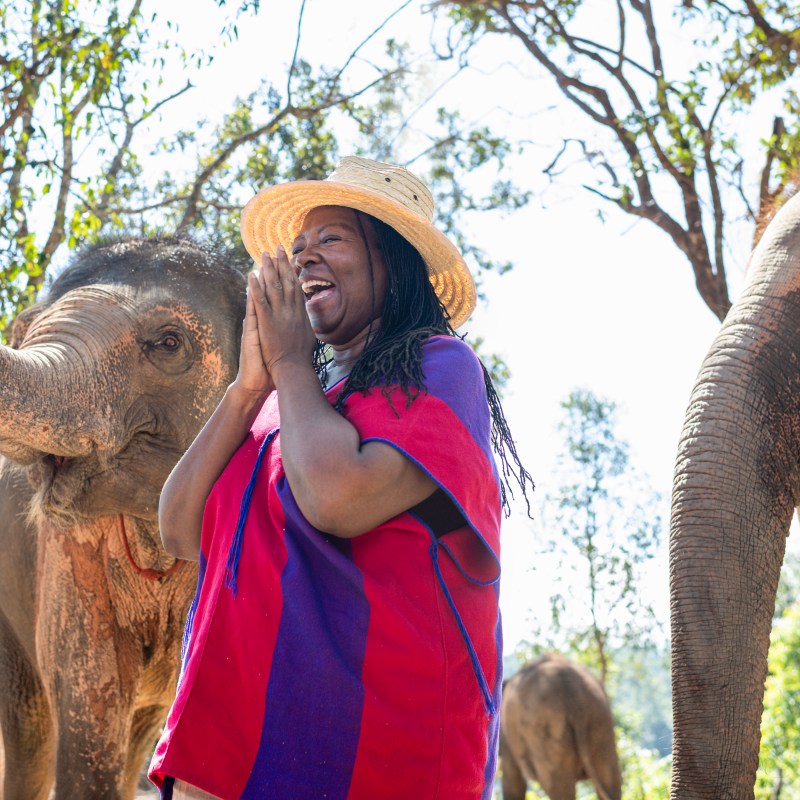
Back when I was studying in college, I spent one semester in Chiang Mai.
Videos by TravelAwaits
This was the early 2010s, when Thailand was slowly evolving from a backpacker hub to a more traditional tourist spot. Discussions on animal welfare were a hot topic at the time. Many visitors who flew in from around the world were eager to interact with elephants and even tigers.
Though Thailand adopted a formal animal welfare standard in 2014, some of its current ‘wildlife’ establishments are far from ethical. For example, Tiger Kingdom in Chiang Mai has a reputation for mistreatment of animals, small cages, and underweight tigers. It’s not a sanctuary by any stretch—it’s a tourist trap.
Worse, Bangkok is home to a location called Safari World, where orangutans are forced to punch one another in fake boxing matches. For context, all three surviving species of orangutans are considered critically endangered and are at an extremely high risk of going extinct in the wild. Tigers aren’t doing much better. Recently, three tiger subspecies have gone extinct, including two that are found in Southeast Asia.
Here’s my point: If you want to go to Thailand to interact with animals, you aren’t alone. And while the country is home to what I consider egregious cases of animal abuse, it’s also home to sanctuaries that protect and foster wildlife, and even restore lost habitats. You’ve got the good with the bad—you just need to know which is which.
Here’s a little palate cleanser in case you’re upset about the orangutan boxing: A clip from an ethical elephant sanctuary. It highlights the dedication and vision of thousands of Thai people who work hard to help animals, and also give tourists the chance to still see what life is like for the country’s protected wildlife.
These are the best places to see animals in Thailand that are ethical. I’ve listed out the preserves near Chiang Mai first.
9 places to see elephants in Thailand that are ethical, plus monkeys and dogs
Elephant Nature Park, Chiang Mai
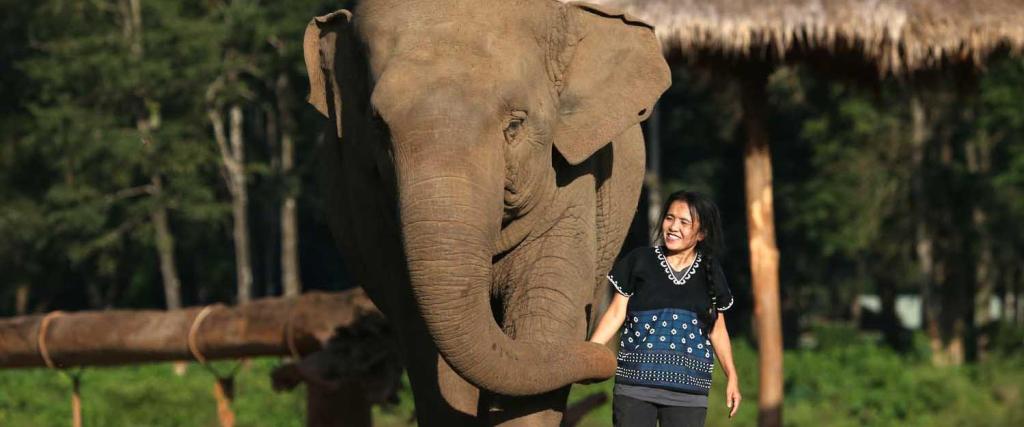
Not just an elephant preserve, but also a protected nature park, ENP is considered one of the most impactful rescue and rehab centers in the country. It was founded by a famous animal activist named Saengduean Chailert, becoming the first in Southeast Asia. Since then, they’ve helped develop nature park standards that other organizations on this list have been modeled after.
Burm and Emily’s Elephant Sanctuary (BEES), Chiang Mai
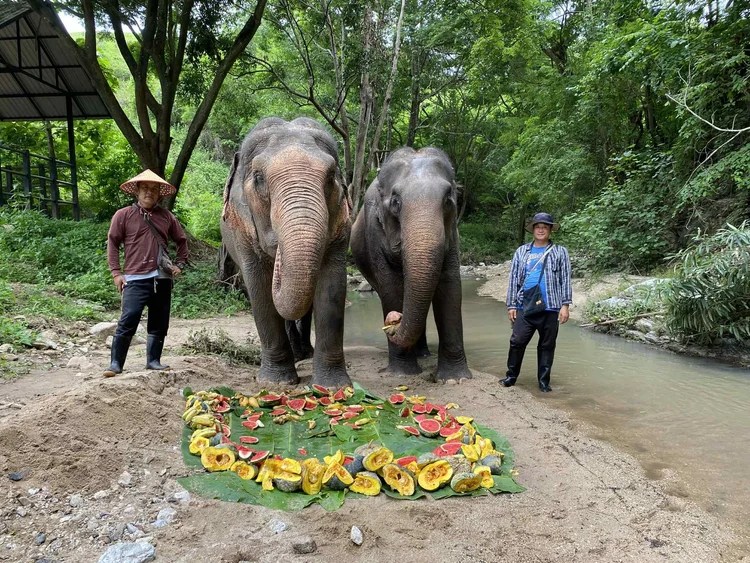
Burm and Emily’s Elephant Sanctuary is one of the newer reserves in Northern Thailand. It was started by a family that has been pioneering ‘hands-off’ elephant tourism. That means you can observe elephants as they roam around their 300-acre sanctuary freely. As a perk, you’ll also get a crash course in rural Thai living, as this sanctuary is part of the small local community.
Elephant Jungle Sanctuary, Chiang Mai
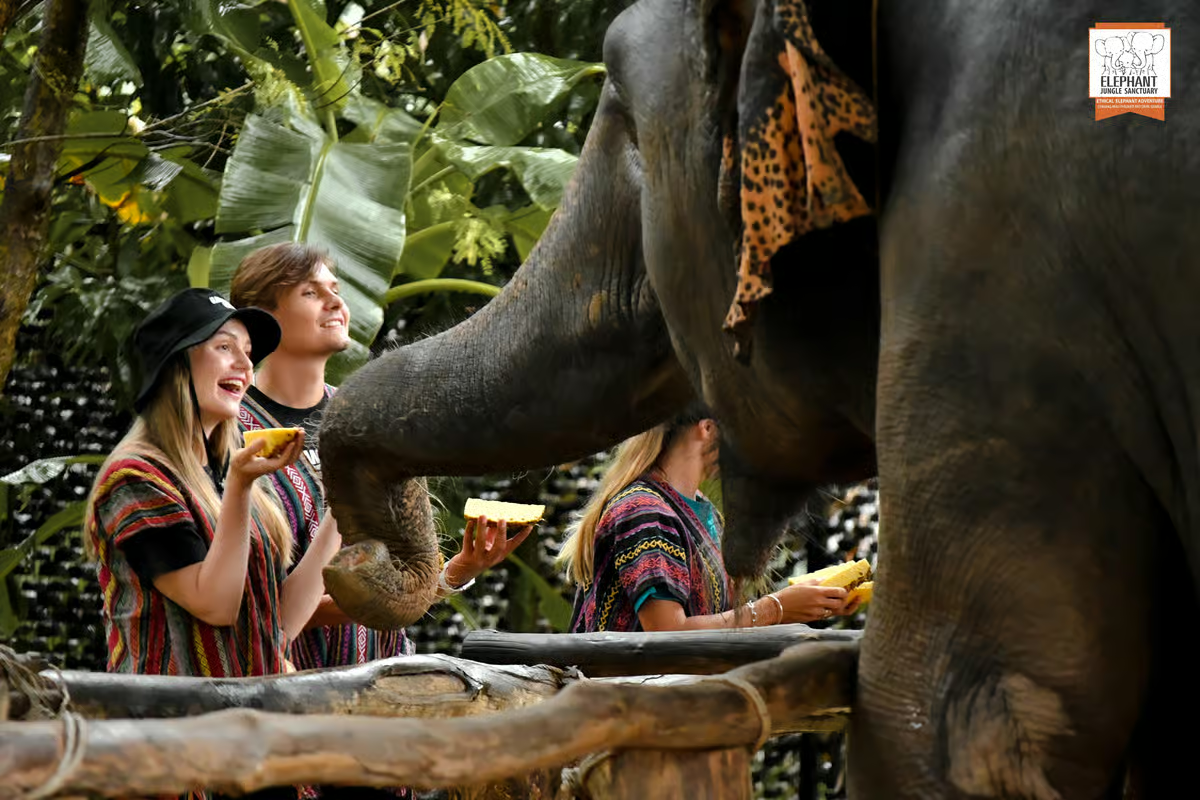
This award-winning sanctuary launched in 2014. Similar to Elephant Nature Park, Elephant Jungle Sanctuary helps steer elephant tourism in a new, ethical direction. Instead of riding elephants, you can feed and bathe with them in a small creek.
When I was in Thailand, we got to visit a sanctuary like this, which allowed us to be close and interact with the elephants. However, some animal welfare groups are still pushing for no-contact meetings between visitors and elephants. I’ll let you decide what feels right for you.
Baan Chang Elephant Park, Chiang Mai
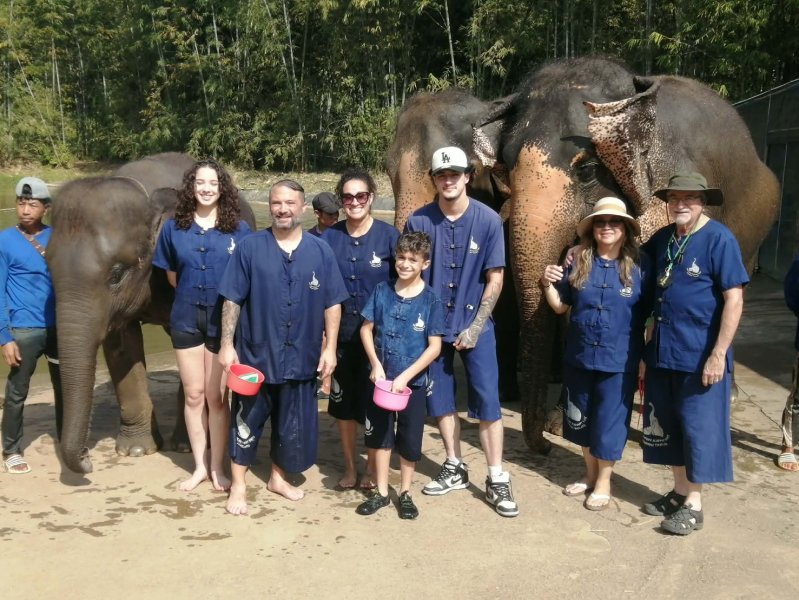
This Thai-owned elephant park doesn’t allow tourists to ride the animals. Instead, you can sign up for a full or half-day experience that includes the chance to bathe with elephants, feed and interact with elephants, and learn how mahouts (that’s Thai for caretaker) look after them at Baan Chang.
Following Giants, Koh Lanta & Krabi
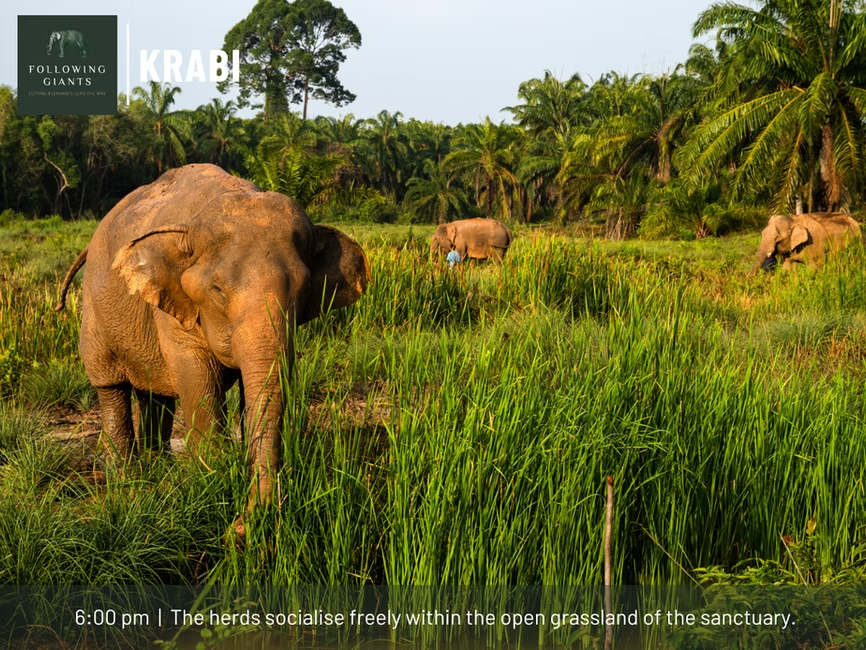
Following Giants has two preserves located in Koh Lanta and Krabi. The organization evolved from an elephant-riding experience to an elephant-friendly experience back in 2017 with the help of World Animal Protection. The elephants you meet at Following Giants were once used as tourist attractions and, for part of the year, to log heavy trees. Now, they wander freely throughout two large preserves.
Phuket Elephant Sanctuary, Phuket
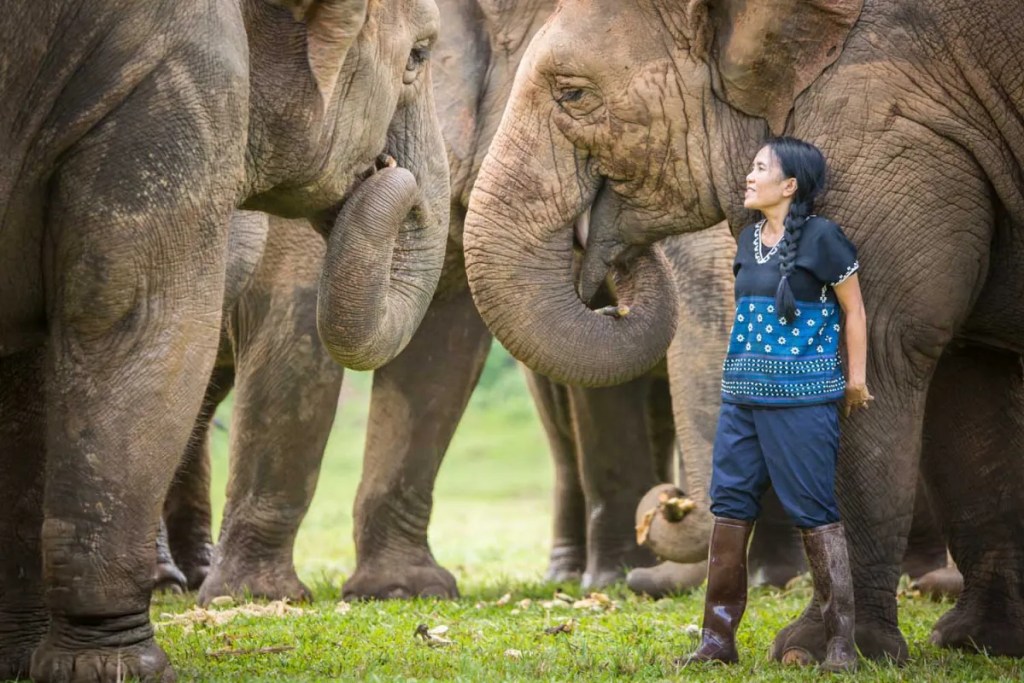
Located on 30 acres of elephant habitat, this sanctuary lets you interact with elephants in a variety of ways. You can take a canopy tour, feed animals during lunch time, and otherwise observe them as they forage and roam freely. Phuket Elephant Sanctuary also has a volunteer program if you’ll be staying in the area for a longer time and want to give back to the elephants.
The Gibbon Rehabilitation Project, Phuket

Located in Phuket’s last stretch of rain forest, this rehab center is one of the oldest in the country. Started back in 1992, the Gibbon Rehabilitation Project seeks to preserve Gibbon habitats while also bolstering their numbers. Gibbons were nearly poached to extinction in the late 20th century. This sanctuary has been working hard to rehab and reintroduce the monkeys into the wild.
Soi Dog Foundation, Phuket
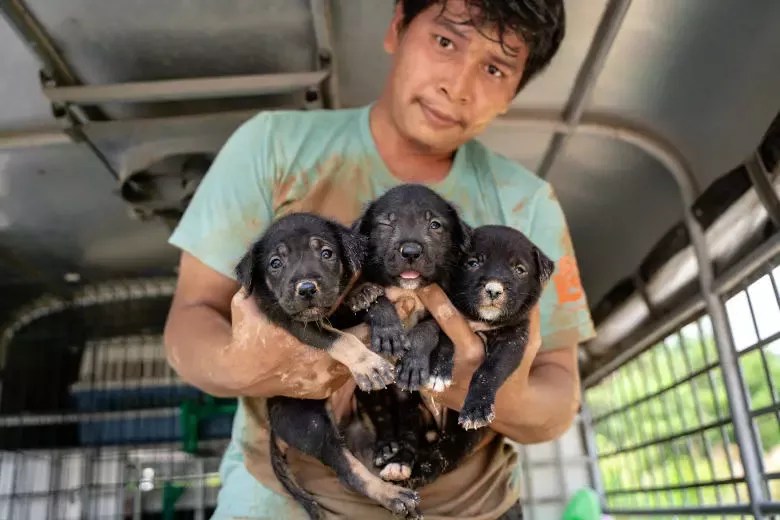
Elephants aren’t the only animals that you can interact with in Thailand. The country is home to many street dogs, called soi dogs. (Soi = street in Thai.) Soi Dog Foundation provides medical services to dogs, along with a sanctuary and rehabilitation center, and an adoption facility. Part of their mission is to re-educate the public about eating dog meat, as well. You can volunteer with dogs and cats during your visit.
Lanta Animal Welfare, Koh Lanta
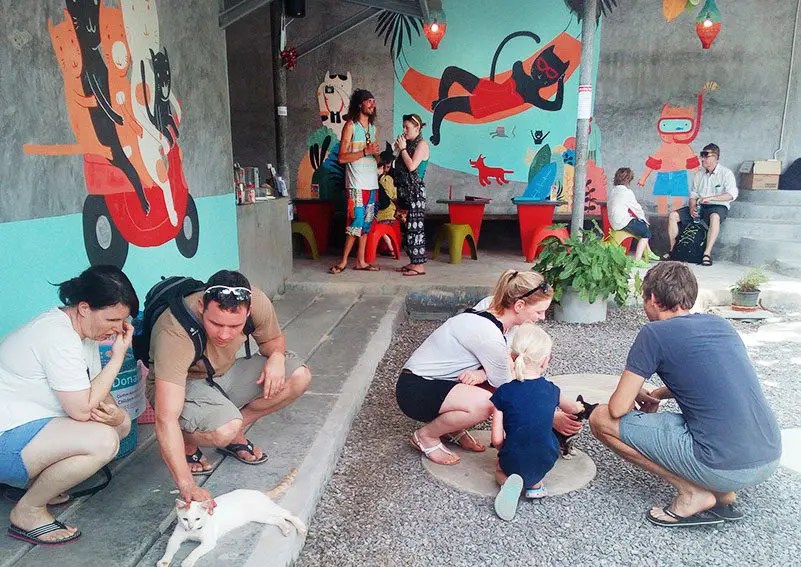
Lanta Animal Welfare takes in rescued cats and dogs in need. They provide funds for medical procedures, along with hosting adoption programs. You can book a trip to the visitor center to learn how the sanctuary runs and learn about some (heartbreaking) tales of survival from local pups. Bring your tissues.
