
Looking back, travel writers might name 2025 as the Year of the Short-Term Rental Crackdown.
Videos by TravelAwaits
I’ve reported on multiple private rental-facing policy changes over the last year. Just yesterday, I outlined the possibility that the Maui County Council could scale back short-term rentals dramatically, nixing thousands of properties by 2029. In the article, I also mention other attempts to curb illegal Airbnb rentals in places like New York City and Barcelona.
In short, city councils around the world are taking stock of how short-term rentals are impacting local life.
And one way that Milan, Italy, is tackling the problem is by eliminating key lock boxes in public places. It’s not the first city to launch the ban—and it certainly won’t be the last.
Milan bans lock boxes in public places
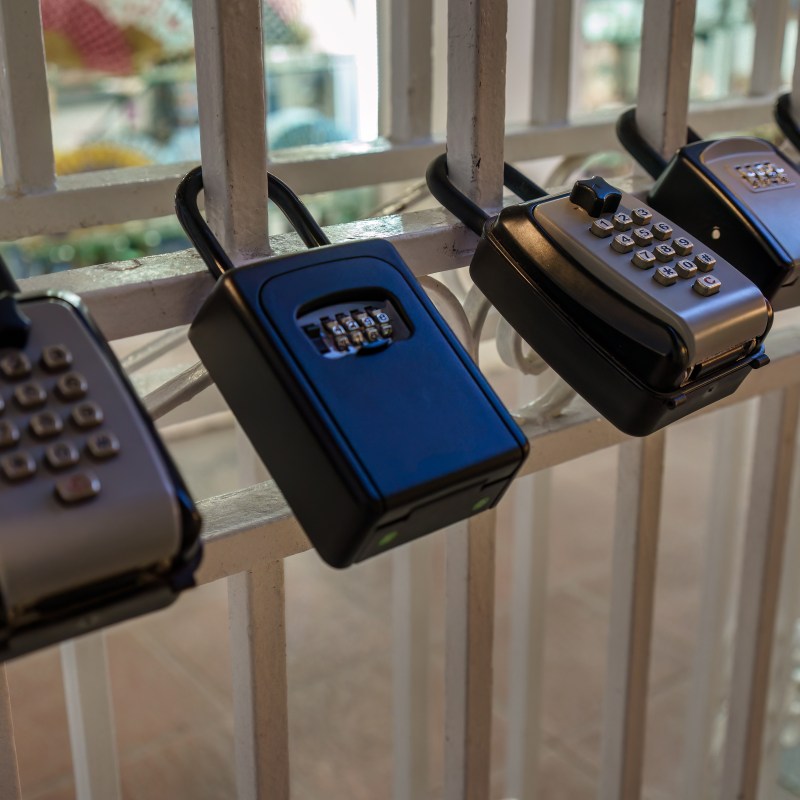
If you’ve used Airbnb, VRBO, or Booking to reserve a private rental, you’ve probably used a lock box. These are secure locks that hosts can leave on handrails, fences, and gates. You show up with a code to put into the box, then unlock it to access the property’s keys. In other words, it’s a key component of the no-contact check-in.
But, starting in January 2026, key boxes will no longer be allowed to be fixed to structures on public land. That includes railings on stoops and porches, to use American parlance. Those who break the rule will face fines of €100-400.
It’s one of the weirder bans that I’ve seen. While cities can and should combat the negative side effects of overtourism, key boxes aren’t necessarily the main culprit.
However, it looks like savvy criminals in cities like Milan have learned that key boxes, which look innocuous, can be used for illegal activities. According to the city council’s resolution, key boxes have been involved in drug-dealing cases.
Similar bans have already been rolled out in Florence, Bologna, Venice, and Rome. In some cases, citizens have also been involved in their removal and vandalization as part of grassroots protests against overtourism and illegal activity.
