
Working in conjunction with Israel, the United States launched attacks in Iran early Saturday morning.
Videos by TravelAwaits
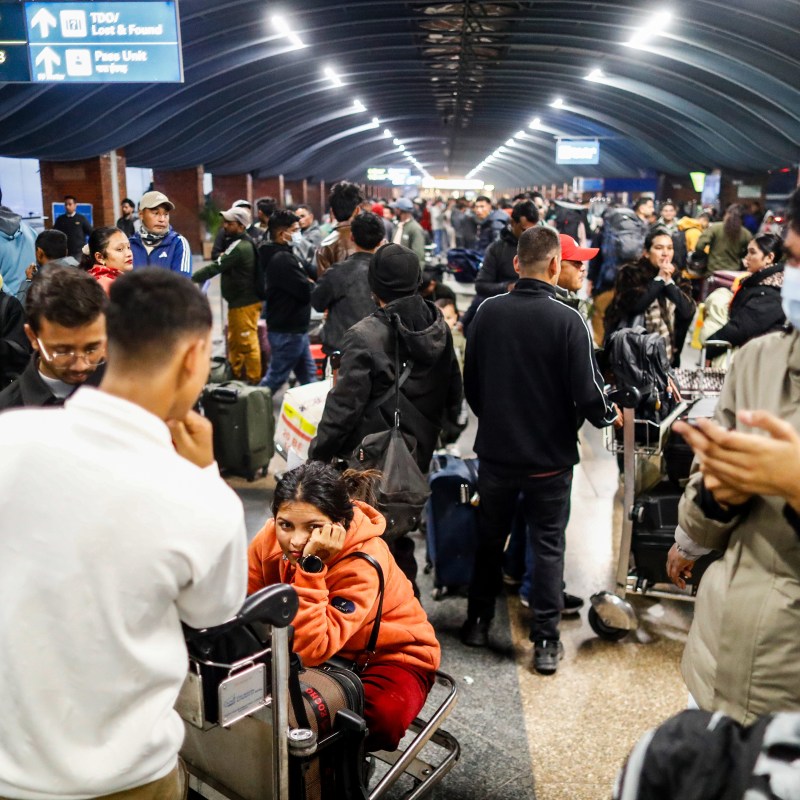
Since then, air travel has been disrupted around the world at levels not seen since the COVID-19 pandemic. As of March 2, 2026, flights to and from Dubai, the world’s busiest international airport, have largely been canceled. As of March 3, 2026, a select number of limited flights have left—but only those on freighter or repatriation missions.
All other passengers have been told to avoid the airport unless specifically told otherwise by their airline, per the Dubai International Airport website.
In short, the global disruption could have huge impacts on your upcoming travel plans. If you were going to Dubai or another Middle Eastern destination, travel companies and travel insurance groups are recommending that you cancel your plans. Many airlines and hotels are also offering free rescheduling.
Here’s what you need to know about airspace in the Middle East as of March 3, 2026. (If you’re looking for advice about what to do in Mexico, check out these safety tips from a former Secret Service officer.)
Where is airspace shut down in the Middle East as of March 3?
As Iran launches retaliatory strikes across the Middle East, including in countries like the UAE, Kuwait, Bahrain, Qatar, and Saudi Arabia, airspace throughout the area remains shut down.
The same occurred throughout the Caribbean for a much shorter period of time as the US conducted military operations in Venezuela early in 2026, which had similar ripple effects for air travel. This time, however, the military conflict could last months—meaning air space might not open up reliably.
Major airlines like Emirates and Etihad are some of the most active commercial airlines in the world. Dubai, additionally, serves as a major connection hub for travelers moving between Europe, the Americas, and Asia. In other words, your flight from Miami to Bangkok with a layover in Dubai might be rerouted, canceled, or rescheduled in the coming weeks.
For example, in a ripple effect, London’s Heathrow International Airport had to cancel a total of 4% of its inbound and outbound flights over the weekend. According to FlightAware, even more cancellations hit Mumbai, India’s largest hub on its west coast.
Due to stray strikes in places like Cyprus, even more questions remain related to air travel to and from the Middle East. Remember: the US entered this conflict alongside Israel, and Israel’s borders are much closer to major European destinations like Greece and Turkey.
In short, should Israel come under further threat, airspace disruptions in the Middle East could quickly impact areas in the Mediterranean, as well. As of March 3, 2026, Israeli airspace also remains down.
