
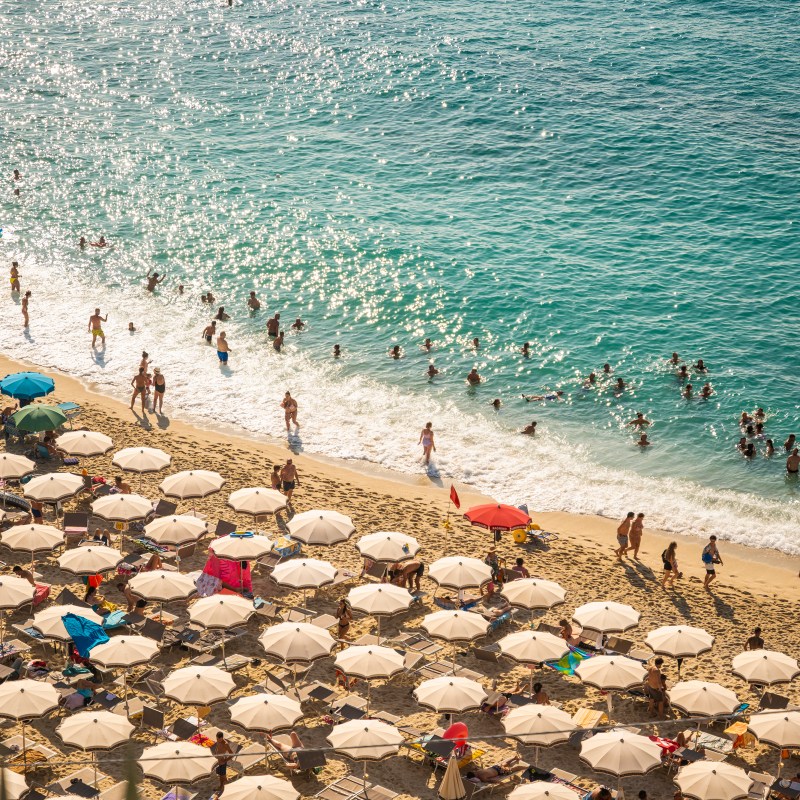
The planet’s saltwater oceans and seas span around 140 million square miles. Of that huge sum, the Mediterranean Sea covers around 960,000 square miles.
Videos by TravelAwaits
Viewed in terms of square miles, the Mediterranean is just a thimble of saltwater. Despite this, it’s played a huge role in our shared history. From the rise of Ancient Egypt around 3150 BCE to the fall of the Roman Empire around 475 CE to the arrival of the Black Plague in Europe around 1350 CE, the Mediterranean has been a constant.
Unsurprisingly, it’s gone by quite a few names.
Home to over 10,000 islands and between 12 and 15 distinct seas, depending on who you ask, it’s a complex body of water. And while you’ve probably heard of the Adriatic and the Aegean, how many other seas can you name? And do you know what makes them special?
If you want to feel a little more educated on your next visit to the region, use this Mediterranean sea map to learn about its most famous and beautiful spots.
Mediterranean Sea map: the Adriatic, Aegean, Balearic, & beyond
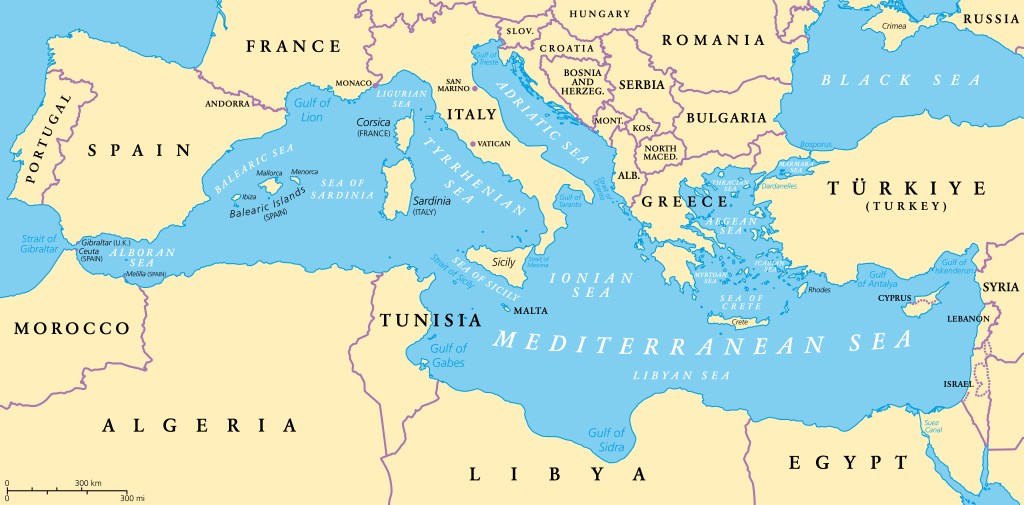
The Mediterranean Sea has 12 major ‘marginal seas’, according to scientists. Again, some regions also subdivide those areas into ‘sub-basins’. For the purposes of this article, I’m sticking to the most popular and reachable marginal seas of the Mediterranean that you’d see in Spain, Italy, Greece, or Turkey.
Use the map above to reference the seas listed below, which I’m covering in order from west to east.
Alboran Sea
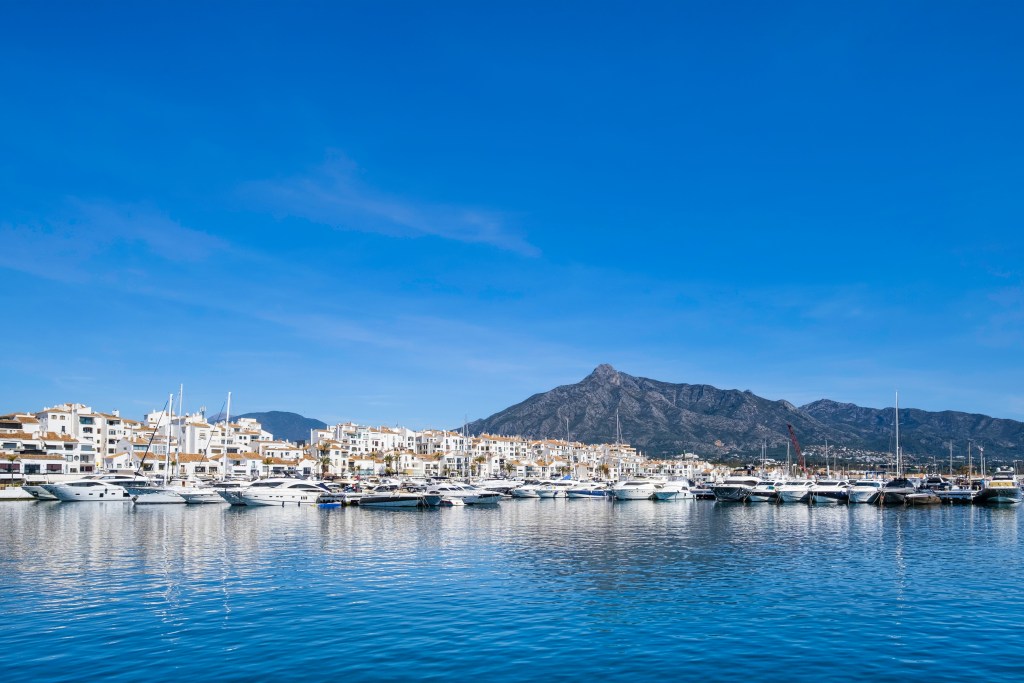
- Places where you’ll see the Alboran Sea: Southern Spain, Northern Morocco, & Gibraltar
The Alboran Sea is the westernmost marginal sea in the Mediterranean. It includes the Strait of Gibraltar, which is the narrow channel that connects the Mediterranean with the Atlantic Ocean. If you’ve swum at the beach in Malaga or Marbella in Spain, you’ve taken a dip in the Alboran Sea.
Balearic Sea
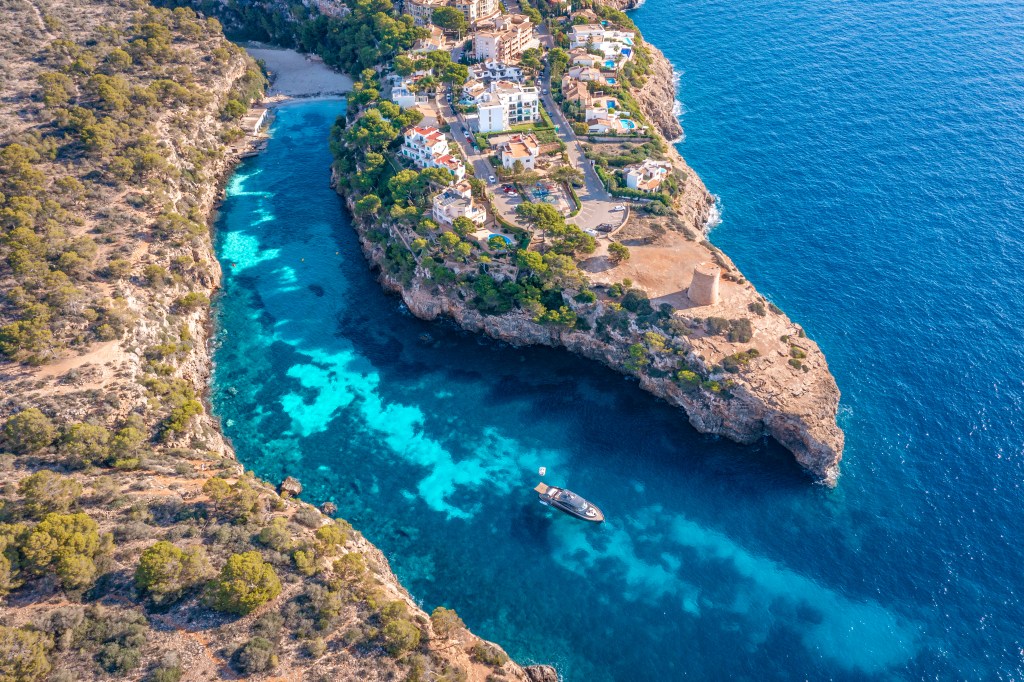
- Places where you’ll see the Balearic Sea: East coast of Spain, Balearic Islands
Sometimes called the Iberian Sea, the Balearic stretches between Spain’s eastern coast and its westernmost islands. Those westernmost islands include Ibiza, Mallorca, Menorca, and Formentera—and they’re also known as the Balearic Islands. If you’ve swum in the ocean in Valencia or Barcelona, you’ve swum in the Balearic.
Ligurian Sea
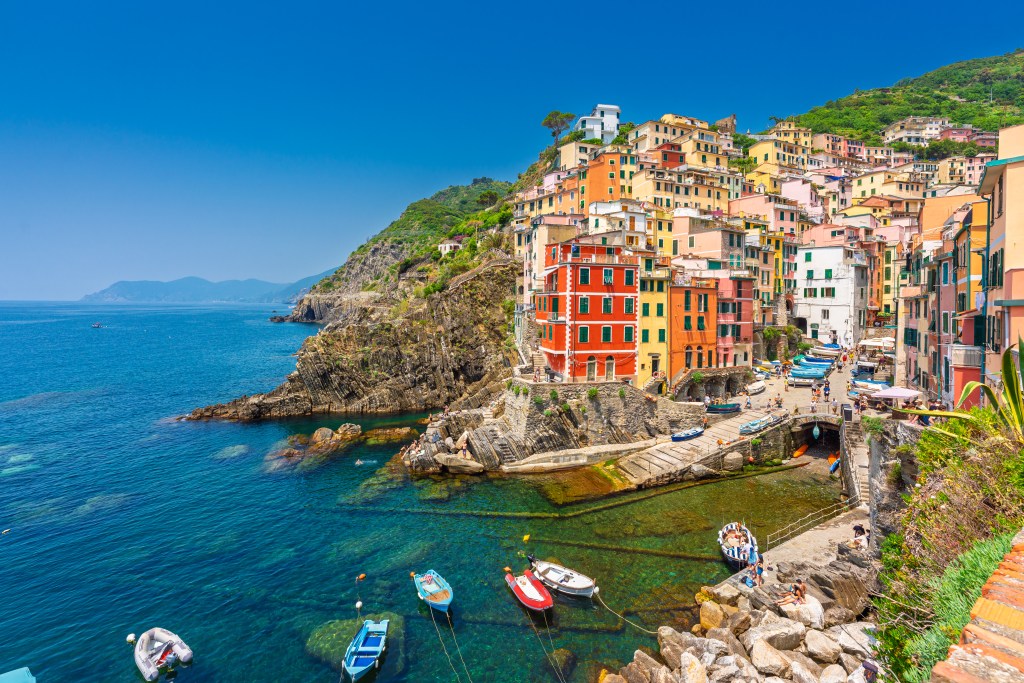
- Places where you’ll see the Ligurian Sea: Italian Riviera, Corsica
The Ligurian Sea hugs the Italian Riviera and parts of Corsica. (The French Riviera is located on the Mediterranean Sea proper.) It’s known for its sea routes that connect coastal cities with the main hub of Genoa, but you might know it better as the stunning sea that surrounds Cinque Terre.
Tyrrhenian Sea
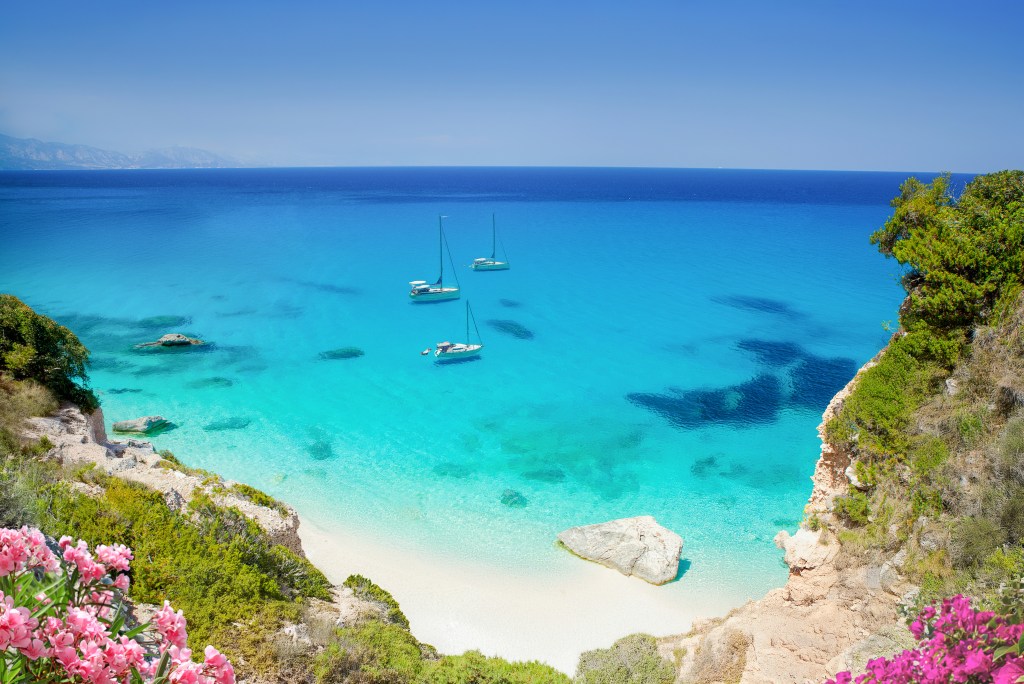
- Places where you’ll see the Tyrrhenian Sea: Sardinia, Sicily, the South and West coast of Italy
The Tyrrhenian Sea covers the triangle-shaped area between Sardinia, Sicily, and Italy’s west coast. I’m a little partial to my annual getaways in Sicily, and I think the Tyrrhenian Sea is partly to blame. The shades of blue are deep enough to look indigo at some points, then pale enough to look like cotton candy at others. The Tyrrhenian Sea also rims the Coast of the Gods in Southern Italy.
Ionian Sea
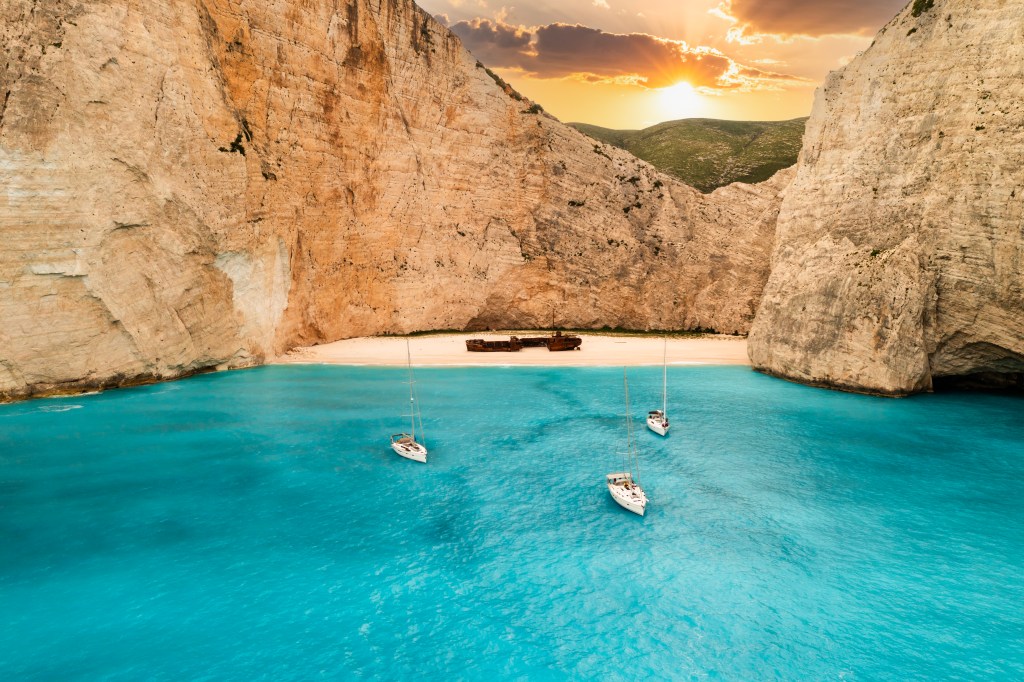
- Places where you’ll see the Ionian Sea: ‘Boot’ of Italy, Albania, Greece
The Ionian Sea is one of the most well-known in the Mediterranean thanks to its role in Ancient Greek mythology and history. Today, it’s home to dozens of Greek islands, called the Ionian Islands, such as Corfu, Zakynthos, and Kefalonia (Cephalonia). It’s got crystal-clear waters and—surprise alert—is one of the world’s most active seismic areas.
Adriatic Sea
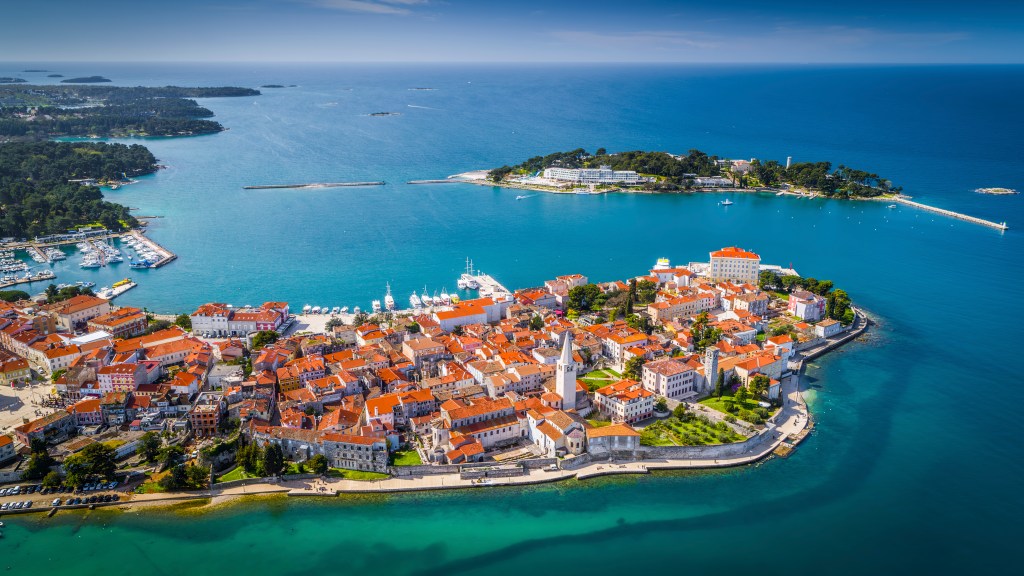
- Places where you’ll see the Adriatic Sea: East coast of Italy, Slovenia, Croatia, Montenegro, Albania, and Bosnia and Herzegovina
Squeezed between Italy’s east coast and the Balkans, the Adriatic is a close second to the Tyrrhenian in terms of raw beauty. (In my humble opinion, of course.) The pure blue colors will pull you in. The coastal areas are also a bit more forested, adding a dash of emerald green to the mix. It’s also a treat to swim in—the Adriatic is the northernmost part of the Mediterranean and receives tons of freshwater from European rivers, making it slightly less salty than other parts of the ocean.
Aegean Sea
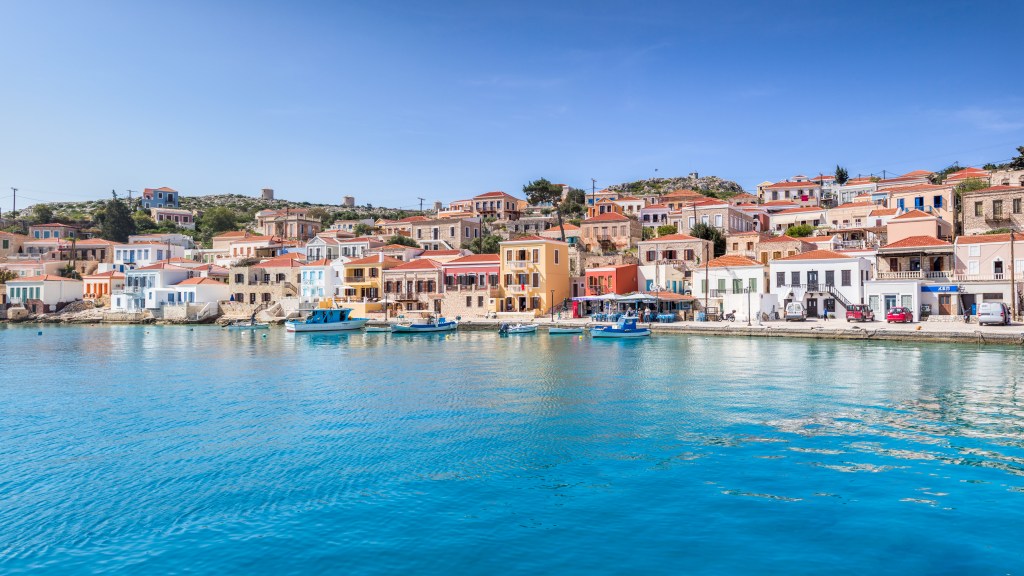
- Places where you’ll see the Aegean Sea: Greece, Turkey
Located between Greece and Turkey, and laden with hundreds of islands, the Aegean is just as historically relevant as the Ionian Sea. It flows up toward where Turkey meets the Black Sea, which is another subset of the Mediterranean called the Sea of Marmara. In the south, it touches on the Sea of Crete, which surrounds the island of Crete.
