
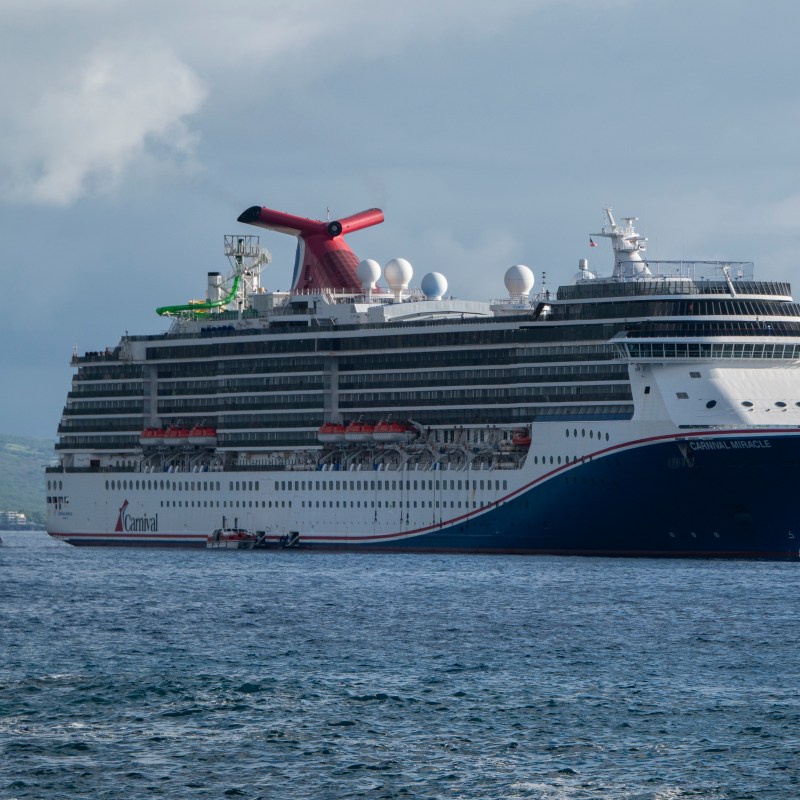
In summer, Hawaiian authorities announced plans to levy a ‘green’ tourism tax on eligible hospitality groups.
Videos by TravelAwaits
The goal is to funnel the tax revenue toward ecological initiatives that promote, preserve, and expand the state’s natural wonders. The Green Tax, as it’s been dubbed, was signed into law by Governor Josh Green and will take effect immediately on January 1, 2026.
It will up the nightly tourism tax (called the Transient Accommodations Tax) to 11% per night. It’s being considered in other states that have sustainability-minded initiatives and even subsidies in place, including California and Texas. Hawaii has even introduced legislation that would limit tourist rentals in certain areas, like Maui.
However, it was unclear whether the original Green Tax would apply to cruise passengers. The original TAT fees apply to accommodations on land, but what about the water? Recently, a judge ruled that passengers will also be footing the Green Tax bill.
What should cruise passengers passing through Hawaii know?
After Governor Green passed the Green Tax earlier this year, cruise officials attempted to appeal the decision. However, a judge denied the request, meaning that cruise companies will also pay 11% tax on gross fares paid by passengers.
In addition to cruise officials, represented by Cruise Lines International Association, some other hospitality groups on the island pushed back. Companies that provide supplies for cruises don’t want the hiked tax, along with tour groups that rely on bookings from cruise ship passengers.
Even the US federal government has intervened—a Department of Justice attorney filed a motion to appeal the ruling again, which the presiding judge declined. For now, Hawaii’s Green Tax applies to cruises and will likely lead to spike fares for passengers, but that could change depending on future rulings.