
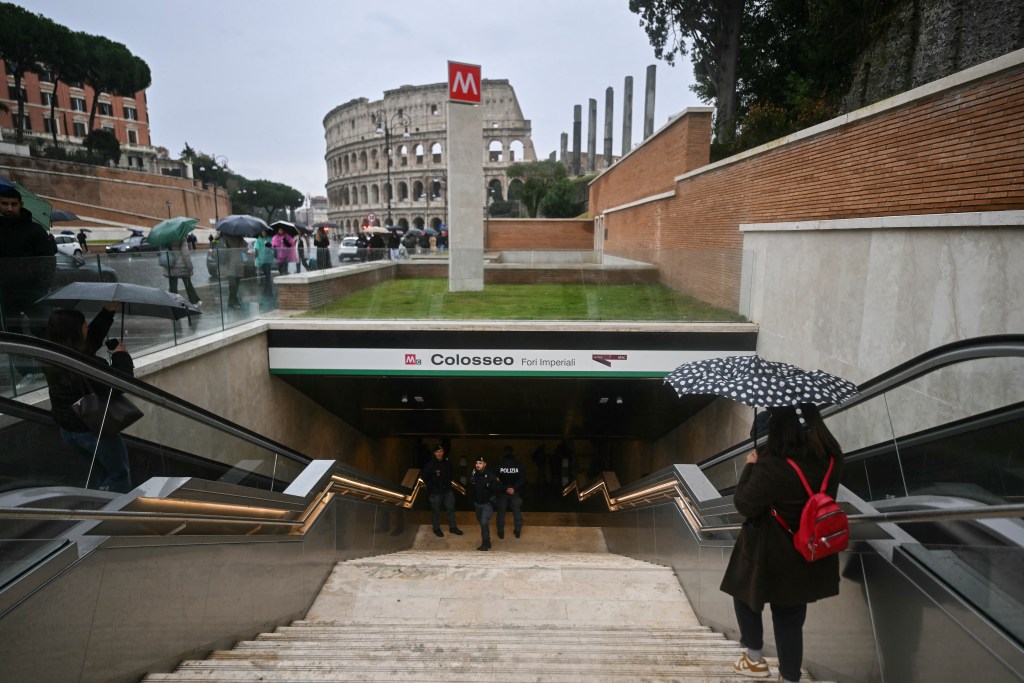
If you’re an Italophile, you’ve likely visited Rome a handful of times. And if you’ve visited Rome a handful I’m times, I’m sure you’ve heard (time and again) about its controversial Colosseum metro stop on Line C.
Videos by TravelAwaits
If not, let me catch you up: Since the 1990s, Italian authorities have struggled to engineer a safe metro station near the Colosseum. Though the area desperately needs a metro stop to improve both commuter and tourist traffic, it’s been a bit of a doozy due to the layers and layers of history.
I mean that literally. Civil engineers and archaeologists alike have had to carefully clear the way for the subterranean metro line. It’s tough to do without compromising the integrity of the Colosseum, or without losing track of precious, ancient artefacts. In fact, some areas were so delicate that excavators worked by hand.
During the excavations to build the Colosseum metro station (called Colosseo-Fori Imperiali station), 28 ancient wells were discovered. And that’s just talking wells.
Meet Rome’s Colosseum metro stop
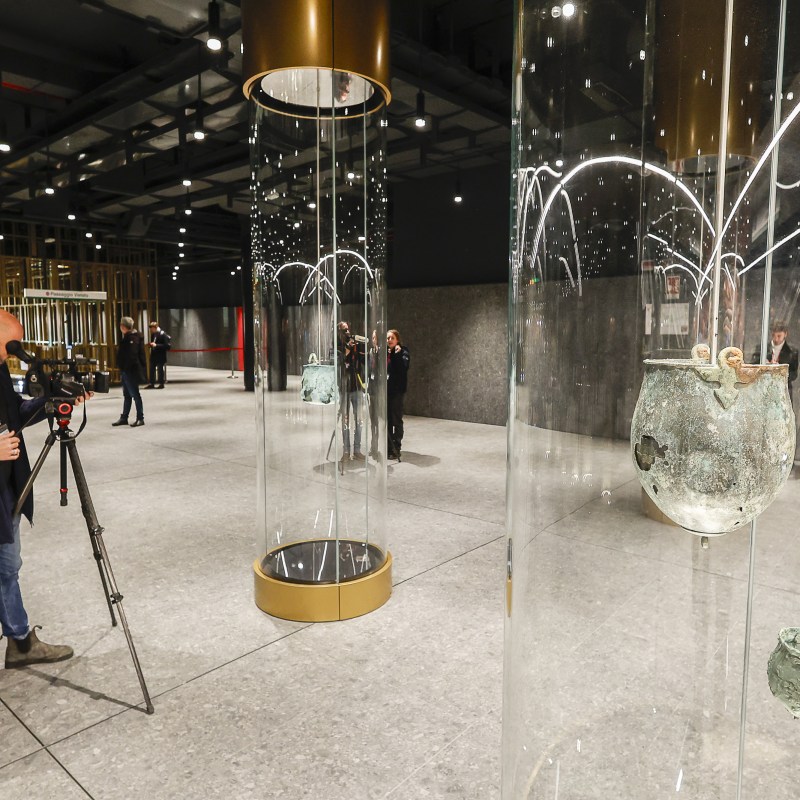
Aside from wells, excavations on the Colosseum metro stop and the nearby Porta Metronia stop revealed finds like a military barracks, along with a home with frescoes and mosaics. You can actually see many of the finds, which are on display at the Colosseo and Metronia stops.
The Colosseo station includes 350 precious objects, ranging from lamps to statues. Further in the back of the museum, you can check out the bathhouse of the home that was discovered and excavated. Yes, the museum is free—all you have to do is cover the cost of the metro ticket, which is just under $2.
While the archaeological finds are part of the reason the metro station took almost three decades to complete, Mayor of Rome Roberto Gualtier clarifies, “These archaeological digs and finds, are not an obstacle…” Instead, they’re part of the city’s cultural heritage and identity.
